“Thermonuclear fusion already works: it is in the sky, it is the Sun”
Altitude record with SolarStratos, tour of Lake Titicaca aboard PlanetSolar II: in 2025, Raphaël Domjan once again pushed the boundaries of solar energy. Interview
Focus on Swiss energy and environmental initiatives and policies.
Because of its high efficiency and sustainability, hydrogen could play an important role in the energy transition. Aside from its industrial production, it exists naturally in the form of deposits that are still largely untapped. Explainer.
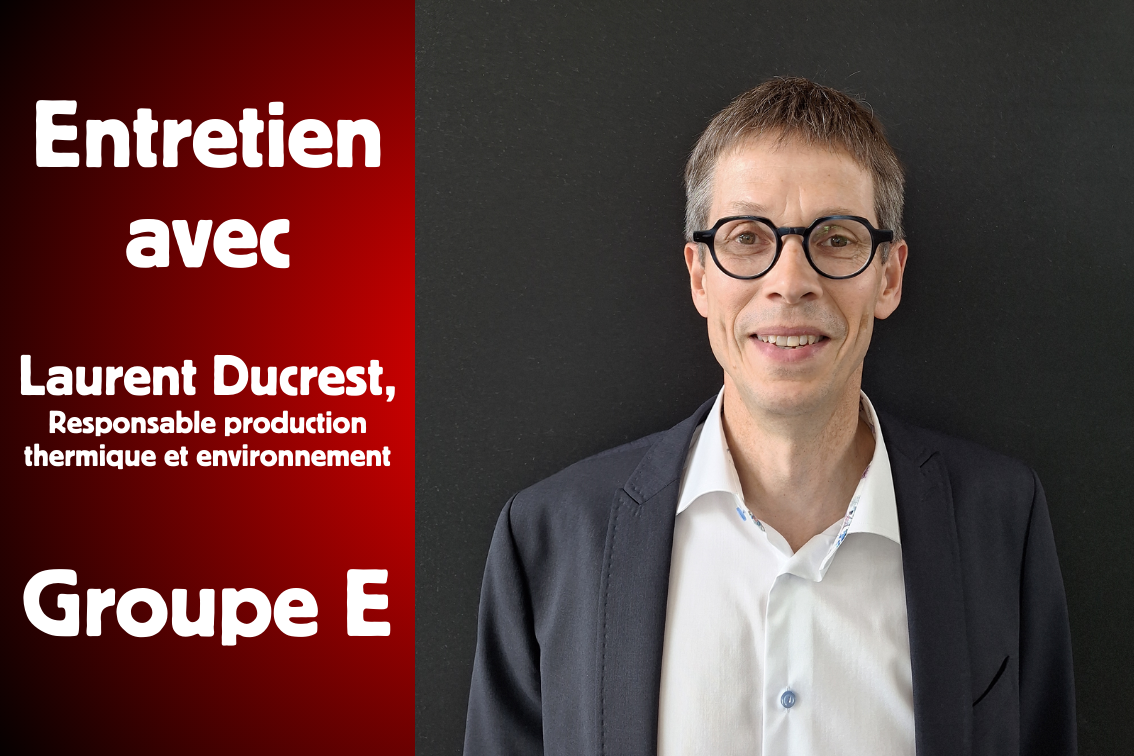
<p>Interview with Laurent Ducrest, Head of Thermal Production and Environment at Groupe E.</p>
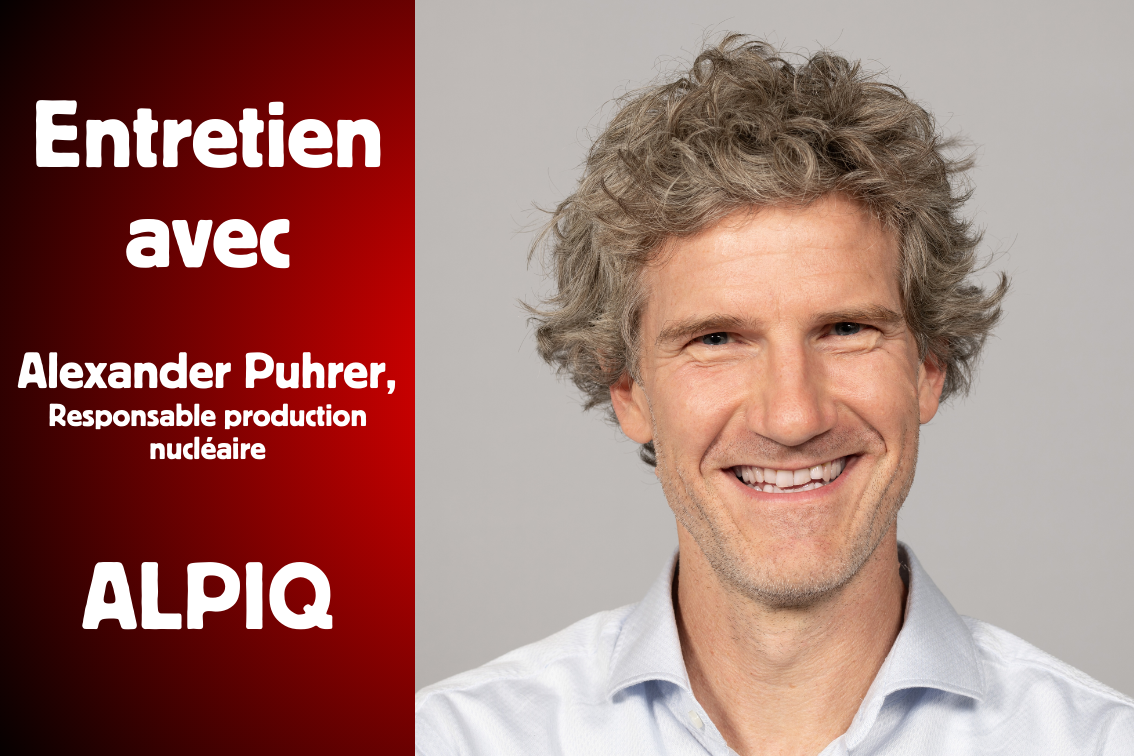
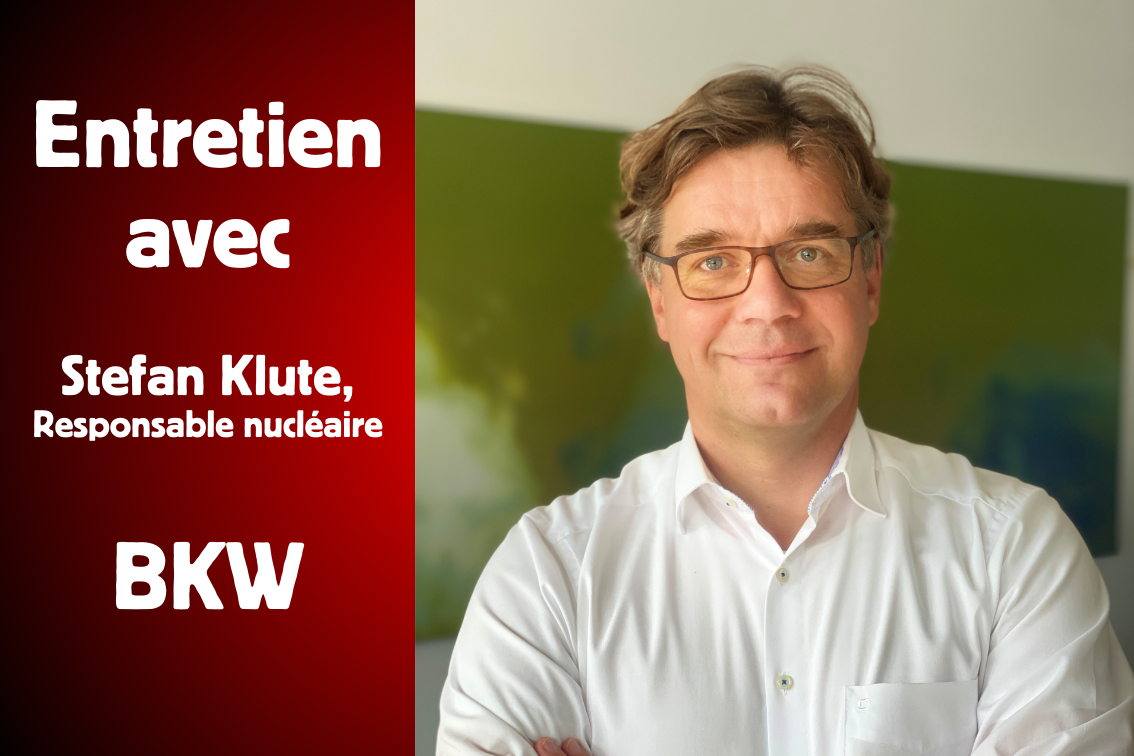
Interview with Stefan Klute, head of nuclear at BKW.
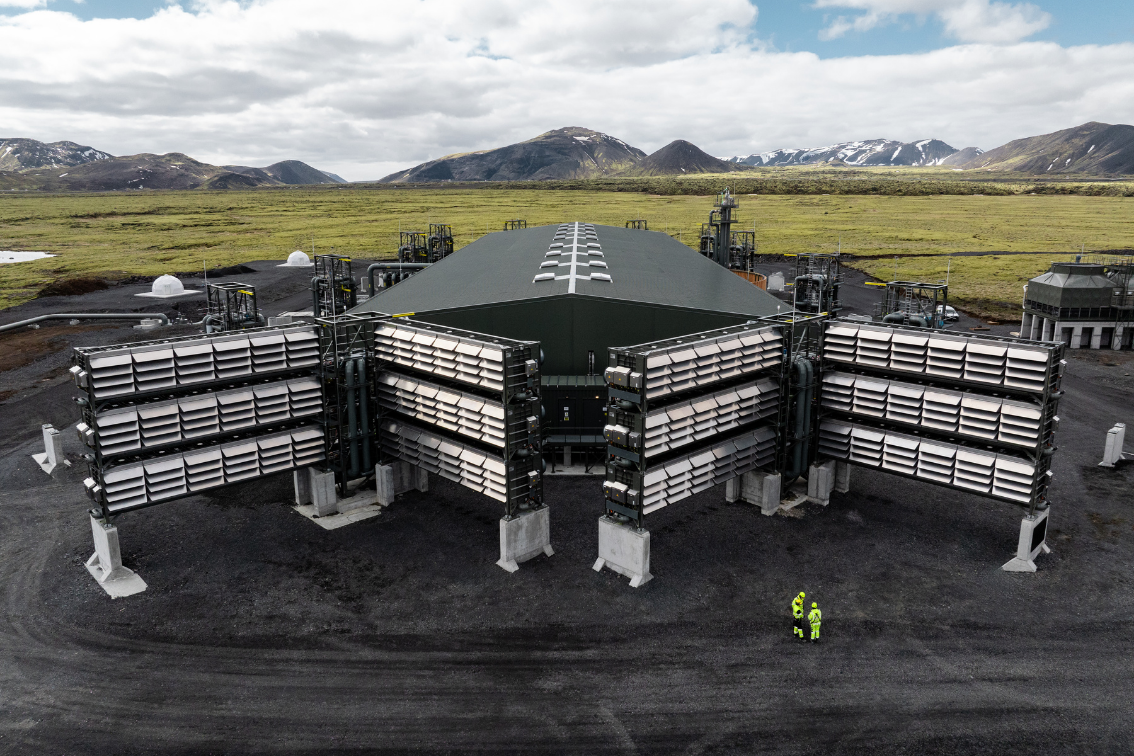
A recent study by the Swiss Federal Institute of Technology in Zurich has raised doubts about the feasibility of CO₂ storage in Switzerland. If in situ mineralization proves impossible, the solution lies in deeper reservoirs, within saline aquifers.
Instead of considering cuts to research funding and support for start-ups, the Confederation should invest more and accelerate the country's transition to renewable energies.
"For hydrogen to reach competitive cost levels, support policies similar to those that have benefited solar energy are needed," says Jean-Luc Favre, president of the Nomads Foundation.
As Switzerland's energy challenges mount, many projects are met with opposition. "This situation should prompt us to rethink the balance between energy development and the preservation of the territory," says Michael Frank, director of the AES.
At its meeting on 12 February 2025, the Federal Council finally approved its proposed amendment to the method of calculating the WACC (Weighted Average Cost of Capital, or "coût moyen pondéré du capital" in French).
"Since the early 1970s, the human species, very unevenly, has begun to consume each year more resources than it replaces (or recycles)," recalls René Longet, author of "Planète Etat d’urgence: les réponses de la durabilité".
With the proliferation of digital services, such as cloud computing and artificial intelligence, digital infrastructures and platforms generate very significant energy consumption. An analysis in "True or False" format.
"To reach carbon neutrality by 2050, it would be necessary to add each year the equivalent of the Grande-Dixence's production, namely 2.3 billion kilowatt-hours," calculates Dominique Rochat, Energy & Infrastructure Project Manager at Economiesuisse.
In its report published in mid-December 2024, the Confederation attempted to anticipate the future of this energy vector. A difficult exercise, given the glaring lack of a market in Switzerland.