"We no longer have any choice but to adapt to climate change"
Interview with Vincent Kaufmann, director of the Ethos Foundation.
Exclusive pieces by our journalists.
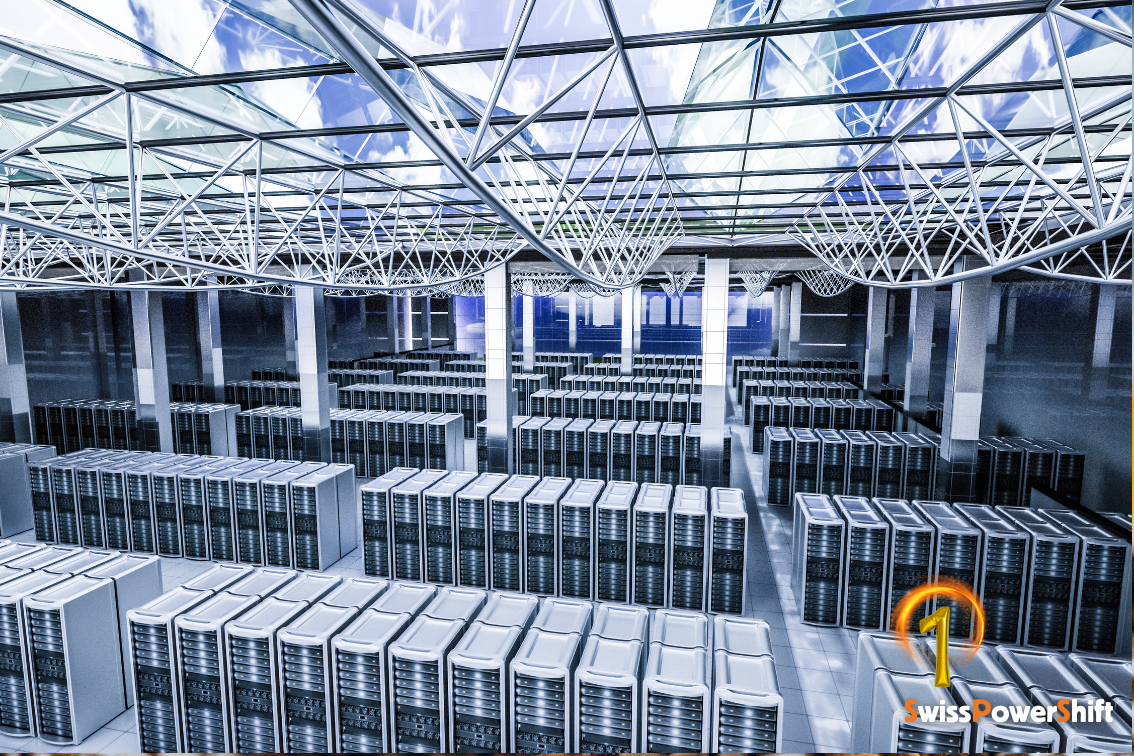
A recent Harvard study highlights close links between the rise of data centers and clean energy. Behind the algorithms lies a purely material reality: a demand for electricity that is skyrocketing and disrupting grids and the energy transition.
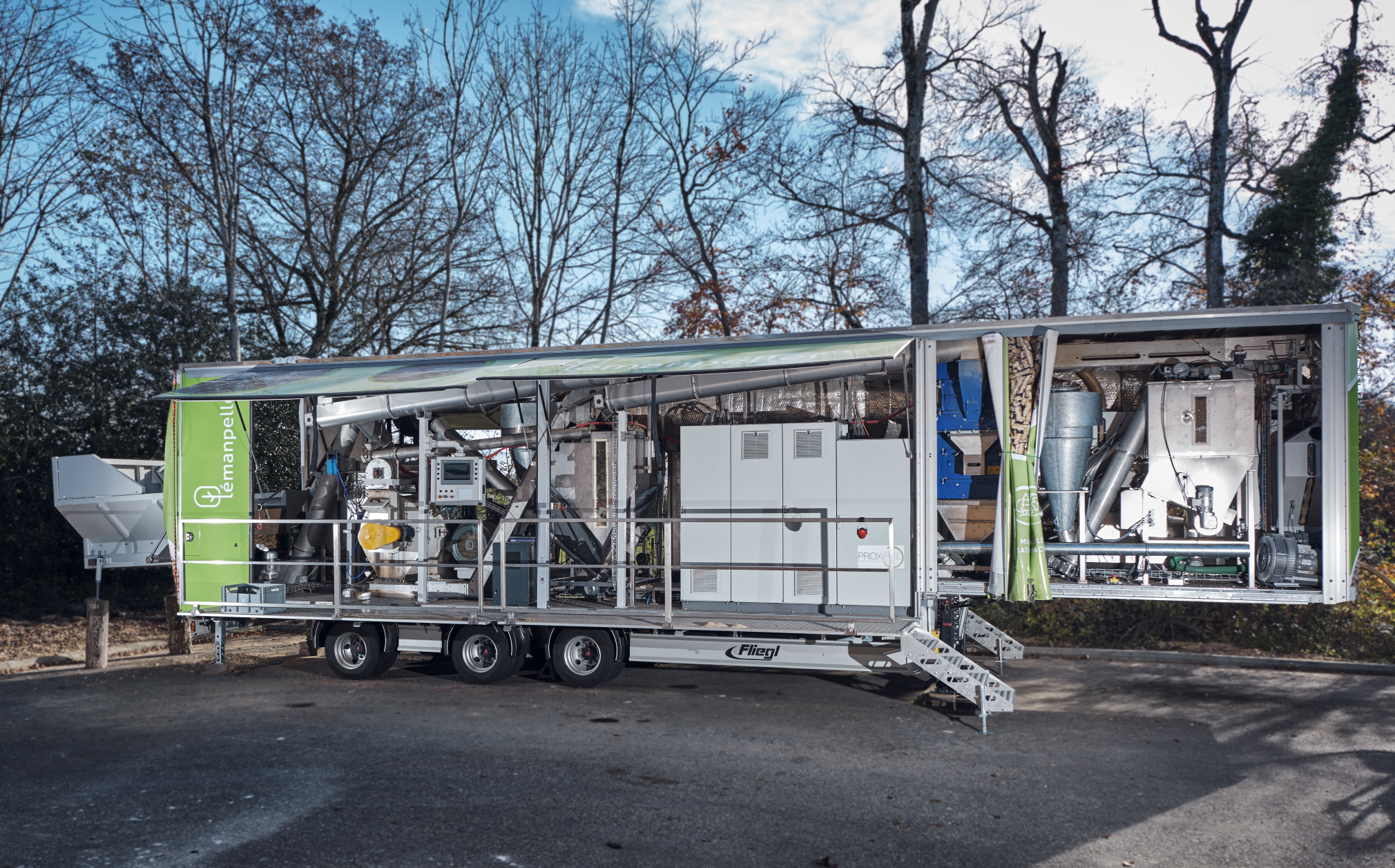
After more than ten years devoted to the design and industrialization of its technology, the company is now entering a new phase: the commercialization of its very first factories installed on a truck.
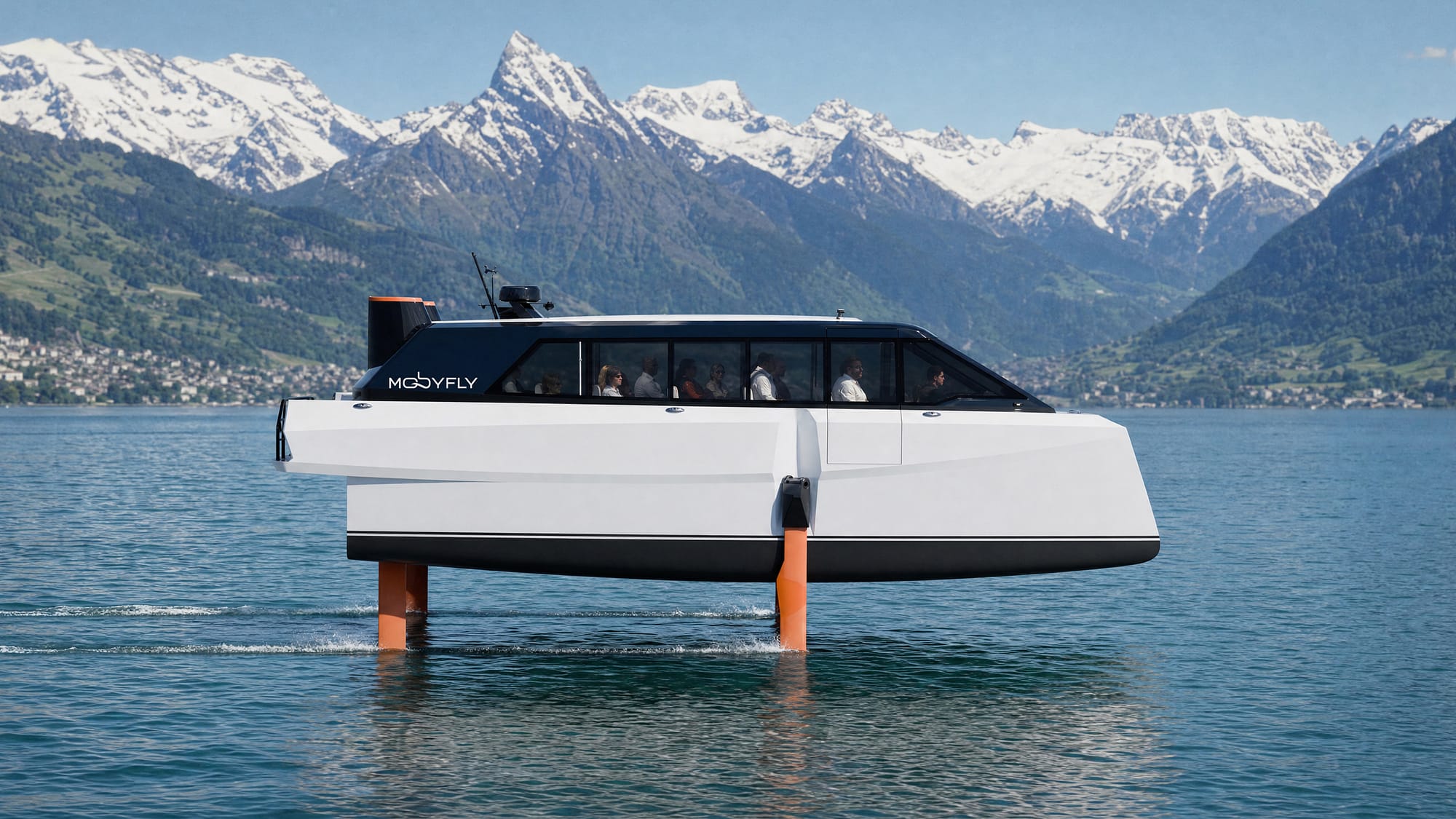
Since 2020, the Swiss start-up has pursued a clear ambition: to transform passenger transport on the water through a new generation of foils. Behind this technology lies an enticing promise of fast, quiet, comfortable, and electric vessels.
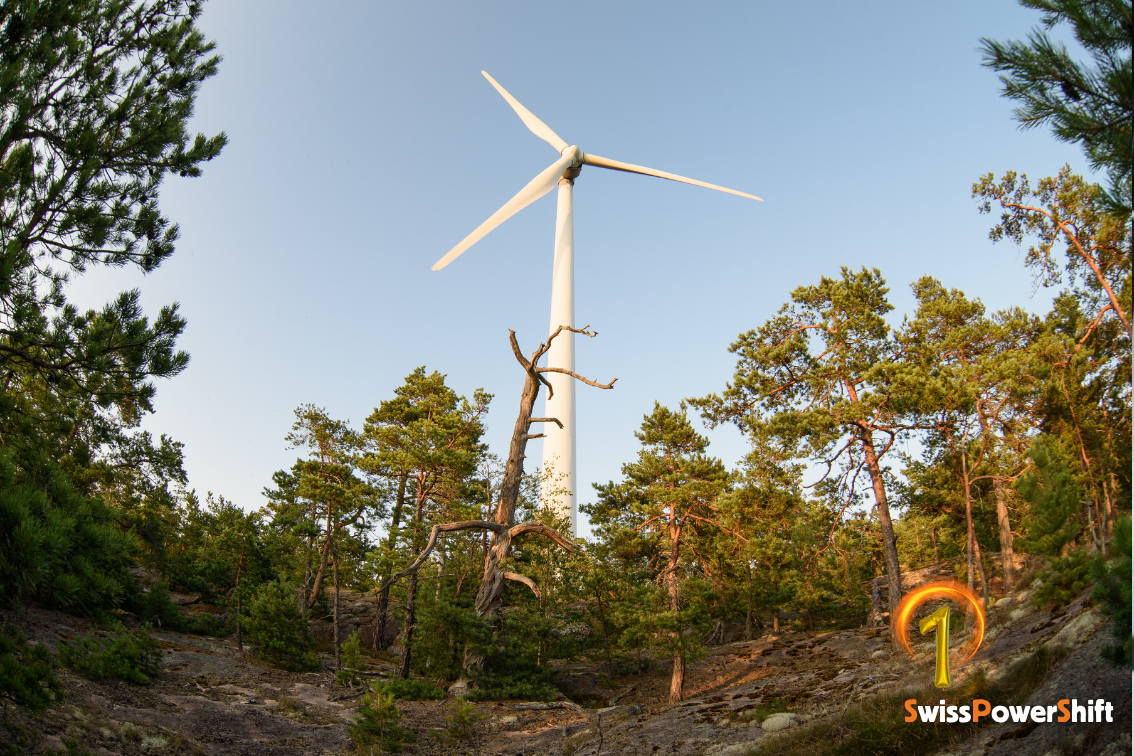
An Environmental Alliance (WWF, Greenpeace, Birdlife, etc) rejects the two proposals put forward by Paysage Libre. Paysage Libre describes this as a “political maneuver” linked to the current debates on nuclear energy.

With the growing surpluses from photovoltaics — particularly during the summer — some European consumers are now encouraged, even paid, to increase their electricity consumption at certain times of the day. But what about Switzerland?
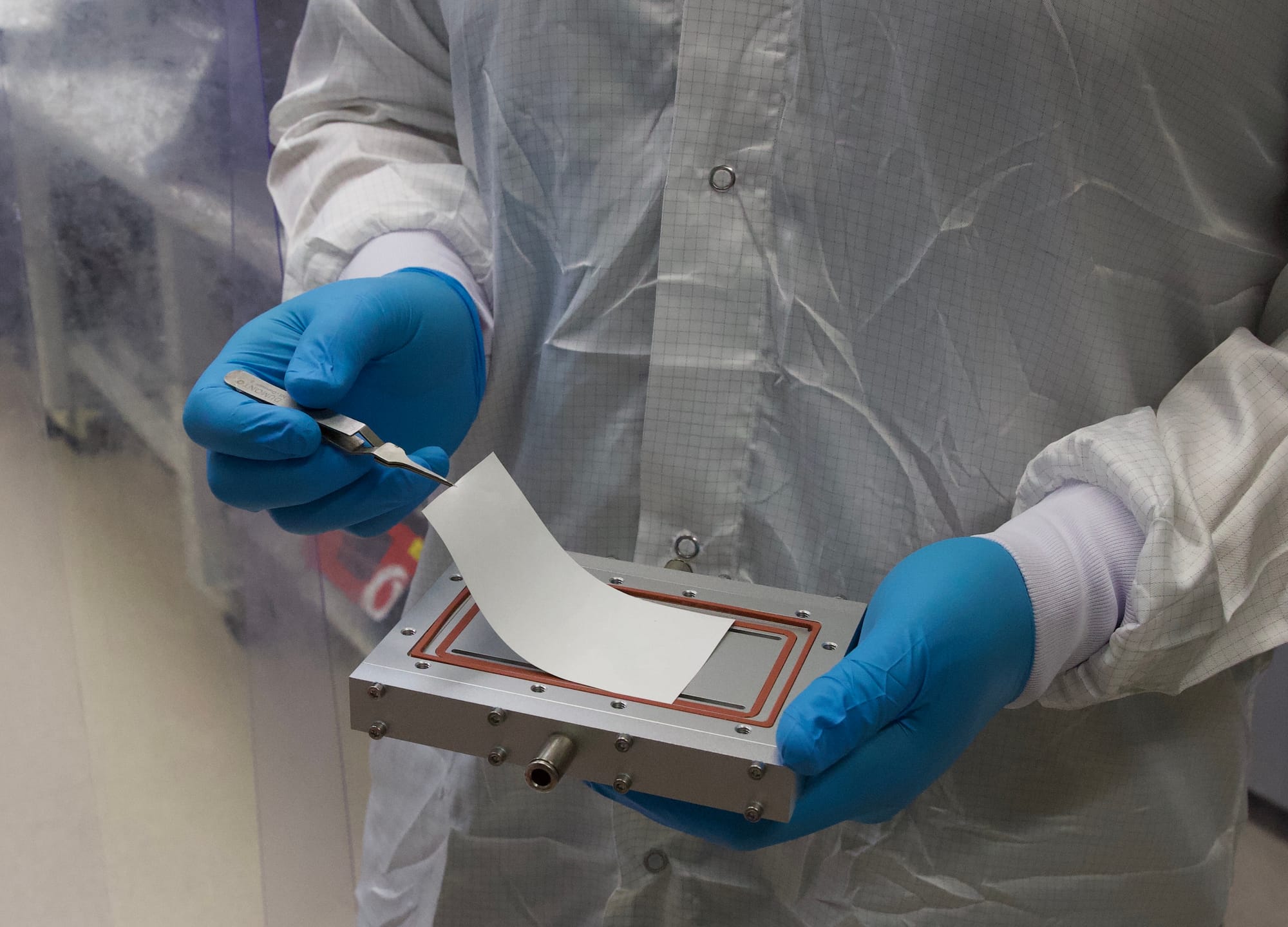
Based near the Energypolis campus in Sion, the start-up is developing there a particular kind of capture technology: a graphene membrane perforated with holes at the molecular scale.
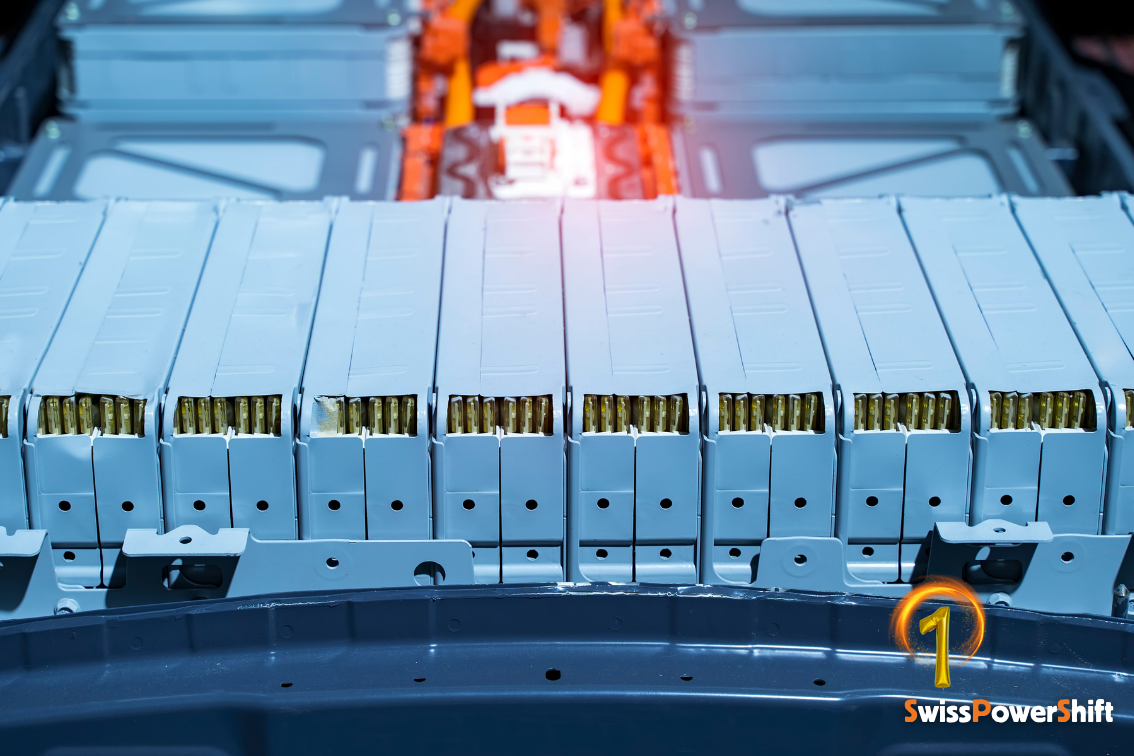
Already active in research on their aging with the CircuBAT project, our country could take a new step with the construction of the world's largest battery in Aargau and the opening of a new dry room within the 'Battery Innovation Hub' of Neuchâtel.

As fossil fuel prices soar, the bill proves to be less steep in Spain and Portugal, two countries ahead in the deployment of renewable energy.
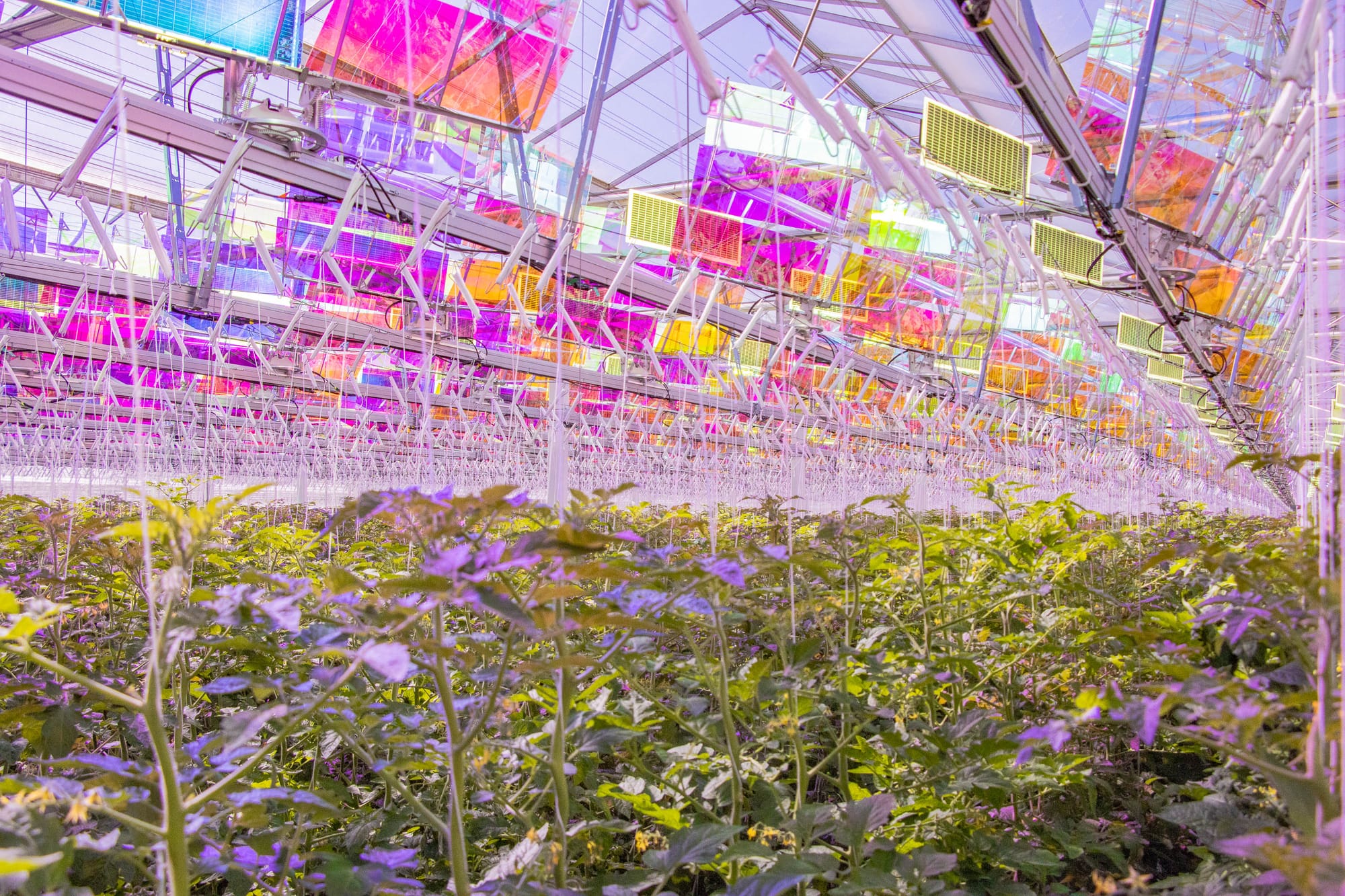
Since its founding in 2021, the young startup has made it its mission to find a good compromise between energy production and plant growth. The solution is called "spectral filtering".

Raphaël Ménard recounts in his book "Vers la légèreté" how available resources determine the forms of architecture and planning. Interview.
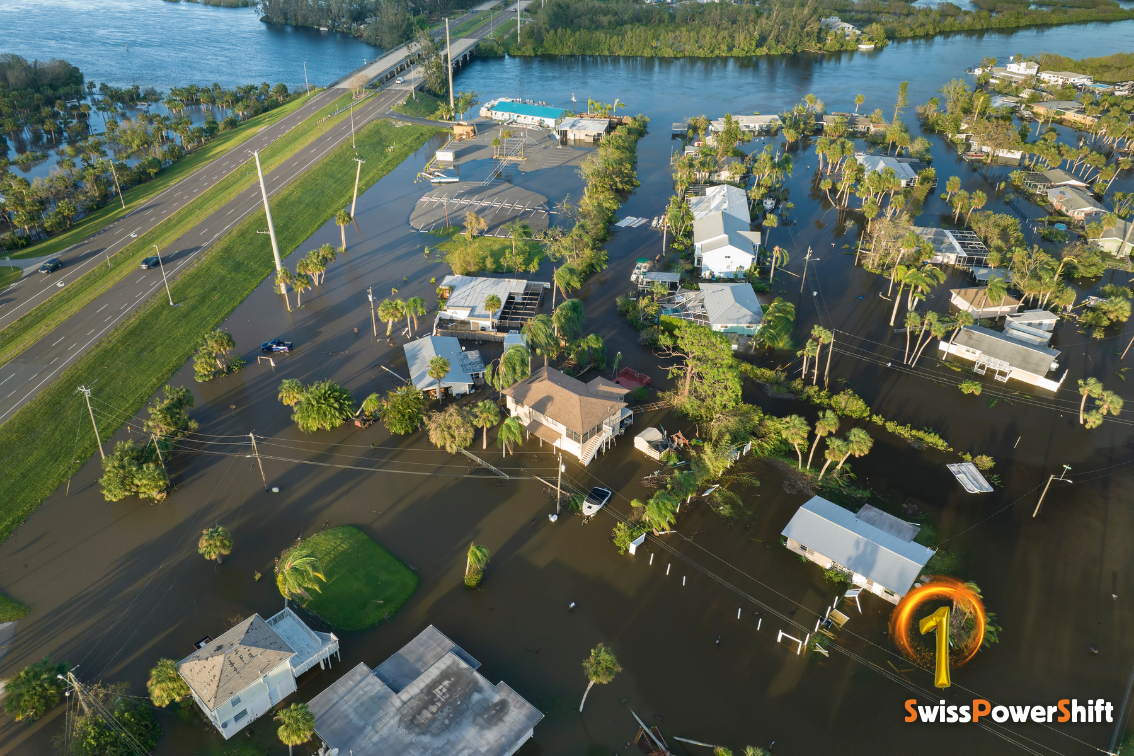
A worrying phenomenon has been growing for several years: the gradual withdrawal of insurance companies from the most at-risk areas.
With its OPERA project, CSEM sought to improve the energy management of multi-family residential buildings by coordinating three elements: photovoltaic production, the heat pump, and the heat distribution system (radiator valves or underfloor heating).
Already a member or subscriber? Simply enter your email address to receive instant access to the article. Enjoy!