The ambition to continue the development of green, reliable and cost-effective energy sources gave rise to new and numerous discussions at the seventh edition of Building Bridges in Geneva.
Based in a laboratory at the EPFL Innovation Park, the start-up is behind a technology capable of destroying methane when it is present at concentrations too low to be recovered and valorized.
When the rise of AI electrifies the values of renewable energy
A recent Harvard study highlights close links between the rise of data centers and clean energy. Behind the algorithms lies a purely material reality: a demand for electricity that is skyrocketing and disrupting grids and the energy transition.
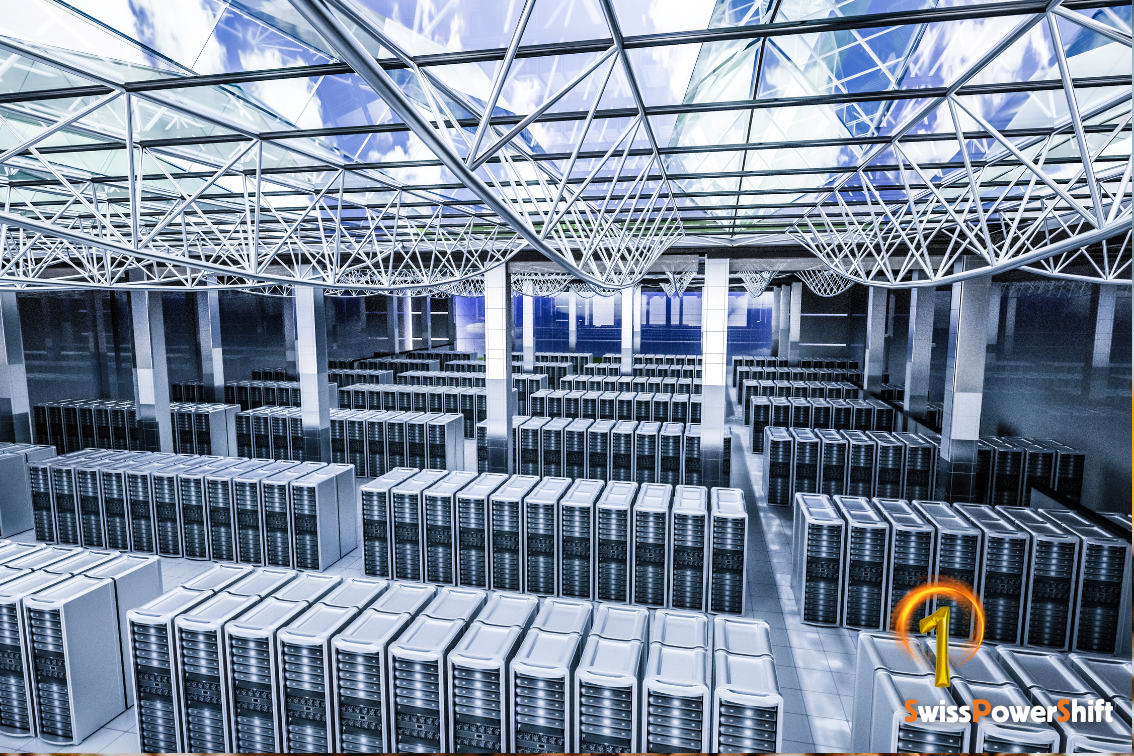
According to the data cited by the Harvard study, global investments in data centers jumped 51% in 2024, reaching approximately $455 billion. @gettyimages/CanvaPro
What if artificial intelligence became one of the drivers of the energy transition? That is one of the most interesting conclusions of a recent study conducted at Harvard Business School. To reach this finding, researchers Alex Cheema-Fox, Megan Czasonis, Piyush Kontu and George Serafeim analyzed 753 trading sessions between 2023 and 2025. They arrived at an interesting observation: the performance of companies active in data center infrastructures is more closely linked to that of clean energy than to that of oil and gas groups.
Over the period studied, movements in data center-related stocks alone explain 33.7% of the daily variations in the clean energy portfolio, compared with only 8.5% for traditional energy stocks. “The real link between artificial intelligence and energy is therefore not only technological, it is physical,” the four scientists conclude. In other words, it is the data centers and the electricity required to run the algorithms, more than the algorithms themselves, that create this new connection with the energy world.
Growing wave of investment
This convergence is explained by the scale of the infrastructures currently being deployed. According to the data cited by the Harvard study, global investment in data centers jumped 51% in 2024, reaching some $455 billion. Amazon, Microsoft, Alphabet and Meta alone accounted for about half of these expenditures. To meet the expected growth in computing power needs, required investments could reach $6.7 trillion worldwide by 2030.
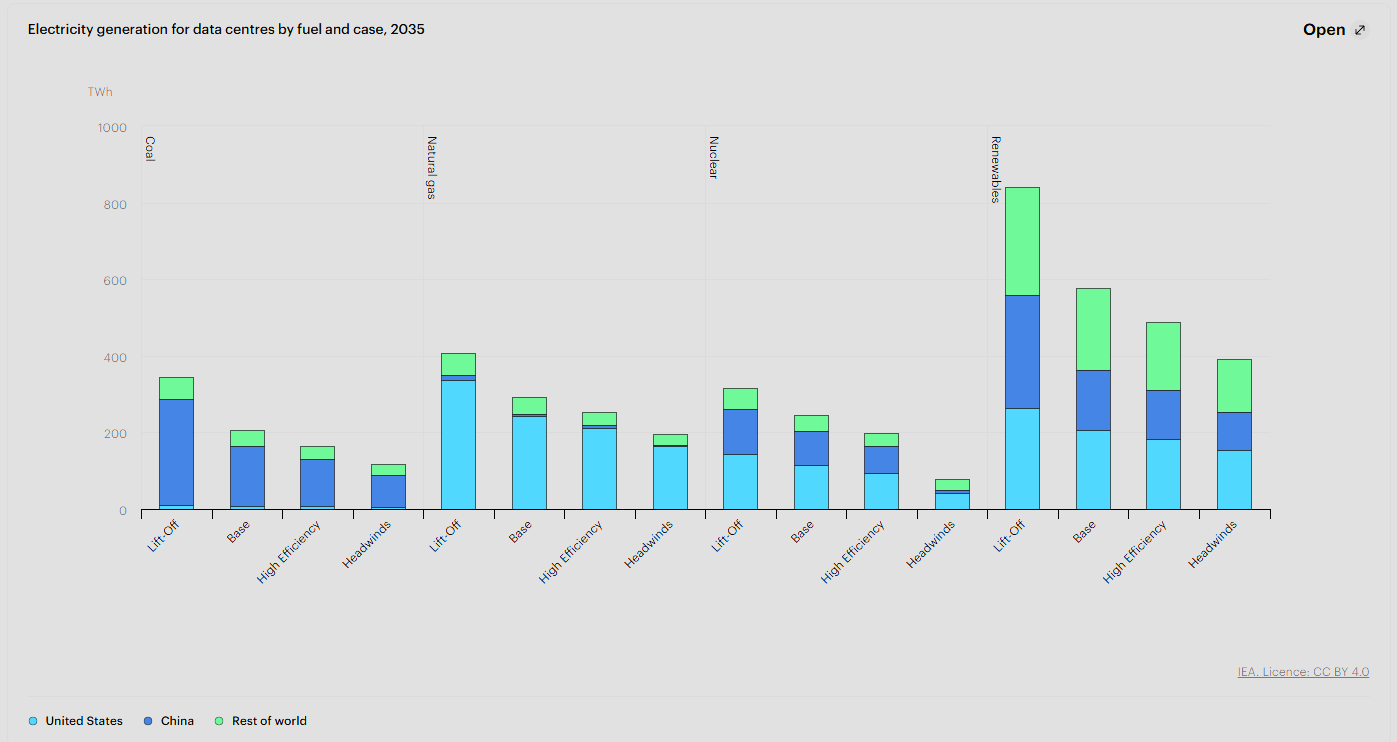
But behind all those billions lies a fundamental need: electricity. The International Energy Agency (IEA) estimates that global electricity consumption by data centers reached about 485 TWh in 2025 and could nearly double to 950 TWh by 2030. Even more striking: consumption by data centers specifically dedicated to AI increased by 50% in 2025 and could triple between 2025 and 2030.
These infrastructures require not only new generation capacity, but also grid connections, transmission lines, transformers, storage solutions and many other pieces of equipment, which sometimes need to be ordered several years before they enter service.
New engine for renewables
For renewable energies, this new demand represents a real opportunity. Tech giants are already signing long-term contracts with producers to secure their electricity supply.
Solar and wind in particular have an advantage well suited to the gradual development of data centers: their modularity. New capacity can be added as computing facilities expand, while being paired with batteries. This dynamic also benefits manufacturers of electrical equipment, grid operators, as well as actors in inverters and control systems.
The authors of the Harvard study go even further. According to them, AI’s electricity needs could “create a new structural engine for clean energy, relatively independent of public subsidies or the price of carbon.” AI could thus offer clean electricity producers precisely what they need: a massive, durable and creditworthy private demand.
Switzerland facing a similar equation
This collision between artificial intelligence and the energy transition naturally also concerns Switzerland. Data centers there already represent a significant electricity consumption, while many new projects are being announced. The issue is all the more sensitive because the country must simultaneously electrify transport and heating, decarbonize certain industrial activities, develop its renewable generation capacity and strengthen its electricity grid.One project concretely illustrates the scale of these new consumptions. In Beringen, in the canton of Schaffhausen, the American company Stack Infrastructure is developing a data center of about 18,000 square meters that should ultimately have a capacity of 36 MW. On its own, the site could almost double the canton’s electricity consumption.The issue therefore does not only concern the number of terawatt-hours consumed at the national level. Data centers concentrate considerable power on a limited number of sites and require an extremely reliable power supply.An operator does not choose its supply based solely on price. The Harvard study also cites supply reliability, the ability to ramp production quickly, price stability, permitting timelines and local grid constraints among the determining criteria. All considerations to take into account in a country where supply security remains a sensitive issue during the winter months. O.W.
Imbalance between supply and demand
Everything would be fine in the best of worlds if the energy needs of generative AI and data centers increased at the same pace as the deployment of new renewable capacity. But the arrival of solutions like ChatGPT and the rapid democratization of these new digital tools make that balance impossible.
On September 8, the United Nations Economic Commission for Europe shared its concerns about the future resilience of energy systems worldwide. “The use of data-hungry technologies – particularly data centers dedicated to artificial intelligence (AI) – is growing faster than electrical infrastructures can support,” the organization believes. It also highlights that this imbalance between supply and demand has already led several countries to take energy-saving measures to avoid overloading their national grids.
The cause: data centers that operate continuously, while solar and wind production remain, by definition, variable. Batteries can offset these fluctuations for a few hours, but are not yet suitable for longer-duration storage needs.
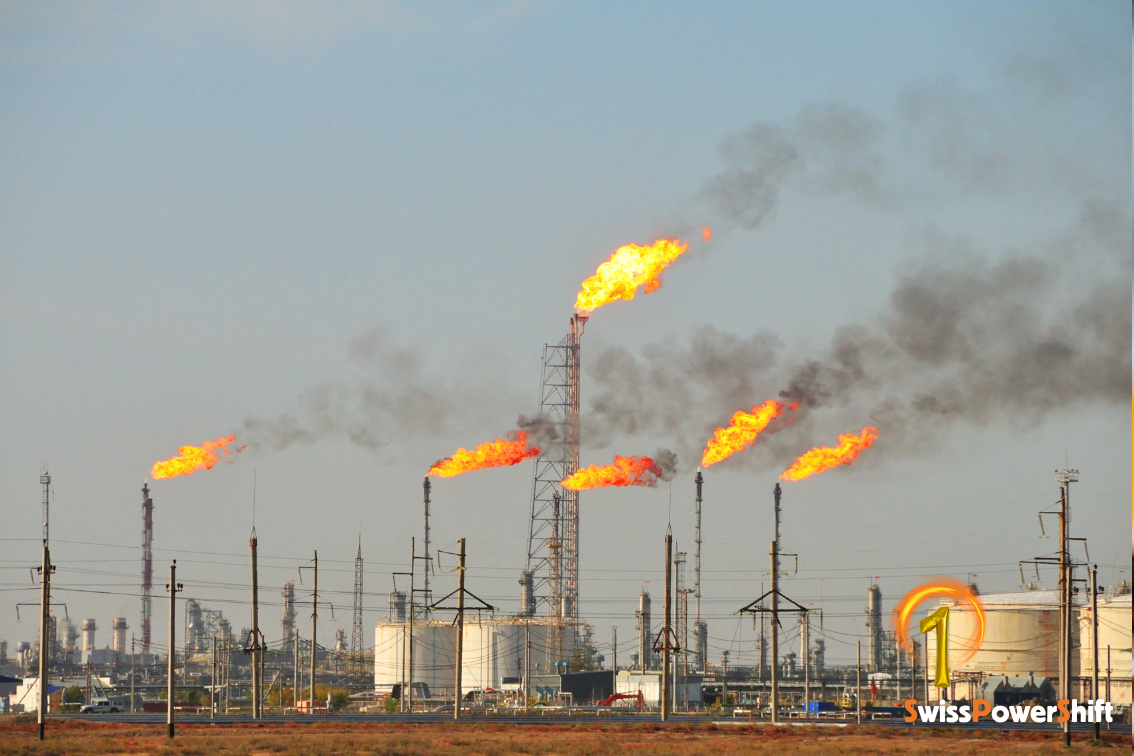
In the United States, some data center developers are now seeking to have their own gas-fired generation capacity to bypass grid connection delays. @gettyimages/CanvaPro
Gas and nuclear
Among the most popular solutions is the particularly controversial option of gas. This fossil fuel indeed has a considerable advantage: it is dispatchable, can ramp up quickly, and gas plants can be installed relatively close to consumption sites. In the United States, some data center developers are now seeking to have their own gas-fired generation capacity to bypass grid connection delays. Harvard researchers are beginning to see traces of this in financial markets. The correlation between data center infrastructures and traditional energy stocks thus rose from 0.25 in 2024 to 0.42 in 2025.
This rush is beginning to change the sector’s economic equation. According to the IEA, conditional agreements between data center operators and small modular reactor (SMR) projects now represent 45 GW, compared with 25 GW at the end of 2024.
Two races to run in parallel
The arrival of AI therefore coincides with the moment when the energy transition already requires more electricity to replace fossil fuels in transport, buildings and industry. The question is no longer only how much artificial intelligence will consume, but how this new demand can be integrated into the electricity system.
It should be noted that AI could also help optimize grids, better forecast renewable production or improve energy efficiency. The relationship between artificial intelligence and the energy transition is therefore complex and cannot be reduced to a simple opposition between digital and climate. AI simultaneously represents a new constraint for grids, a potential factor for prolonging the use of fossil fuels and a driver of investment in low-carbon electricity production.
One certainty emerges, however, from the Harvard study: the global race for artificial intelligence has also become a race for electricity.
This article has been automatically translated using AI. If you notice any errors, please don't hesitate to contact us.
The ambition to continue the development of green, reliable and cost-effective energy sources gave rise to new and numerous discussions at the seventh edition of Building Bridges in Geneva.
Based in a laboratory at the EPFL Innovation Park, the start-up is behind a technology capable of destroying methane when it is present at concentrations too low to be recovered and valorized.
"While it puts manufacturers under pressure, the fall in costs benefits project developers, electricity producers and suppliers, as well as consumers," explains Christian Rom, manager at DNB Asset Management.