"We no longer have any choice but to adapt to climate change"
Interview with Vincent Kaufmann, director of the Ethos Foundation.

A recent Harvard study highlights close links between the rise of data centers and clean energy. Behind the algorithms lies a purely material reality: a demand for electricity that is skyrocketing and disrupting grids and the energy transition.
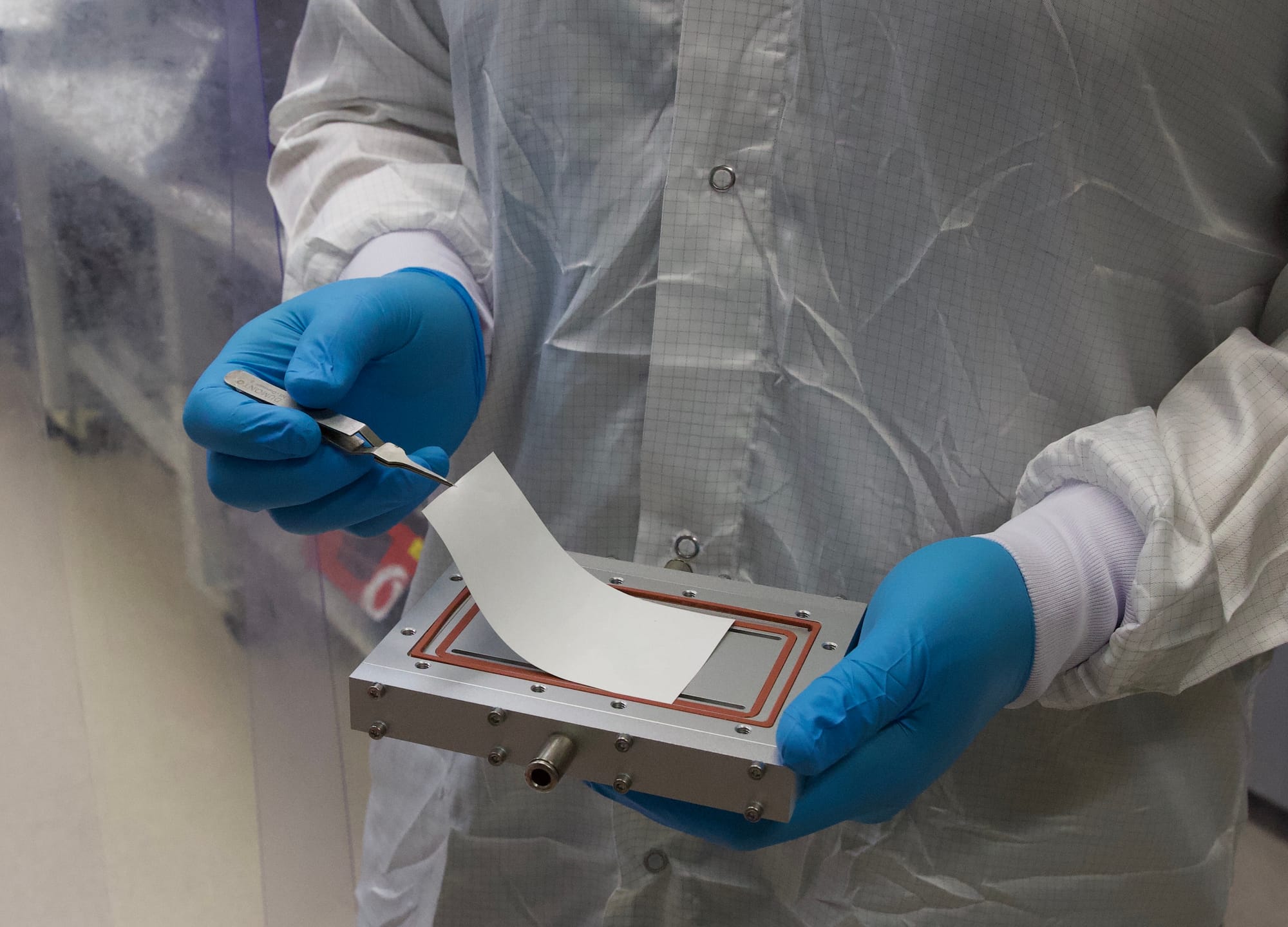
Based near the Energypolis campus in Sion, the start-up is developing there a particular kind of capture technology: a graphene membrane perforated with holes at the molecular scale.

Already active in research on their aging with the CircuBAT project, our country could take a new step with the construction of the world's largest battery in Aargau and the opening of a new dry room within the 'Battery Innovation Hub' of Neuchâtel.

"To act effectively, companies need visibility. However, historical data are no longer sufficient to anticipate future crises, pushing companies to rely on new, more forward-looking scientific approaches," explains Julien Boucher, co-founder of Earth Action.

As fossil fuel prices soar, the bill proves to be less steep in Spain and Portugal, two countries ahead in the deployment of renewable energy.

"Succeeding in calculating the 'true costs' of food could serve as a compass and steer our decisions toward a more sustainable, healthier and more equitable diet," says Emilia Schmitt, scientific coordinator of the "True Cost of Food Switzerland" project.

Raphaël Ménard recounts in his book "Vers la légèreté" how available resources determine the forms of architecture and planning. Interview.

As this Thursday marks the official creation of a Swiss entity of the World Sufficiency Lab, we revisit the question of sufficiency with its cofounder and director, Yamina Saheb.
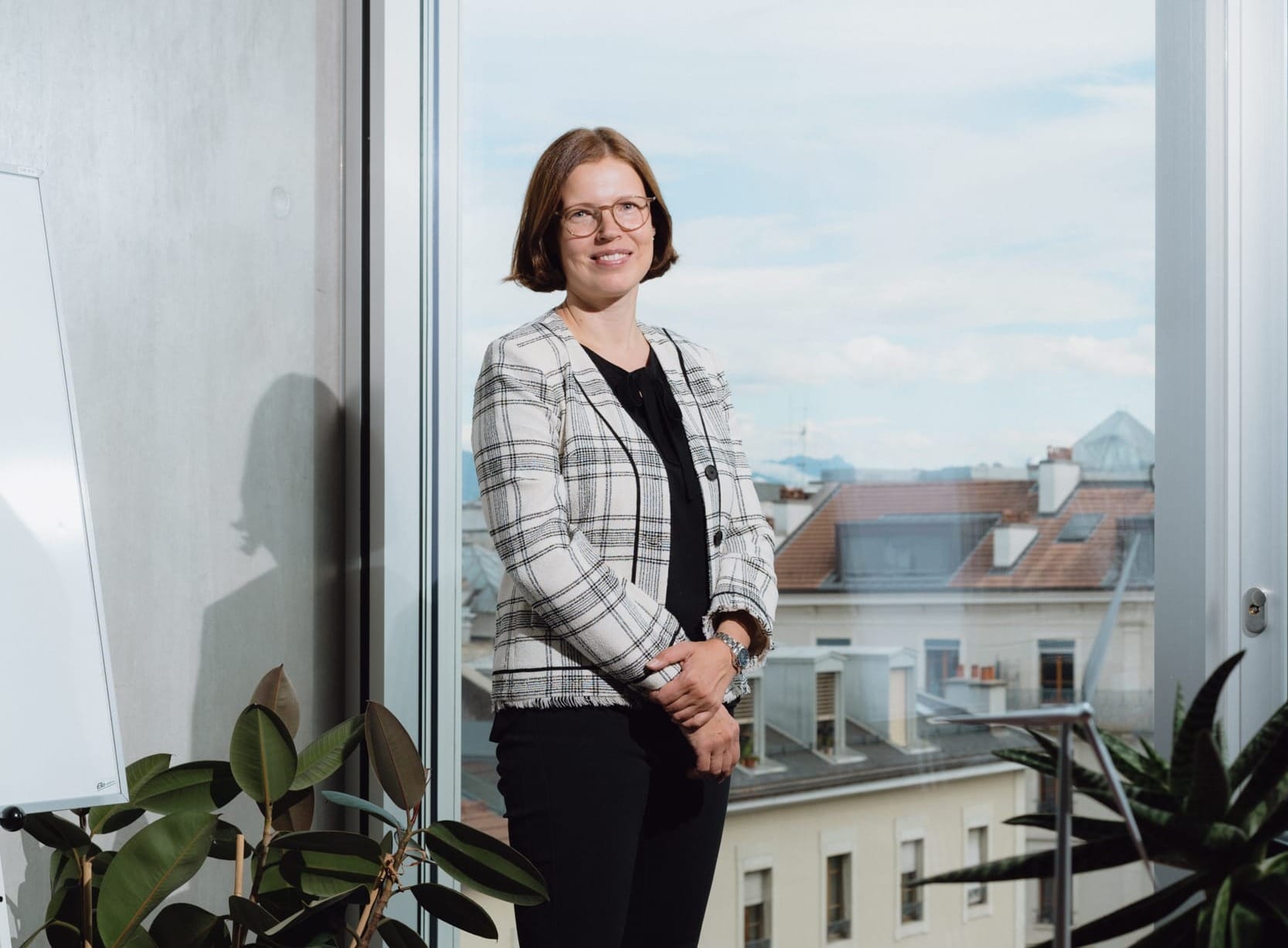
At the crossroads of science, society and public policy, the professor at the University of Geneva develops energy scenarios aimed at supporting the transition to carbon neutrality.

In a new report titled "Global Tipping Points", scientists estimate that the window for action to prevent certain harmful and irreversible tipping points is closing rapidly.

"PFAS do not constitute an abstract risk, but a tangible threat that calls for science-based responses through the most thorough analyses possible," explains Henri Klunge, chemical engineer and founder of Alcane Conseils.

Olivier Hamant, a biologist-philosopher, aims to make organizations robust so they can withstand the turmoil to come. A critic of the performance dogma, the biologist will give a lecture at the University of Lausanne on October 31 as part of the Écotopiales.
Already a member or subscriber? Simply enter your email address to receive instant access to the article. Enjoy!