"We no longer have any choice but to adapt to climate change"
Interview with Vincent Kaufmann, director of the Ethos Foundation.
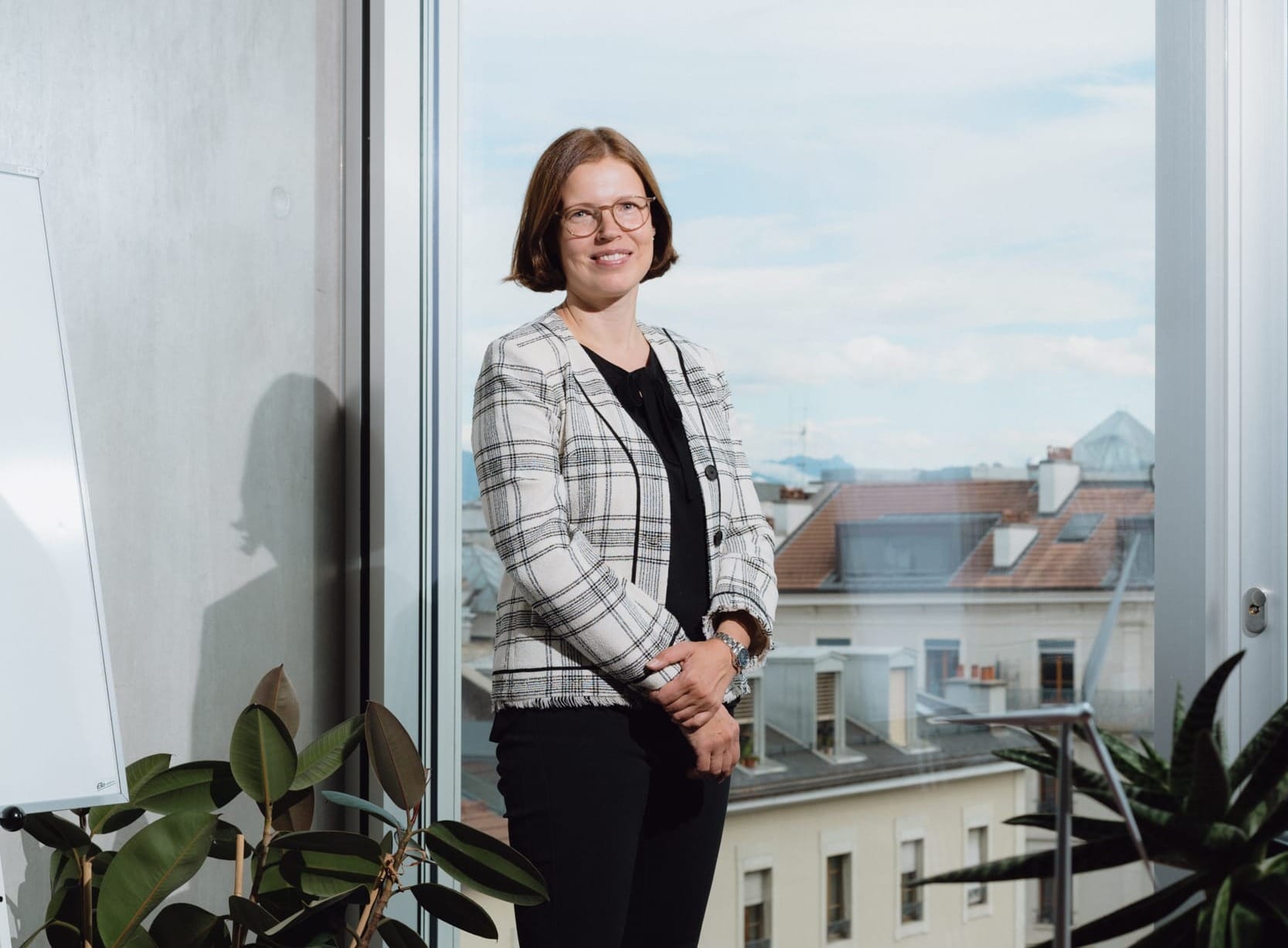
At the crossroads of science, society and public policy, the professor at the University of Geneva develops energy scenarios aimed at supporting the transition to carbon neutrality.

A long-standing pioneer in electrifying its mobility, the City of Zurich presented at the beginning of the summer a plan of 13 measures to further accelerate its transition.
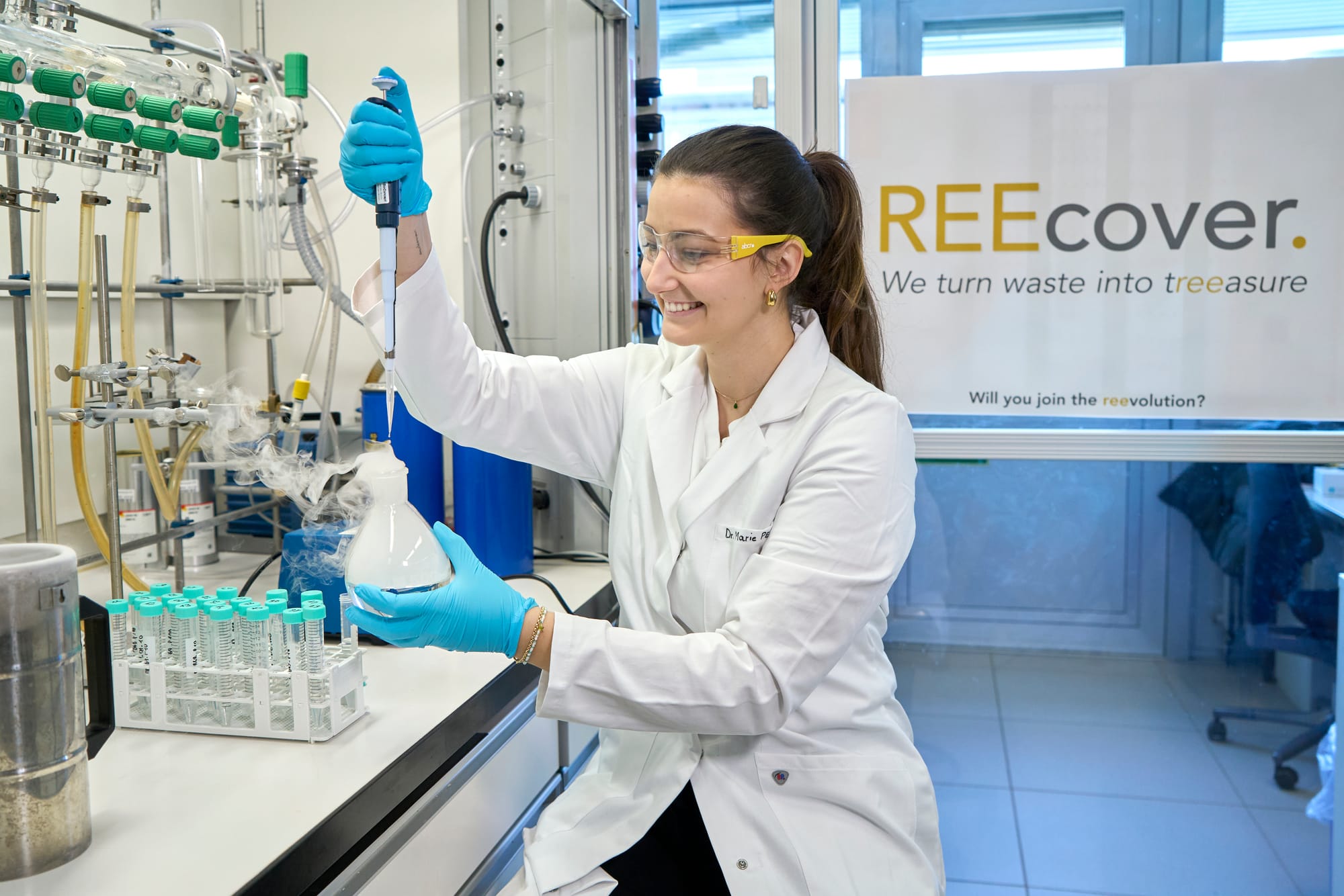
A 28-year-old French-American, the EPFZ researcher has been rewarded for her method that allows europium — a critical metal used in fluorescent lamps and screens — to be recovered in a cleaner, simpler and more sustainable way. Profile.

In response to the growth of photovoltaic installations in Switzerland, numerous platforms and matchmaking solutions connecting property owners and installers have emerged. They offer personalized support to guide owners through their solar projects.

Two opposing models are facing off. On the one hand, high-power reactors such as EPRs, which rely on the centralization of production with high-power units; on the other hand, modern, small reactors with an electrical capacity ranging between 10 MW and 300 MW.
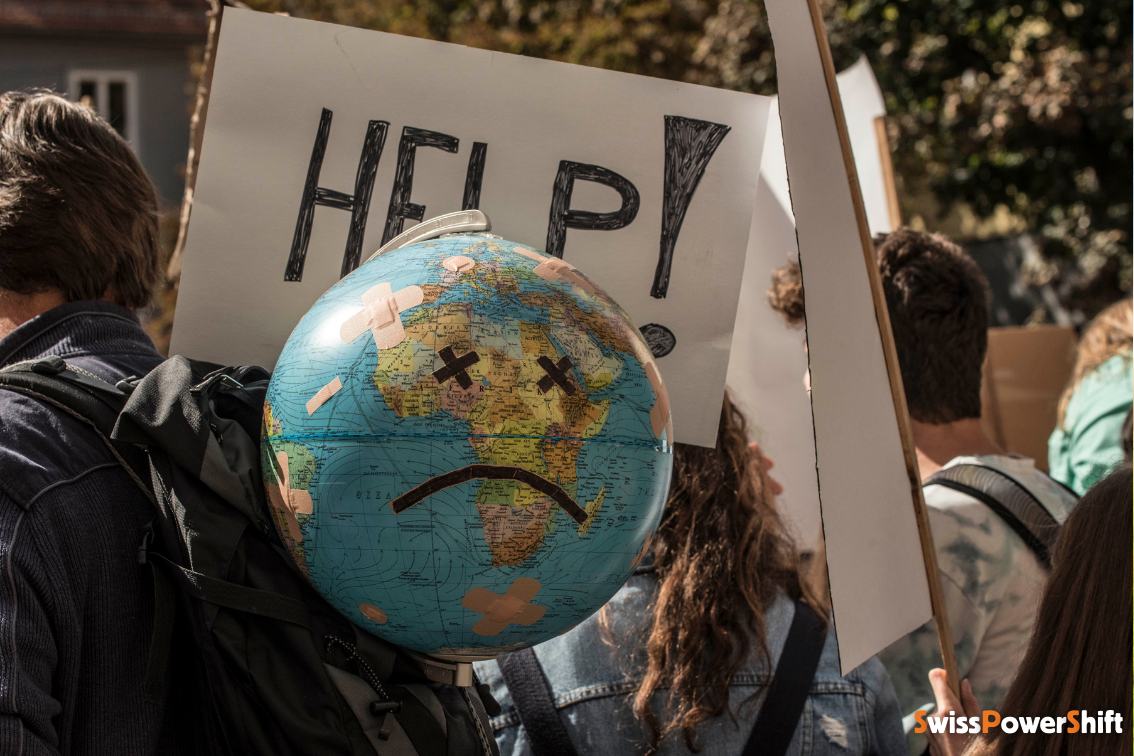
As we celebrate the tenth anniversary of the Paris Agreement, the United States is withdrawing from it for the second time, while sustainability regulations are being attacked from all sides.

By combining agricultural production and solar energy, agrivoltaics offers promising prospects in Switzerland, where the areas dedicated to agriculture as well as to renewable energy production are limited.
Already a member or subscriber? Simply enter your email address to receive instant access to the article. Enjoy!