What happens when insurance companies decide to withdraw and no longer cover the most at-risk areas? That is the theme at the heart of the new report by the environmental NGO, but also of "Sigma", that of the Swiss Re Institute. Analysis
"Flexibility solutions are now essential. However, they face a structural difficulty: their costs are decreasing faster than market rules evolve," explains Xavier Blot, associate professor at emlyon business school.
By naming their first edition "Wind farms are taking shape", the industry's players want to show a certain optimism despite a context that remains complicated for the sector. A look by Benoist Guillard, president of the Groupe romand pour l’énergie éolienne (GREE).
What a week! It was as distressing as it was tumultuous. The passing of Pierre Veya, co-founder of SwissPowerShift, sent shockwaves through his loved ones, the profession, and also among you.
Under normal circumstances, I had planned to close this year by wrapping up our series on green finance with a final column. Although SwissPowerShift is pleased to have found a few contributors (Reyl, Piguet Galland, Banque Alternative, Swissquote, LFDE as well as Camille Lipani) to answer our questions during December, you may have noticed the absence of the country's major banks, including cantonal ones, from our pages.
The reality is simple: they chose not to answer us. While some of them strutted through the aisles of Building Bridges to preach their good word, they showed a regrettable lack of transparency regarding our few very concrete questions. A deafening silence.
Future of the platform
But since our program has been completely turned upside down, I will not dwell further on this point, to talk about the platform and its future. As I wrote a few days ago, our initial results, after two months of activity, are more than promising. Since the launch, nearly 7,000 of you have already visited SwissPowerShift at least once, and given the total number of visits, many of you return regularly.
Naturally, the road ahead looks long to establish the platform for the long term. It will be all the more so without Pierre Veya, whose unmatched expertise on the topics covered on SwissPowerShift will be sorely missed.
At this stage, many unknowns remain following his passing. Know that several projects are already underway. During the month of January, we notably plan to revisit the Bilaterals III and the electricity agreement, to address the theme of scarcity, as well as other surprises to come.
Acknowledgements
Wishing to be completely transparent, I will keep you regularly informed of developments on our LinkedIn page, a page I invite you to join if you have not already done so.
For the holiday period, we had long planned to put the platform on pause in order to catch our breath.
Before wishing you happy holidays, allow me to thank you once again for your support, your interest and your constructive feedback during the first two months of SwissPowerShift's life. And do not hesitate to write to me during the holidays with any comments or questions at this address: info{a}swisspowershift.ch.
Merry Christmas and all the best for 2025.
Olivier Wurlod
This article has been automatically translated using AI. If you notice any errors, please don't hesitate to contact us.
What happens when insurance companies decide to withdraw and no longer cover the most at-risk areas? That is the theme at the heart of the new report by the environmental NGO, but also of "Sigma", that of the Swiss Re Institute. Analysis
"Flexibility solutions are now essential. However, they face a structural difficulty: their costs are decreasing faster than market rules evolve," explains Xavier Blot, associate professor at emlyon business school.
By naming their first edition "Wind farms are taking shape", the industry's players want to show a certain optimism despite a context that remains complicated for the sector. A look by Benoist Guillard, president of the Groupe romand pour l’énergie éolienne (GREE).
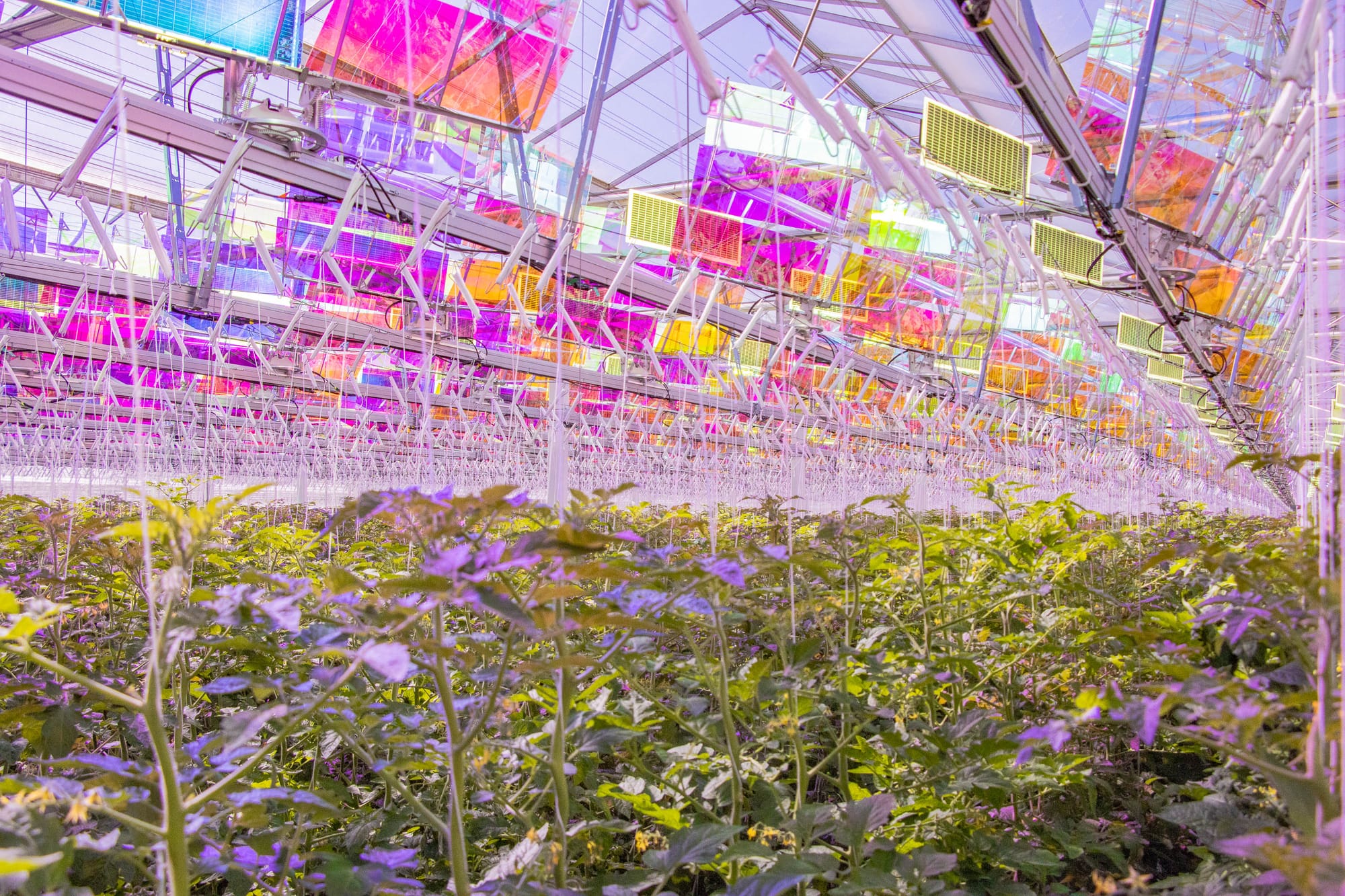
Since its founding in 2021, the young startup has made it its mission to find a good compromise between energy production and plant growth. The solution is called "spectral filtering".