"We no longer have any choice but to adapt to climate change"
Interview with Vincent Kaufmann, director of the Ethos Foundation.
Postponing (again) the rules regarding the ban on internal combustion engine vehicles is nonsense, according to Marc Muller, founder of the company IMPACT LIVING.

An electric car is much simpler to produce than an internal combustion one. There is no – apart from battery chemistry and the nonsense you read in the media – major innovation in an electric car. Same electric motor, same battery management system, same charger, and moreover the same globalized designers. A Chinese or a European one, it’s the same car with the same architecture.
Competition is therefore played on volumes and production efficiency. Whoever produces quickly and in large quantities wins. Some Chinese manufacturers already have assembly lines automated to 95%. That is to say, roughly without humans, but above all with low variable costs. Once the factory is built, producing more costs very little.
Meanwhile, China registers nearly 1'000'000 electric vehicles per month versus 150'000 in Europe. With these volumes, this allows the Chinese to make margins on electric vehicles, to reinvest in production innovation and to further lower prices.
The time window during which the European consumer agrees to pay more for a worse product on the pretext that it is made in Europe is shrinking at a supersonic speed.
If measures are not urgently put in place to limit consumers' ability to buy internal combustion vehicles, the European industry will fragment and will end up being a mere importer of Chinese products, rebranded Polestar, Peugeot or Dacia… with no jobs to show for it. It’s written in advance; the rest is short-term lobbying.
This article has been automatically translated using AI. If you notice any errors, please don't hesitate to contact us.

Interview with Vincent Kaufmann, director of the Ethos Foundation.

"The summer of 2026 showed what inaction costs; the courts, for their part, have begun to say who must be held responsible for it," emphasize François de Cambiaire and Lydia Méziani, lawyers at de Cambiaire & Méziani Associates.

Interview with Mélanie Beyeler, Global Head of Sustainable Investing at EFG.
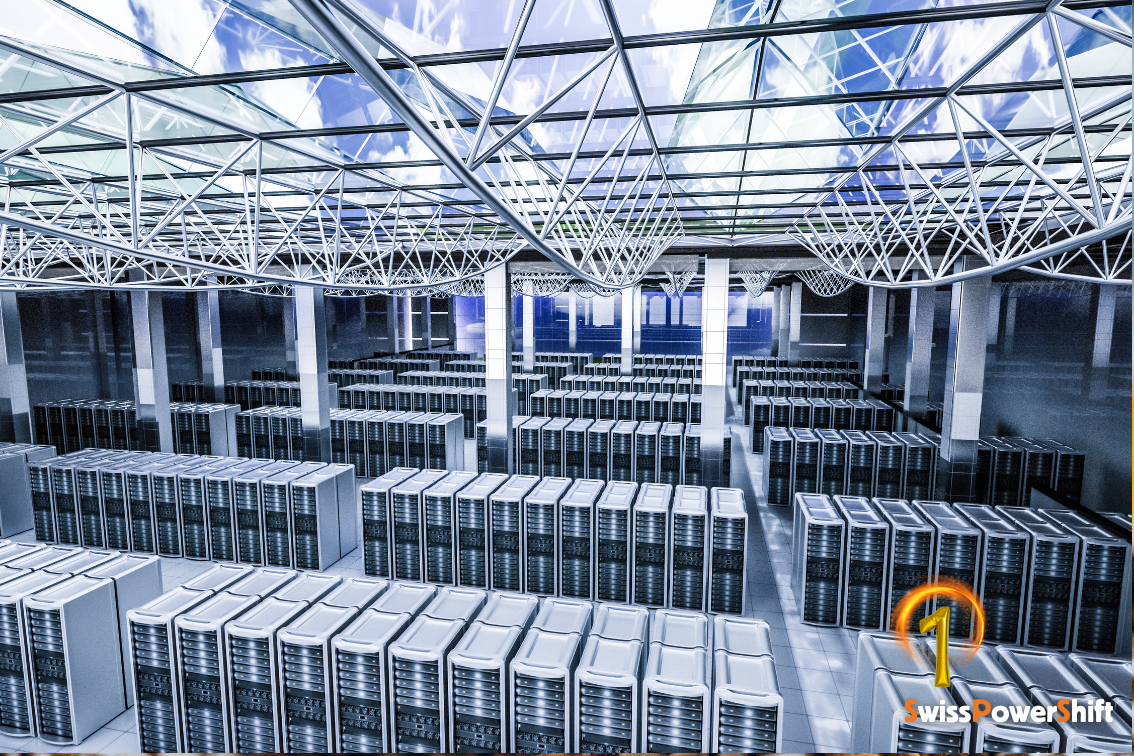
A recent Harvard study highlights close links between the rise of data centers and clean energy. Behind the algorithms lies a purely material reality: a demand for electricity that is skyrocketing and disrupting grids and the energy transition.
Already a member or subscriber? Simply enter your email address to receive instant access to the article. Enjoy!