"We no longer have any choice but to adapt to climate change"
Interview with Vincent Kaufmann, director of the Ethos Foundation.
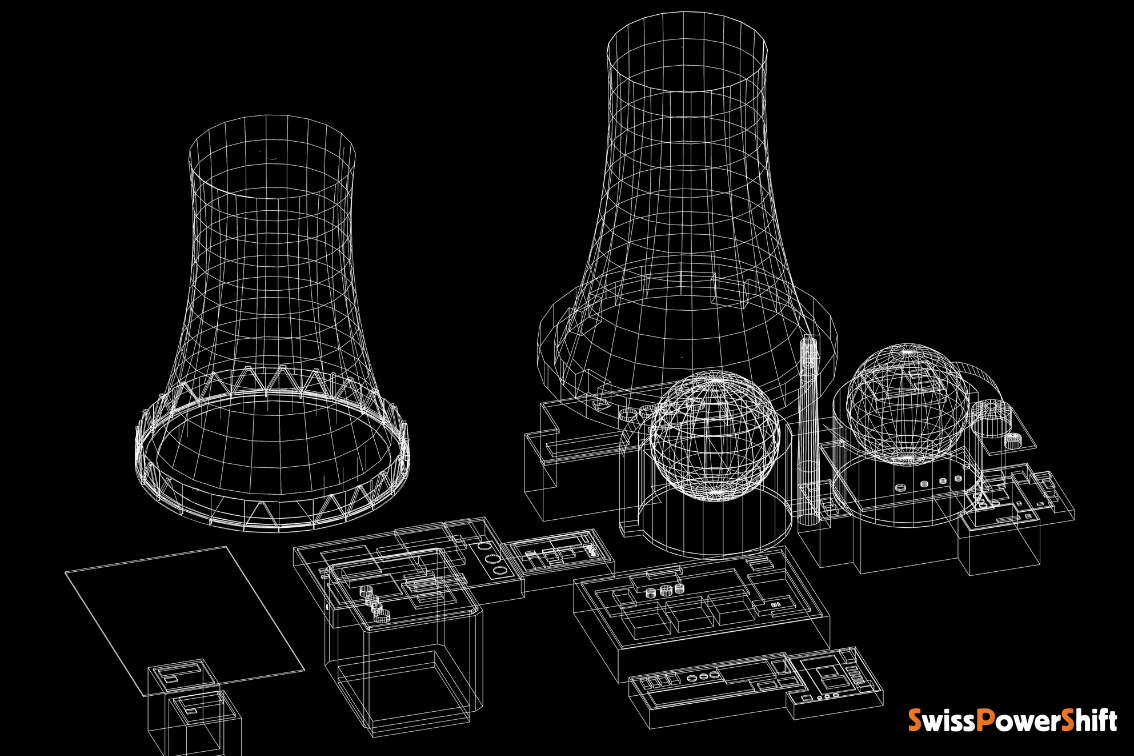
Two opposing models are facing off. On the one hand, high-power reactors such as EPRs, which rely on the centralization of production with high-power units; on the other hand, modern, small reactors with an electrical capacity ranging between 10 MW and 300 MW.

"Investing in renewable energy proves to be more profitable than maintaining the current system of subsidies for fossil fuels. According to the UN, a global reduction in pollution could save up to $4.2 trillion per year by 2030," explains Jean-Yves Pidoux.
Interview with Alexander Puhrer, head of nuclear production at Alpiq.

"Nuclear power is a subject that divides, imbued with emotions and political debate. In the face of the challenges of the energy transition and our growing electricity needs, can we afford to exclude this technology permanently?" asks Michael Frank, director of AES.
Because of its high efficiency and sustainability, hydrogen could play an important role in the energy transition. Aside from its industrial production, it exists naturally in the form of deposits that are still largely untapped. Explainer.
<p>Interview with Laurent Ducrest, Head of Thermal Production and Environment at Groupe E.</p>

"Switzerland is committed to an ambitious energy transition. Based on the increasing electrification of our society, this change requires a thorough modernization of the country's energy infrastructure," explains Thomas Lier, head of the GEFISWISS Energy Transition Fund.
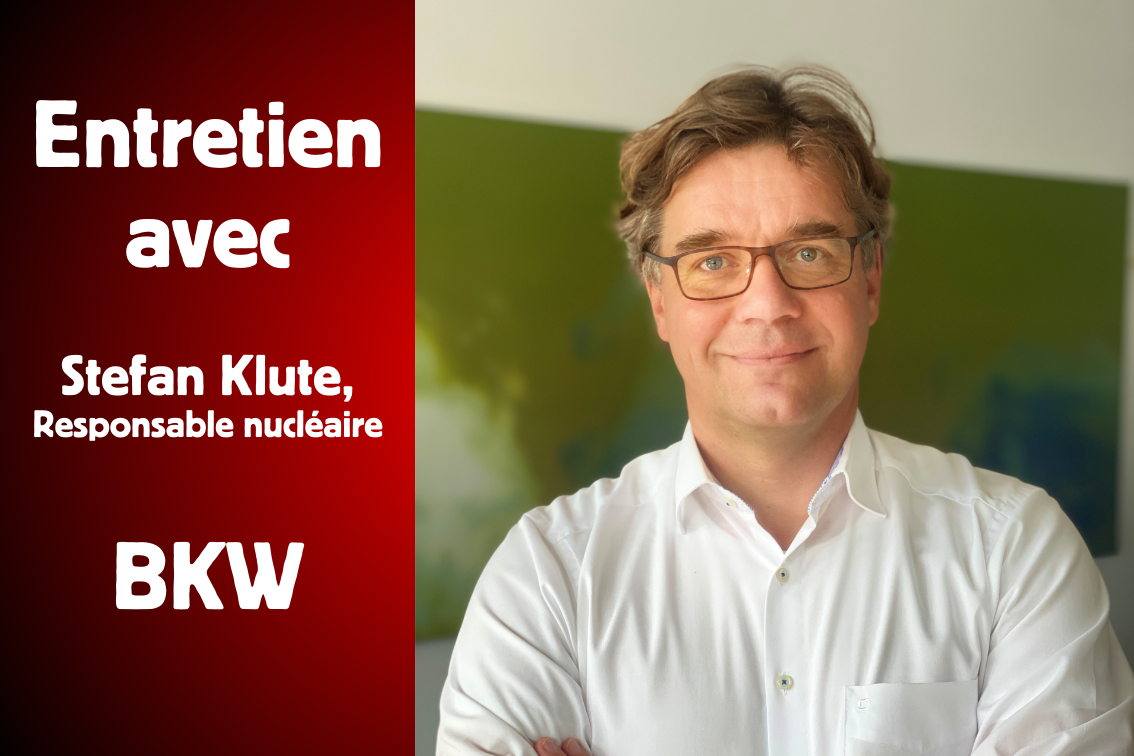
Interview with Stefan Klute, head of nuclear at BKW.
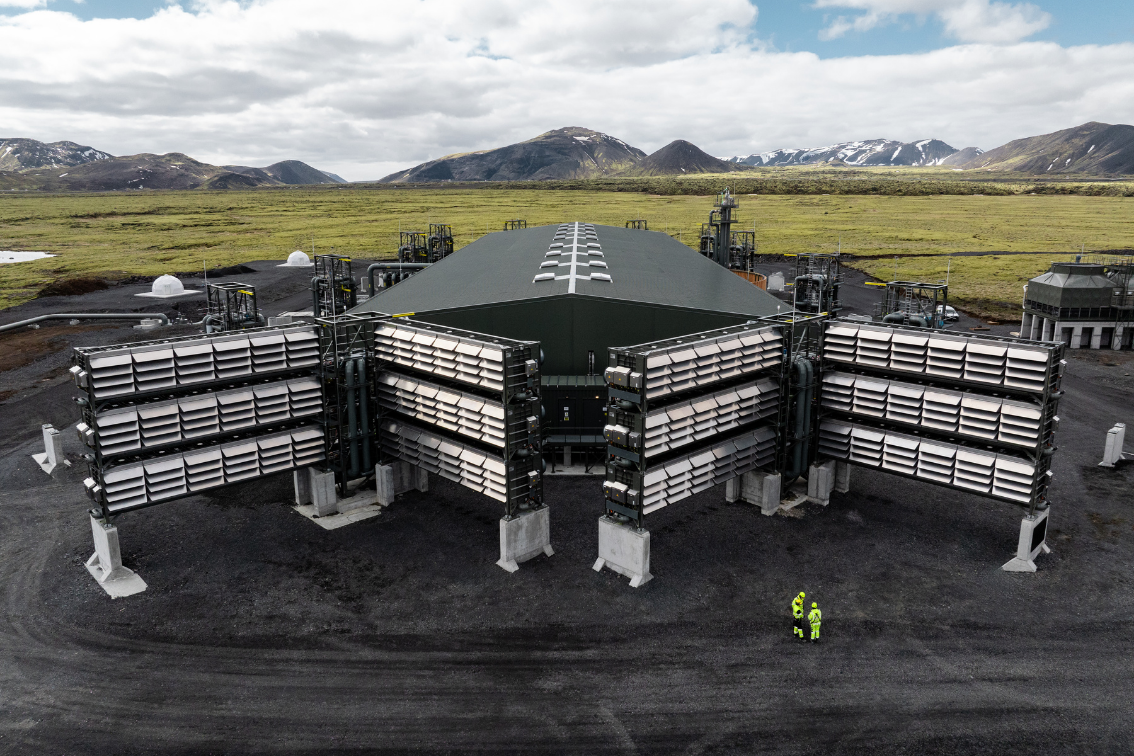
A recent study by the Swiss Federal Institute of Technology in Zurich has raised doubts about the feasibility of CO₂ storage in Switzerland. If in situ mineralization proves impossible, the solution lies in deeper reservoirs, within saline aquifers.

Instead of considering cuts to research funding and support for start-ups, the Confederation should invest more and accelerate the country's transition to renewable energies.
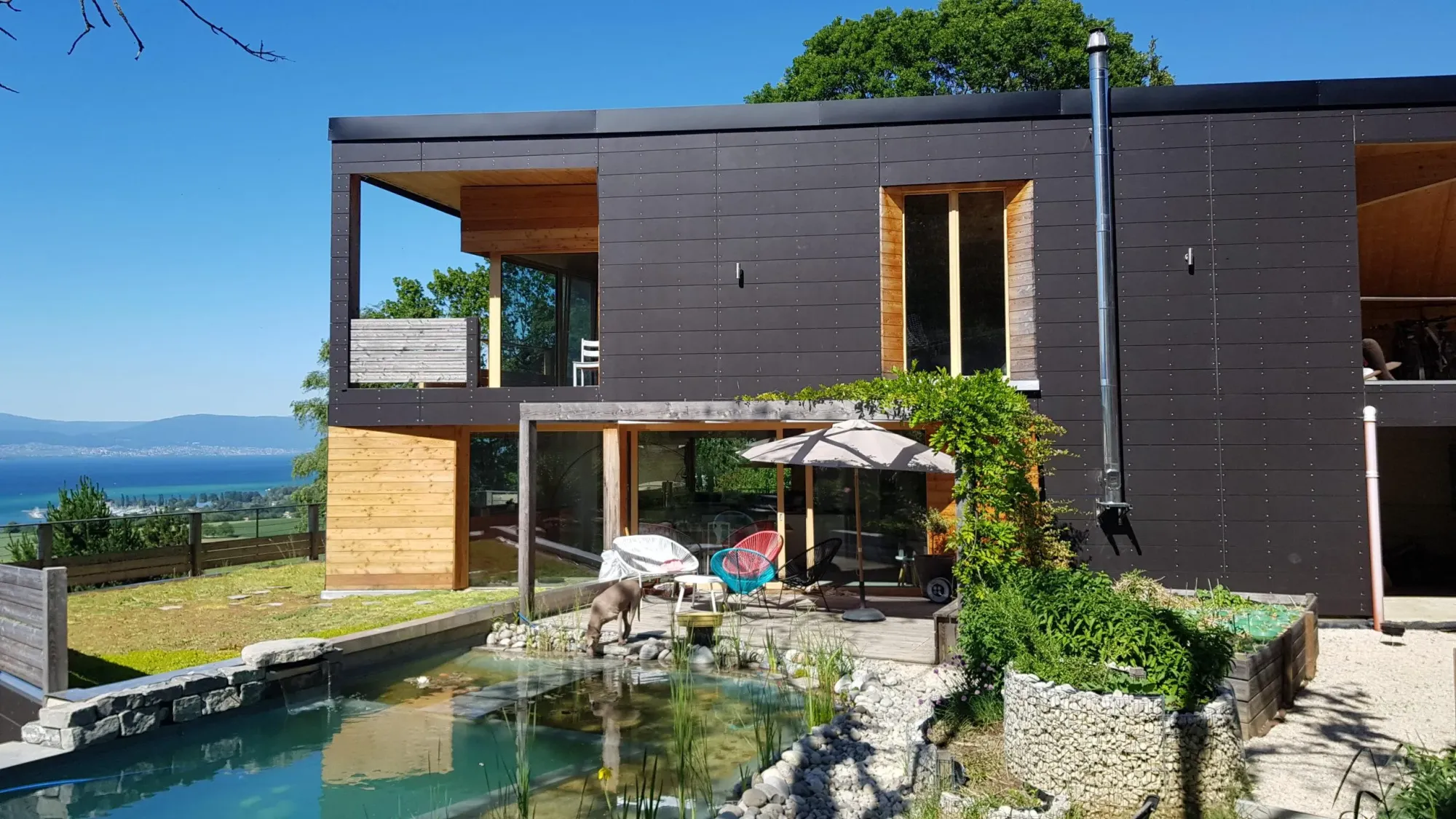
Architects, contractors and private individuals are increasingly getting involved in the construction of eco-friendly housing. Guided tour of a completed project, a symbol of a sustainable approach undertaken in a self-taught way.

Published at the end of last year, the WEF report assesses the consequences of maintaining the status quo in the face of climate challenges. The essence of this research work entitled "The Cost of Inaction: A Guide for Business Leaders to Address Climate Risks".
Already a member or subscriber? Simply enter your email address to receive instant access to the article. Enjoy!