"We no longer have any choice but to adapt to climate change"
Interview with Vincent Kaufmann, director of the Ethos Foundation.
Focus on Swiss energy and environmental initiatives and policies.
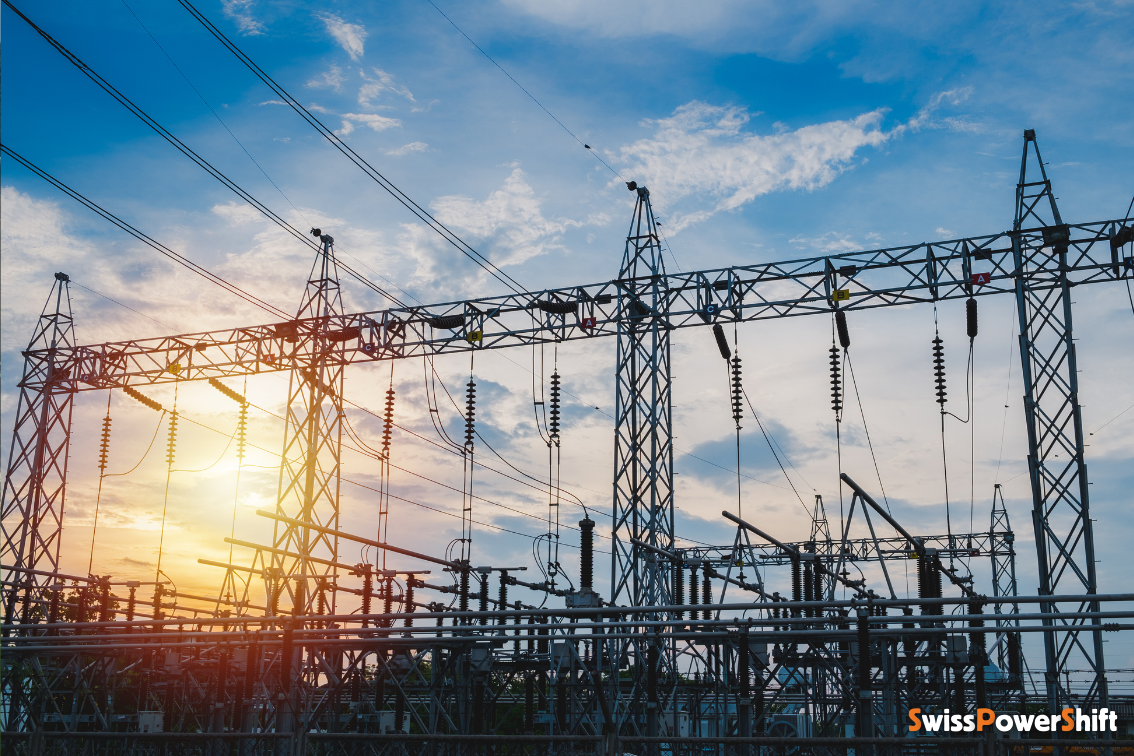
The infrastructures enabling the delivery of electricity will play an essential role in the decarbonization process. But it will not be enough to simply reinforce them: they will need to include new functions and various synergies will need to be exploited.
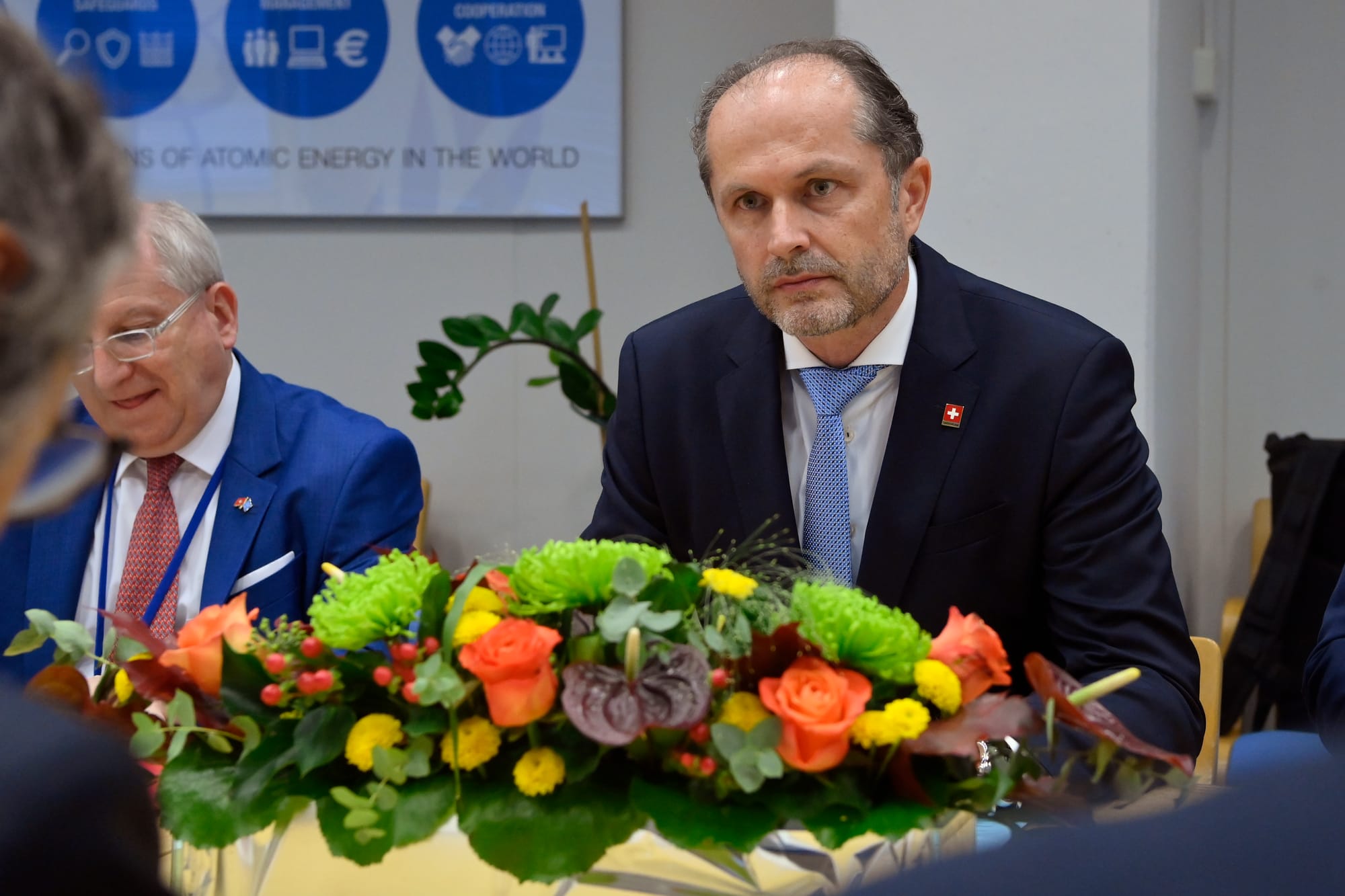
In a Swiss and international context marked by intense news coverage of energy and climate issues, the opportunity is ideal for an in-depth exchange with Benoît Revaz, Director of the Federal Office of Energy (OFEN). Interview.
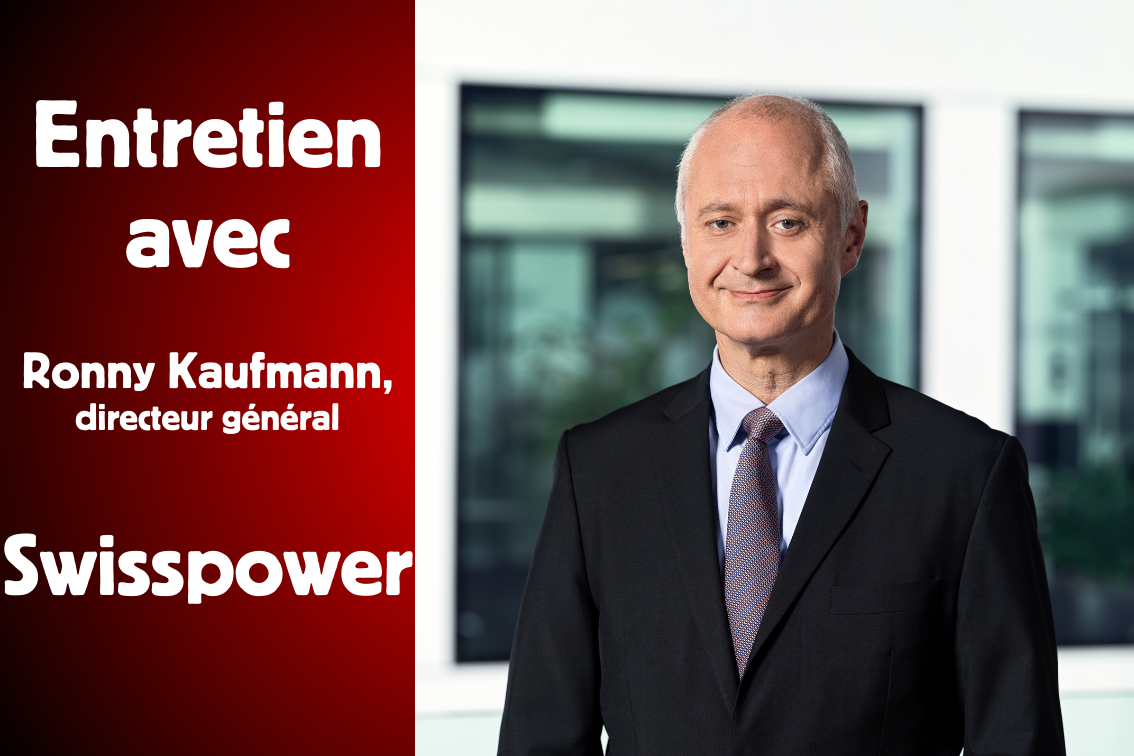
Interview with Ronny Kaufmann, general manager of Swisspower, a strategic alliance representing 19 municipal utilities and regional supply companies in Switzerland.
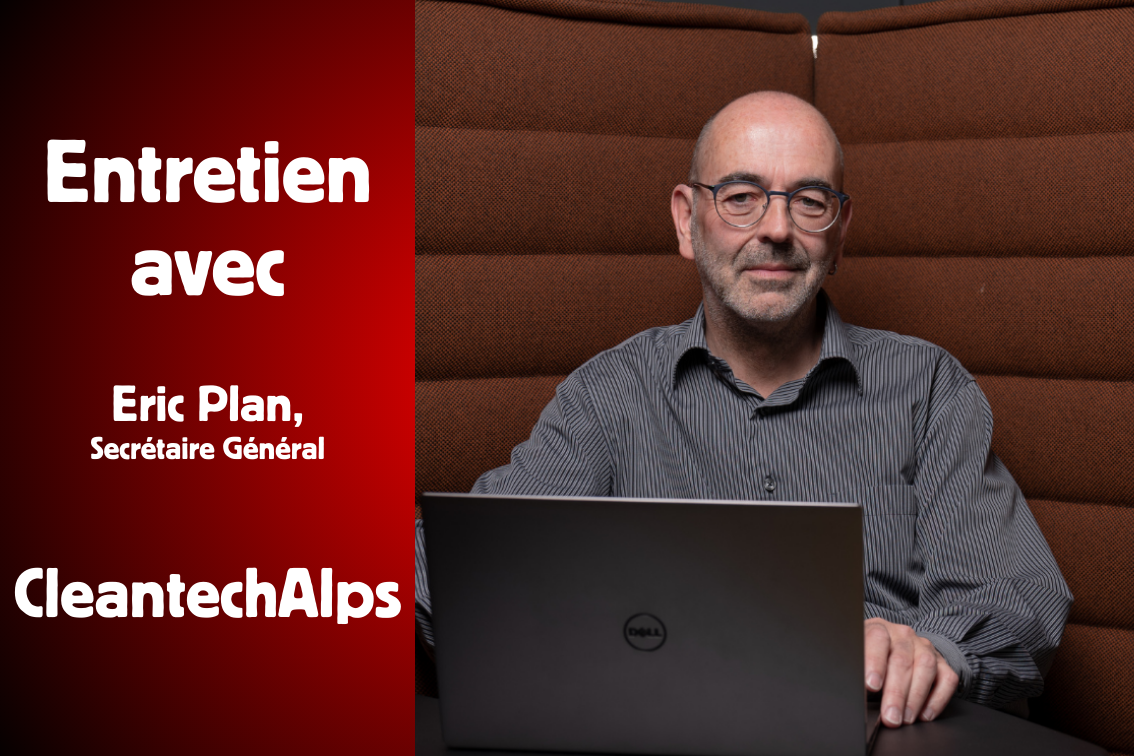
The CleantechAlps association has launched a survey of Swiss companies to better understand their challenges in terms of sustainability and decarbonization. Interview with its secretary-general, Eric Plan.

"Investing in renewable energy proves to be more profitable than maintaining the current system of subsidies for fossil fuels. According to the UN, a global reduction in pollution could save up to $4.2 trillion per year by 2030," explains Jean-Yves Pidoux.
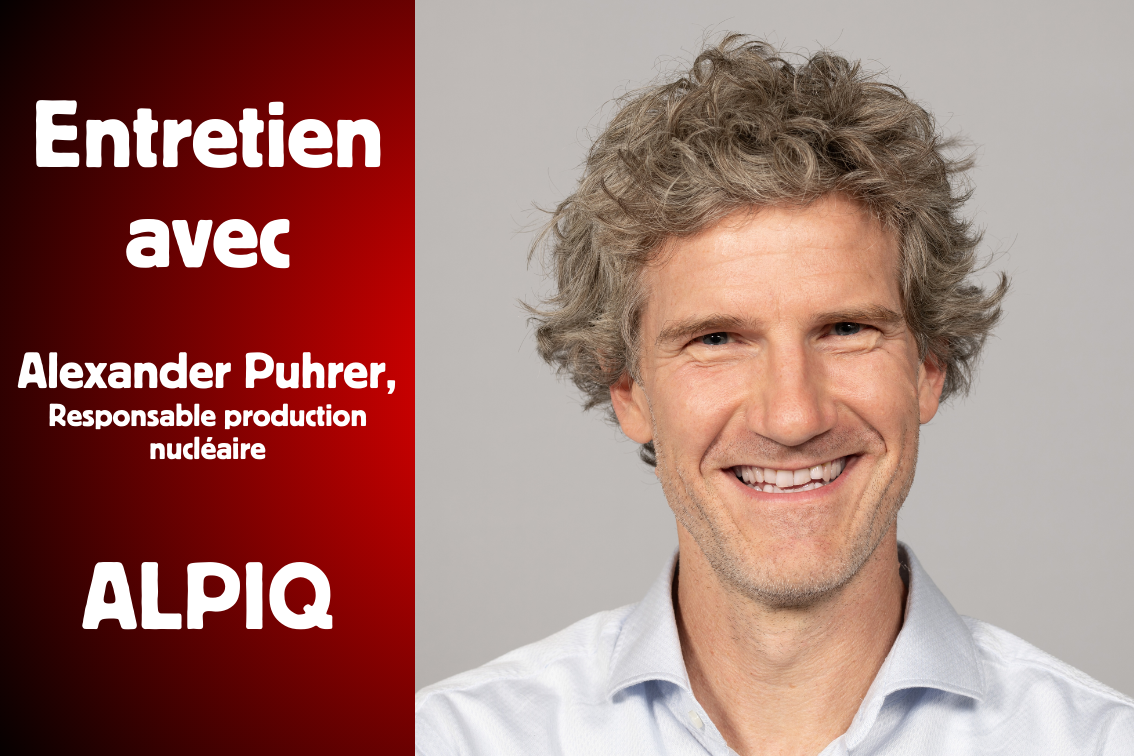
Interview with Alexander Puhrer, head of nuclear production at Alpiq.

"Nuclear power is a subject that divides, imbued with emotions and political debate. In the face of the challenges of the energy transition and our growing electricity needs, can we afford to exclude this technology permanently?" asks Michael Frank, director of AES.
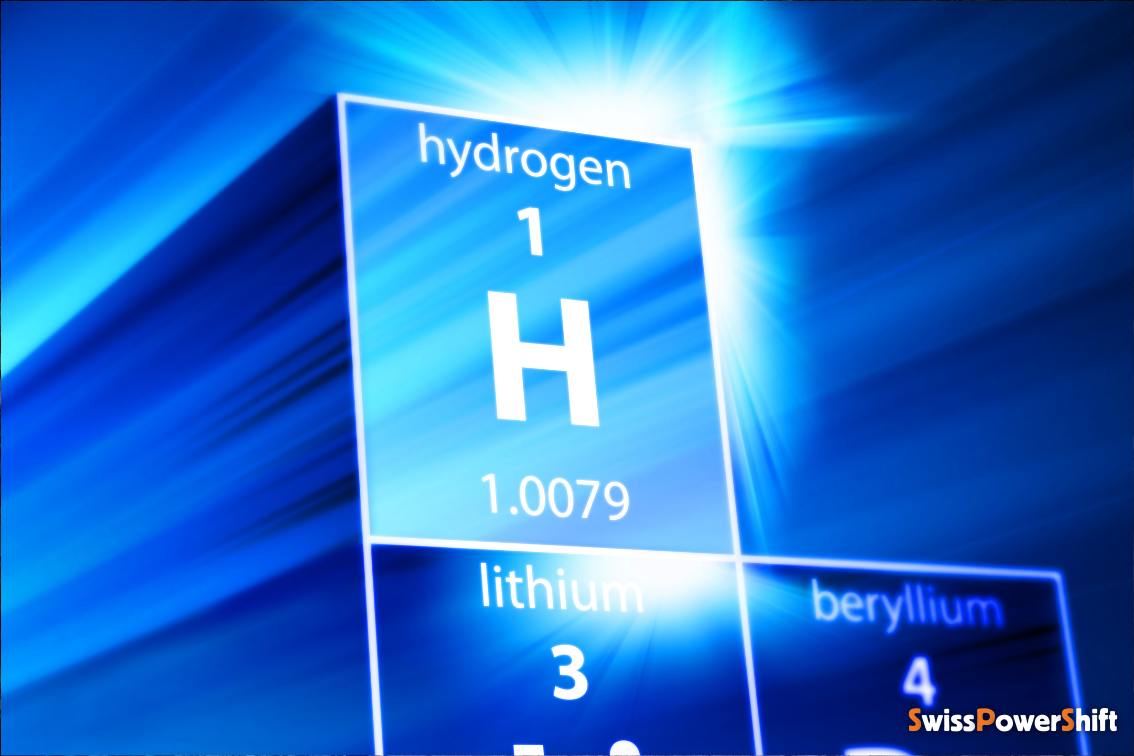
Because of its high efficiency and sustainability, hydrogen could play an important role in the energy transition. Aside from its industrial production, it exists naturally in the form of deposits that are still largely untapped. Explainer.
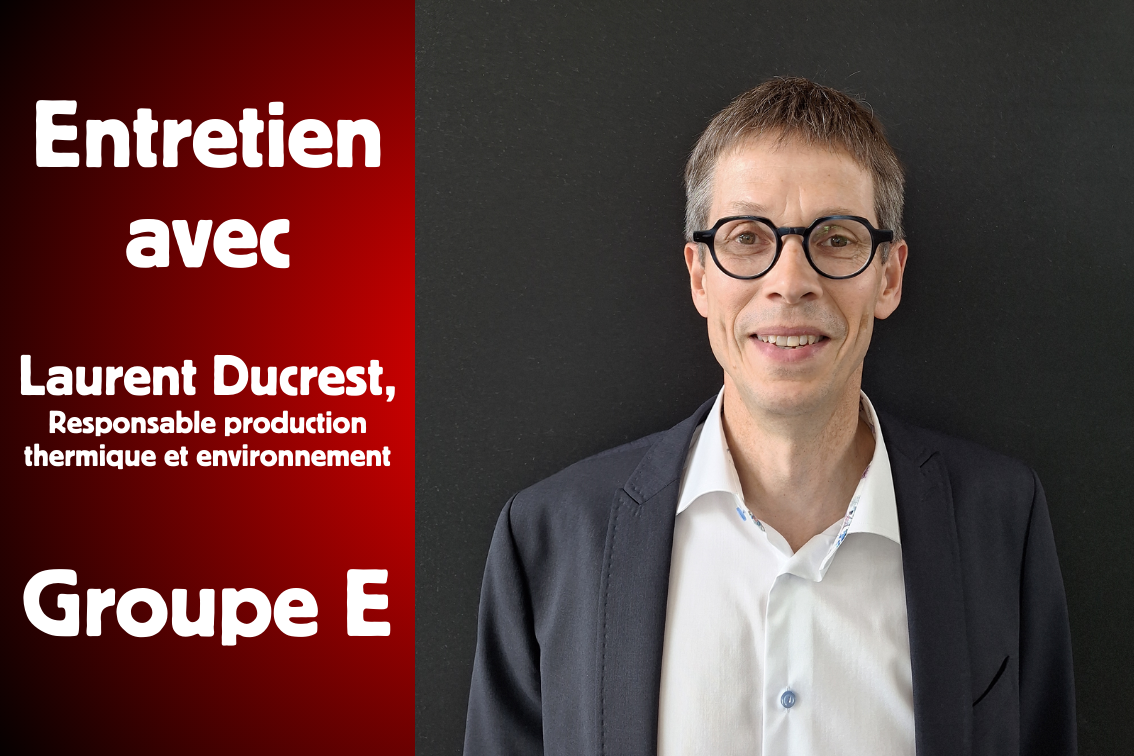
<p>Interview with Laurent Ducrest, Head of Thermal Production and Environment at Groupe E.</p>
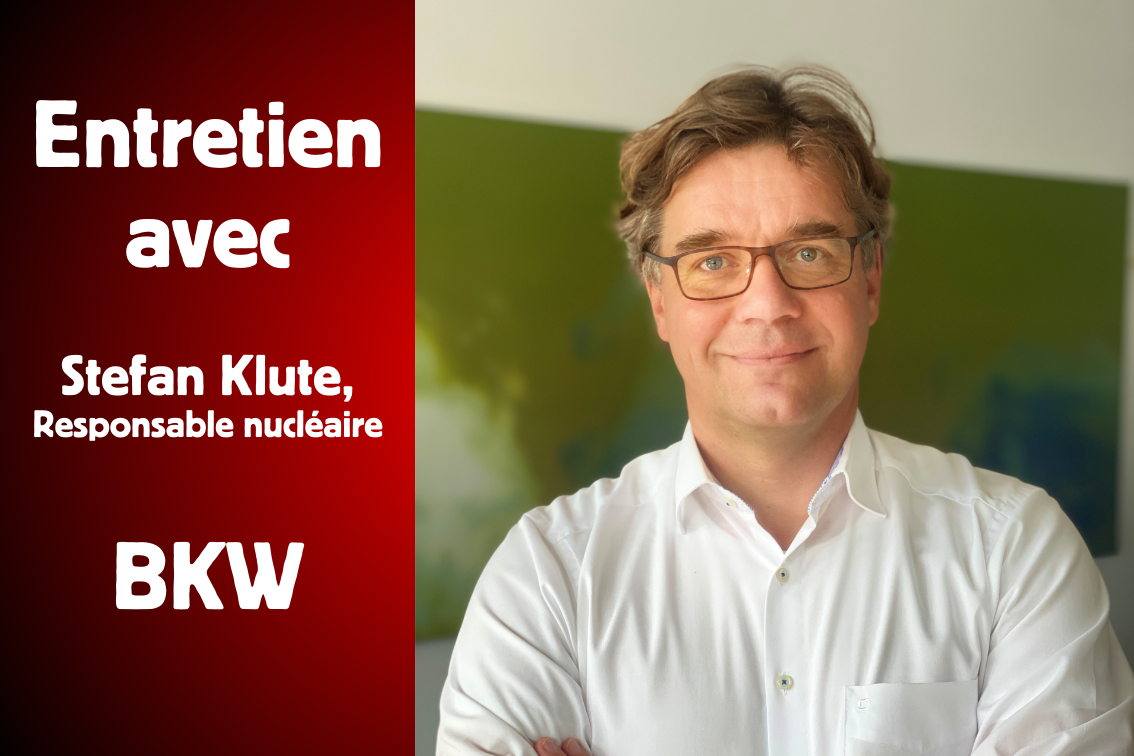
Interview with Stefan Klute, head of nuclear at BKW.
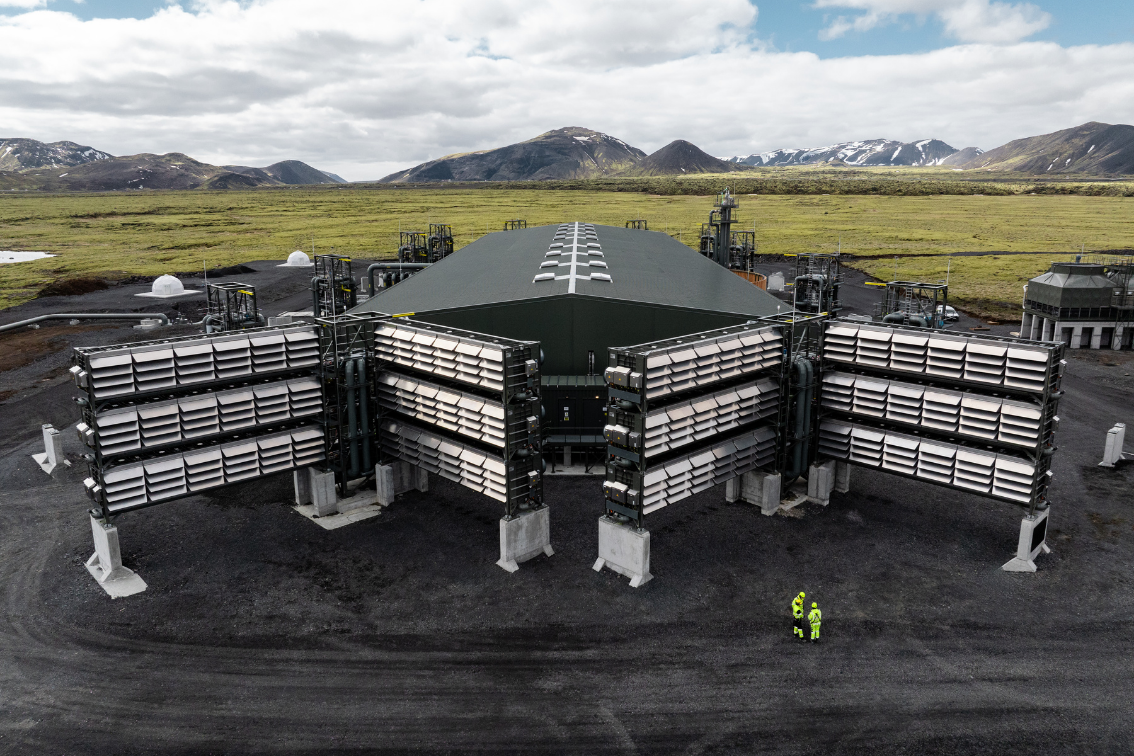
A recent study by the Swiss Federal Institute of Technology in Zurich has raised doubts about the feasibility of CO₂ storage in Switzerland. If in situ mineralization proves impossible, the solution lies in deeper reservoirs, within saline aquifers.

Instead of considering cuts to research funding and support for start-ups, the Confederation should invest more and accelerate the country's transition to renewable energies.
Already a member or subscriber? Simply enter your email address to receive instant access to the article. Enjoy!