"We no longer have any choice but to adapt to climate change"
Interview with Vincent Kaufmann, director of the Ethos Foundation.
At this stage, the investigations reveal an overvoltage problem that led to the failure, but do not yet allow its root cause to be identified.
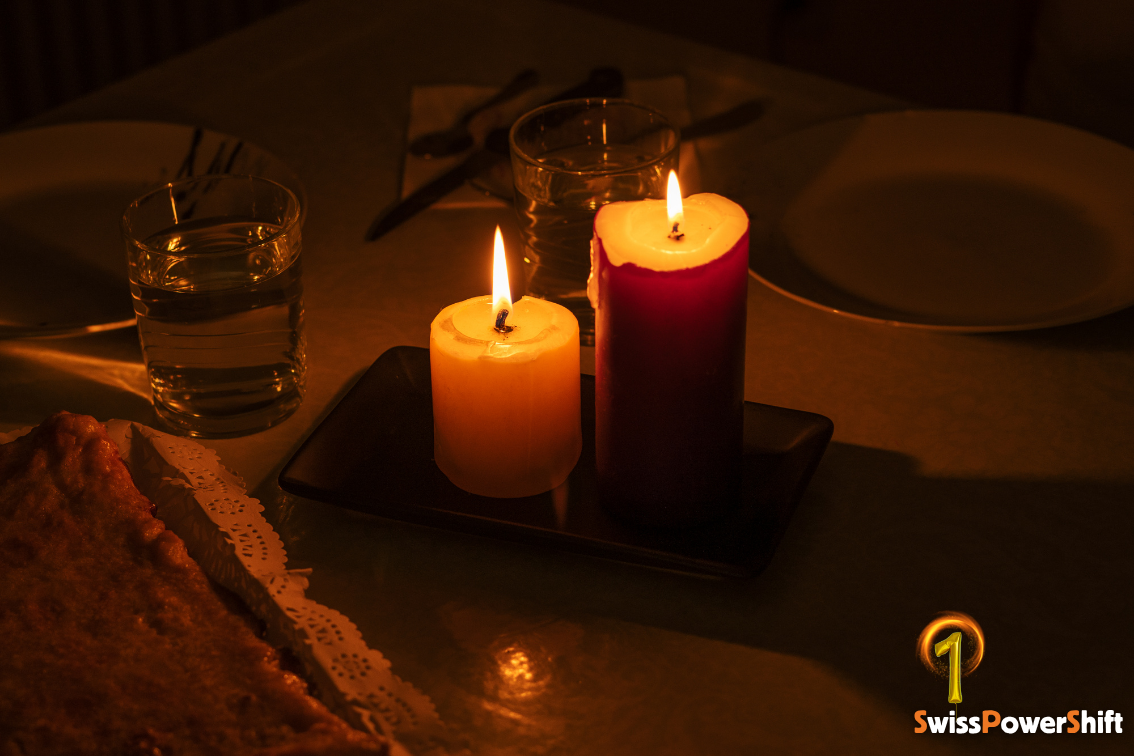
"Such an incident had never happened before in Europe, we are certain of it!" Presenting the second report on the mega power outage that wreaked havoc in Spain and Portugal last April, Damian Cortinas, chair of the ENTSO-E board, was categorical: "The most serious power outage Europe has experienced in the past twenty years was a first of its kind."
The expectations surrounding this new report were therefore particularly high — probably too high — given the areas of uncertainty that remain in the work carried out by the panel of 45 European experts mandated to understand the origin of the incident that occurred on April 28 at 12:33 (Spanish time). At this stage, investigations reveal an overvoltage problem that led to the outage, but do not yet allow the primary cause to be identified.
"It is an analysis of great technical complexity, requiring scientific work of great rigor," explains Nicolas Charton, CEO at E-CUBE Strategy Consultants. "However, the report was able to reconstruct the sequence of events: the electrical system experienced two significant episodes of power and voltage fluctuations. Although they remained within tolerated limits, some generators disconnected for reasons not identified at this stage. This was followed by a domino effect where other units disconnected and could not be compensated for by load shedding. This situation led to the complete collapse of the Iberian Peninsula's electrical system," the expert continues.
The October report does not currently establish any link between their renewable nature and the incident.
Why did the mechanisms intended to mitigate this overvoltage not work? This remains one of the main unresolved mysteries. The report rules out several hypotheses, notably that of a cyberattack or an obvious technical incident — like during the blackout in Italy in 2003, caused by a tree falling on a 400 kV line. It also confirms that the widespread outage "was not caused by an excessive dependence on renewable energies," contrary to what some analyses may have suggested.
"Certainly, the first plants to disconnect were, according to the report, solar or wind installations. However, the October report does not currently establish any link between their renewable nature and the incident. It can be added that the sequence of events focuses on technical parameters — notably voltage — which are not specific to renewable energies," notes Nicolas Charton.
So patience will still be required to learn the origin of the blackout. "As in aviation, it is important to realize that analyzing the 'black boxes' takes time — and then implementing the recommendations while accepting the associated cost," reminds the director of E-CUBE.
The group of experts announces that it will publish its final report in the first quarter of 2026. This should include a detailed analysis of the root causes of the incident, as well as recommendations aimed at preventing similar events in the European electrical system in the future.
This article has been automatically translated using AI. If you notice any errors, please don't hesitate to contact us.

Interview with Vincent Kaufmann, director of the Ethos Foundation.

"The summer of 2026 showed what inaction costs; the courts, for their part, have begun to say who must be held responsible for it," emphasize François de Cambiaire and Lydia Méziani, lawyers at de Cambiaire & Méziani Associates.

Interview with Mélanie Beyeler, Global Head of Sustainable Investing at EFG.
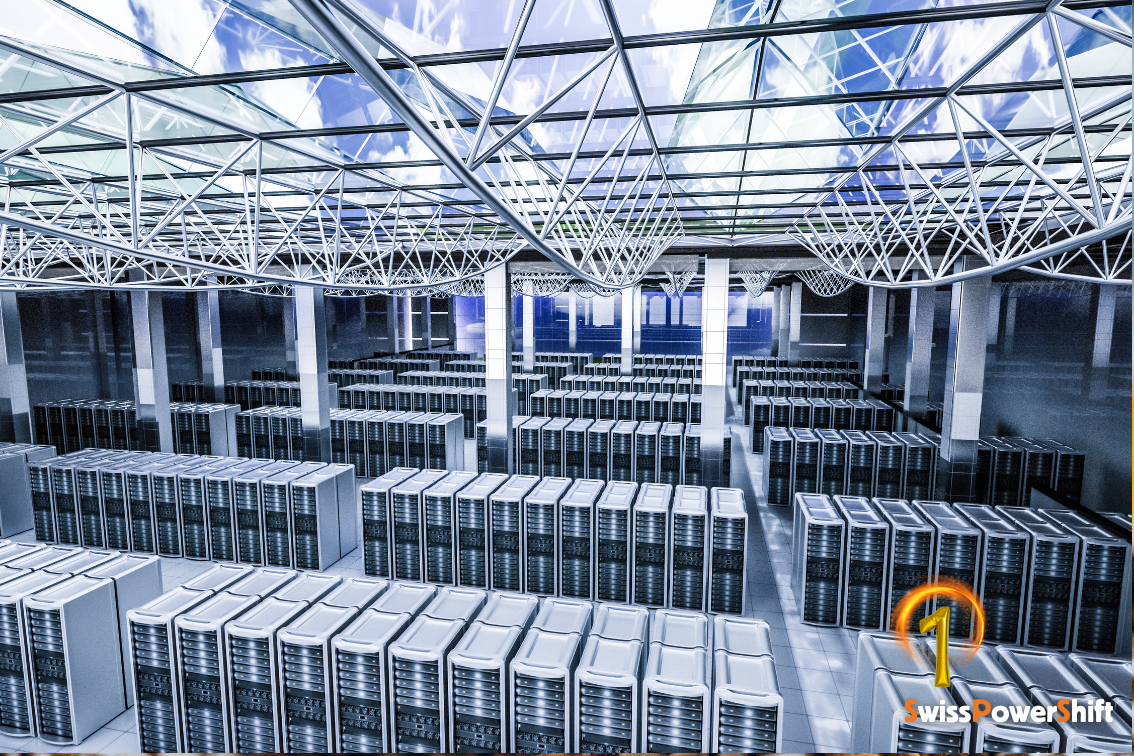
A recent Harvard study highlights close links between the rise of data centers and clean energy. Behind the algorithms lies a purely material reality: a demand for electricity that is skyrocketing and disrupting grids and the energy transition.
Already a member or subscriber? Simply enter your email address to receive instant access to the article. Enjoy!