"We no longer have any choice but to adapt to climate change"
Interview with Vincent Kaufmann, director of the Ethos Foundation.

"The summer of 2026 showed what inaction costs; the courts, for their part, have begun to say who must be held responsible for it," emphasize François de Cambiaire and Lydia Méziani, lawyers at de Cambiaire & Méziani Associates.

Since January 1, 2026, Switzerland is once again officially participating in the ITER project. We discuss this reintegration with Yves Martin, deputy director of the Swiss Plasma Center. Interview.
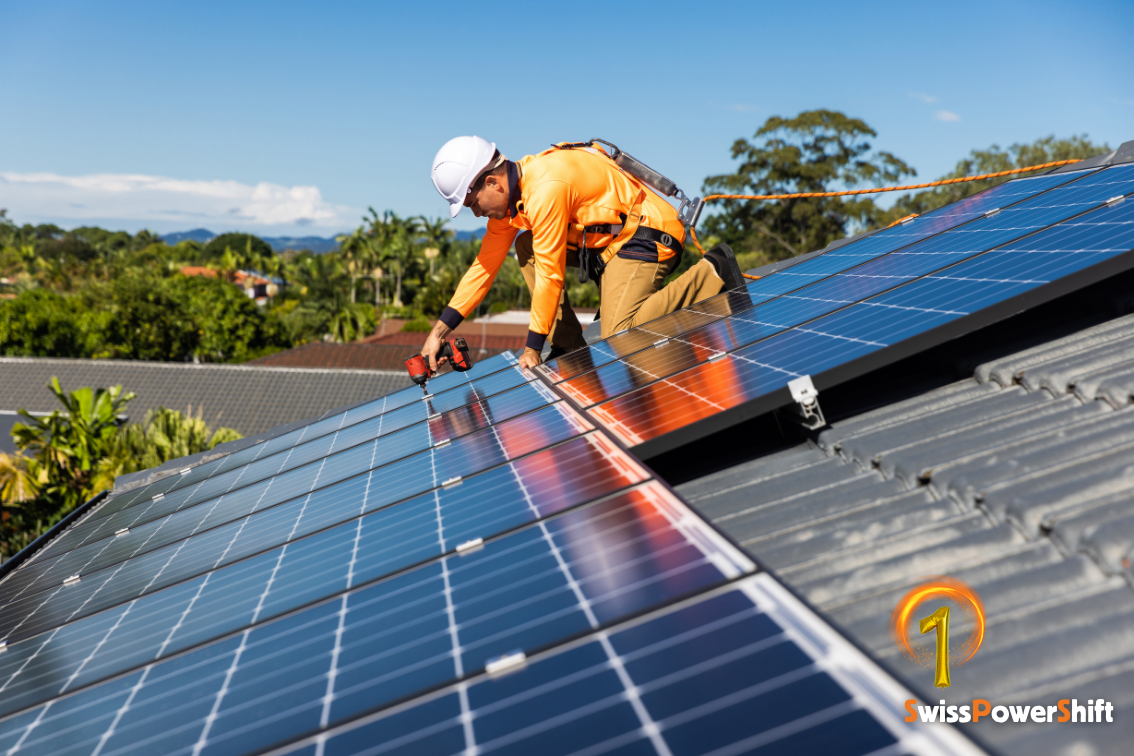
As fossil fuel prices soar, the bill proves to be less steep in Spain and Portugal, two countries ahead in the deployment of renewable energy.
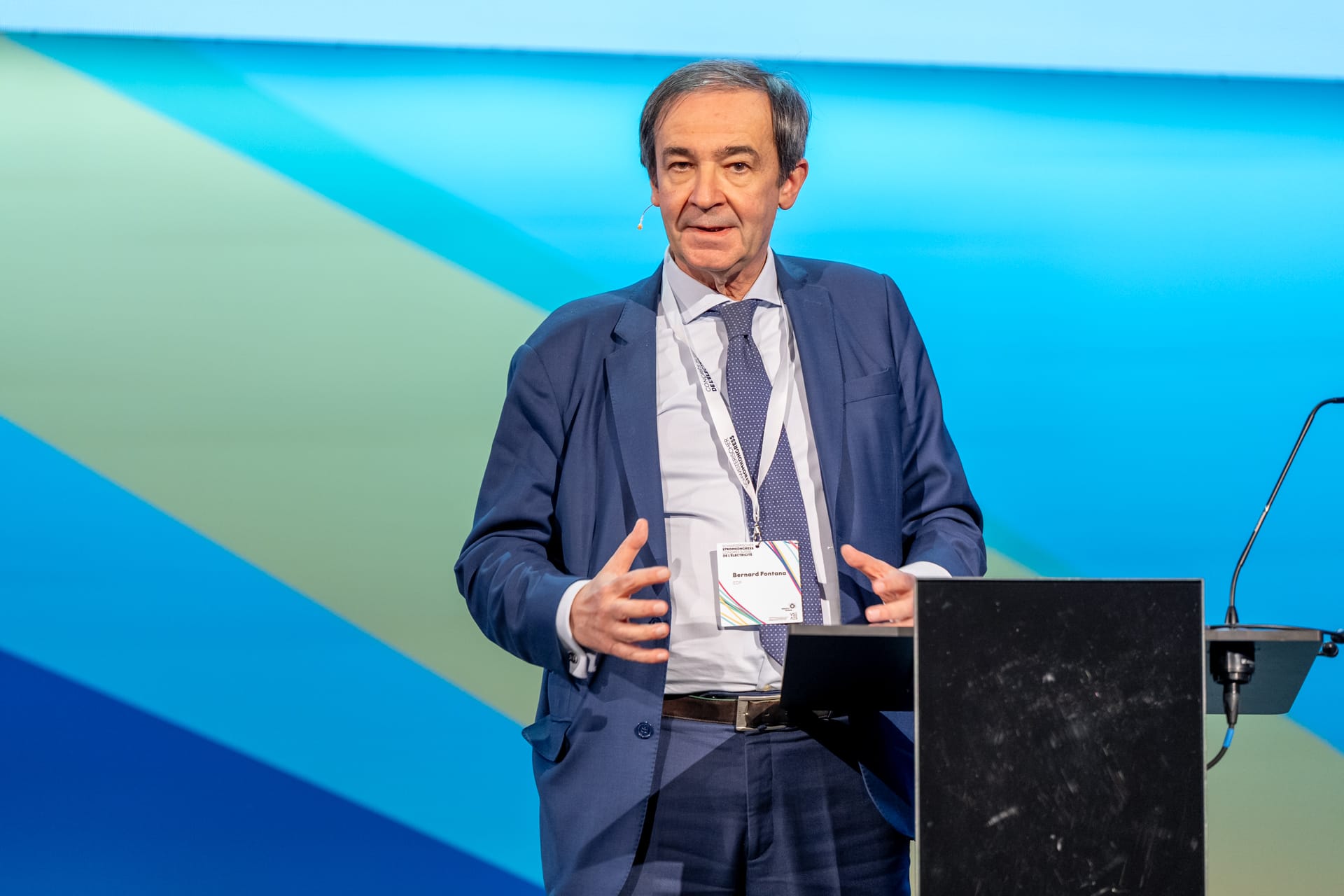
In his speech at the last Swiss Electricity Congress, Bernard Fontana said that the group he leads will be ready to meet Switzerland's needs for electricity imports, particularly during the winter period.

At this stage, the investigations reveal an overvoltage problem that led to the failure, but do not yet allow its root cause to be identified.

"As alarmist rhetoric proliferates, they share the common theme of the threat of a loss of control over a strategic domain for Switzerland," warns Dominique Rochat, Energy & Infrastructure Project Manager at Economiesuisse.
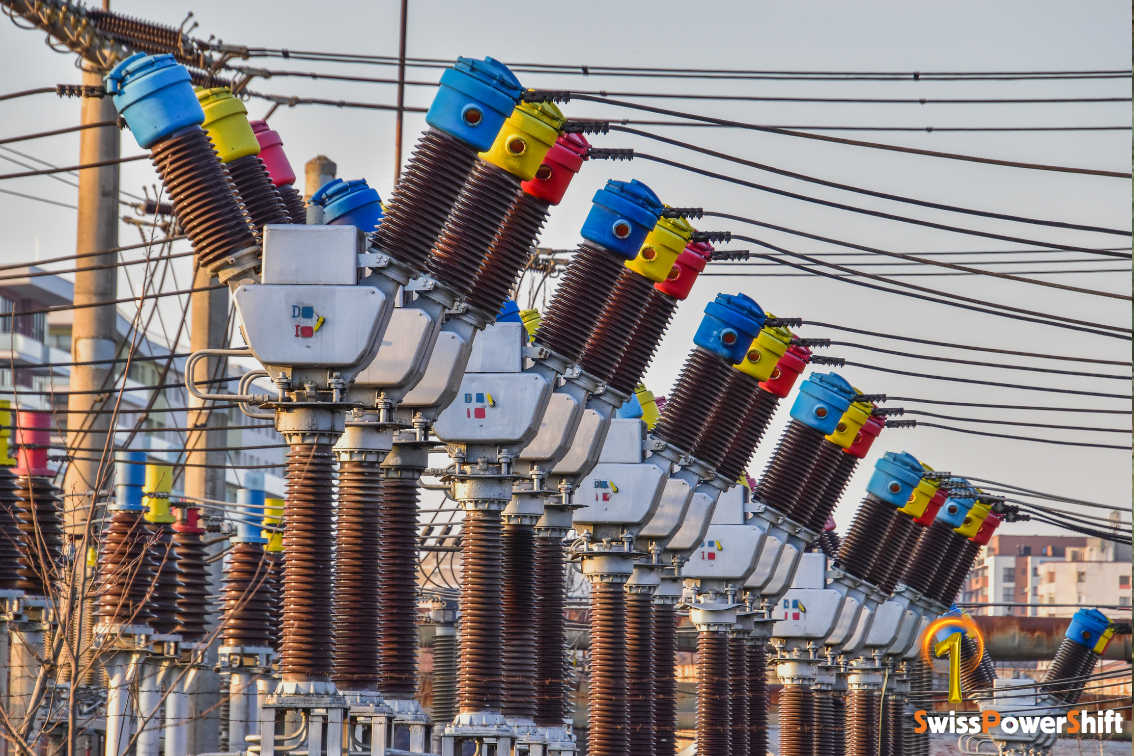
In principle, the agreement has the clear and explicit support of the industry. Its national implementation, however, raises greater reservations within the energy sector.

Interview with Michael Frank, CEO of the Association of Swiss Electricity Companies (AES).

Interview with Baptiste Leflaive, energy consultant at Colombus Consulting.

"The blackout in Spain has highlighted an urgent need: the robustness and proper management of electrical grids are indispensable to Europe's energy security," says Valentin Vigier, Head of Responsible Investment Research, La Financière de l’Échiquier (LFDE).

Interview with Ronny Kaufmann, Director General of Swisspower, a strategic alliance representing 19 municipal utilities and regional supply companies in Switzerland.

"Asserting the necessity of abolishing the CS3D amounts to ignoring an increasingly pressing reality: the future of European competitiveness is tied to the adoption of sustainable capitalism," explain François de Cambiaire and Lydia Méziani, lawyers at de Cambiaire & Méziani Associés.
Already a member or subscriber? Simply enter your email address to receive instant access to the article. Enjoy!