"We no longer have any choice but to adapt to climate change"
Interview with Vincent Kaufmann, director of the Ethos Foundation.

Let's be at least minimally honest with ourselves. Moving thousands of athletes and spectators to one or more regions of the world will never result in a 100% virtuous and eco-friendly outcome.

"The abandonment of the green hydrogen plant project by Romande Energie above all illustrates the conjunctural difficulties facing the hydrogen sector, particularly in Switzerland, and, to a lesser extent, in Europe and the United States," explains Simon Siggen for the Nomads Foundation.

Relying on a new methodology, a recent study aims to address a shortcoming: the insufficient amount of empirical evidence allowing a systematic link to be established between ESG criteria and financial performance in real estate.
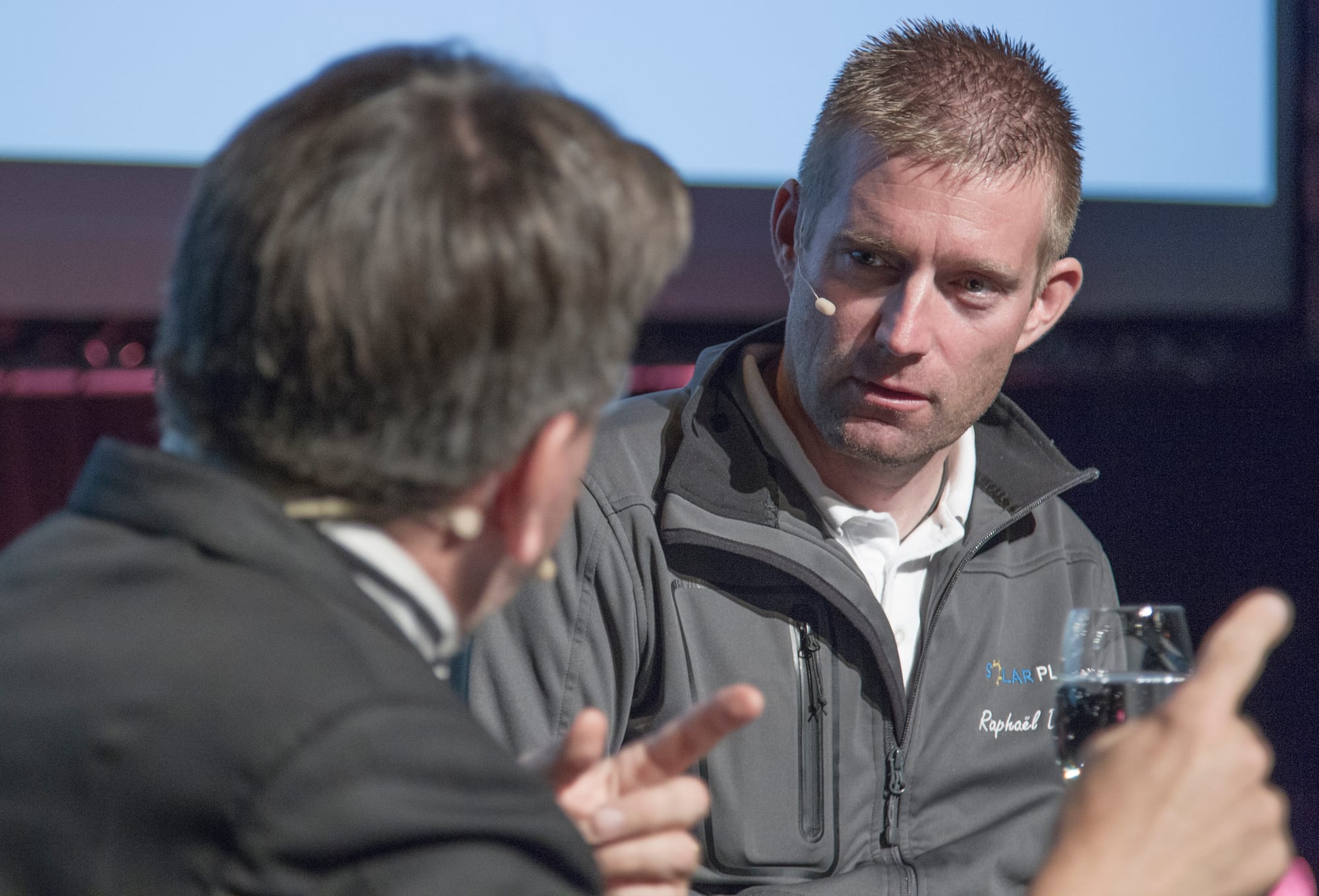
Altitude record with SolarStratos, tour of Lake Titicaca aboard PlanetSolar II: in 2025, Raphaël Domjan once again pushed the boundaries of solar energy. Interview

"For SMEs and micro-enterprises, which make up a large majority of the Swiss economic fabric, the transition is no longer a mere environmental option, but a strategic necessity to ensure our prosperity," says Christophe Barman, national co-president of the FSE.

Responding to a recent survey conducted by Comparis on Swiss real estate, Sascha Nick, a researcher at EPFL's Laboratory of Environmental and Urban Economics, says that "Switzerland is not suffering from a housing shortage."
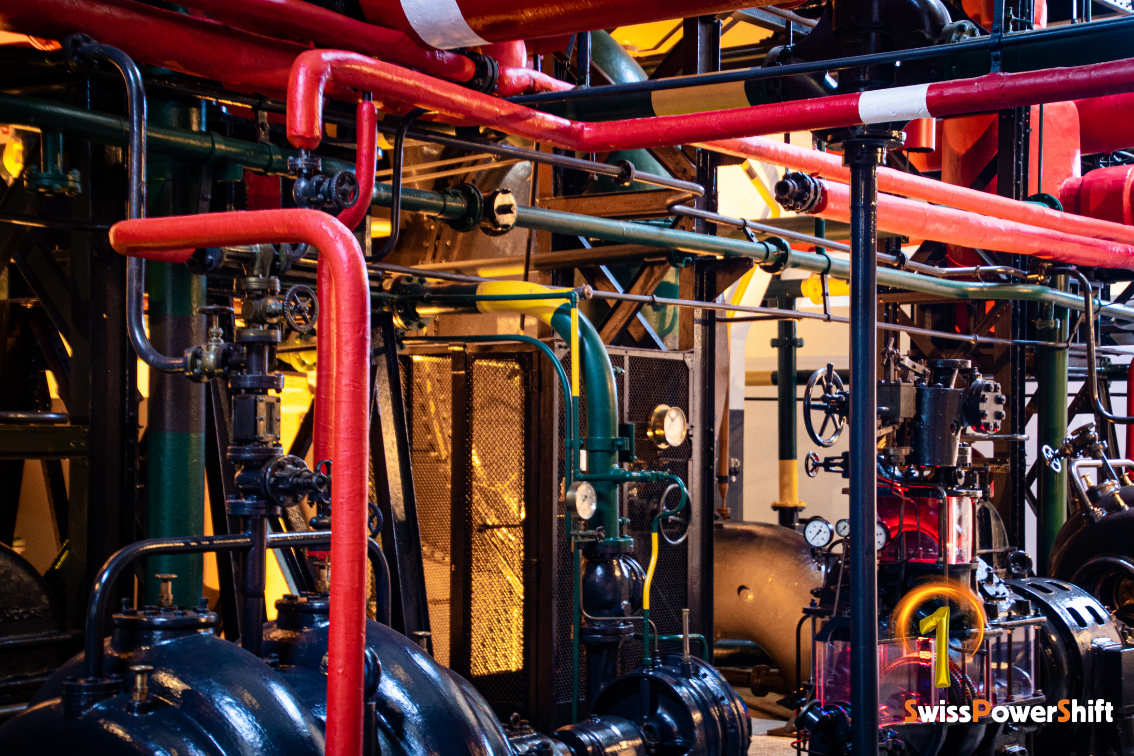
With its OPERA project, CSEM sought to improve the energy management of multi-family residential buildings by coordinating three elements: photovoltaic production, the heat pump, and the heat distribution system (radiator valves or underfloor heating).

"If Switzerland is not legally bound by the EU's decisions, it is very likely that we will also move towards a similar postponement of the zero-emission target for 2035," laments Geoffrey Orlando, head of French-speaking Switzerland at Swiss eMobility.

According to the latest report from the think tank Ember, the combined output of these two renewable energy sources accounted for about 30% of electricity produced in Europe in 2025, compared with 29% for all fossil fuels.
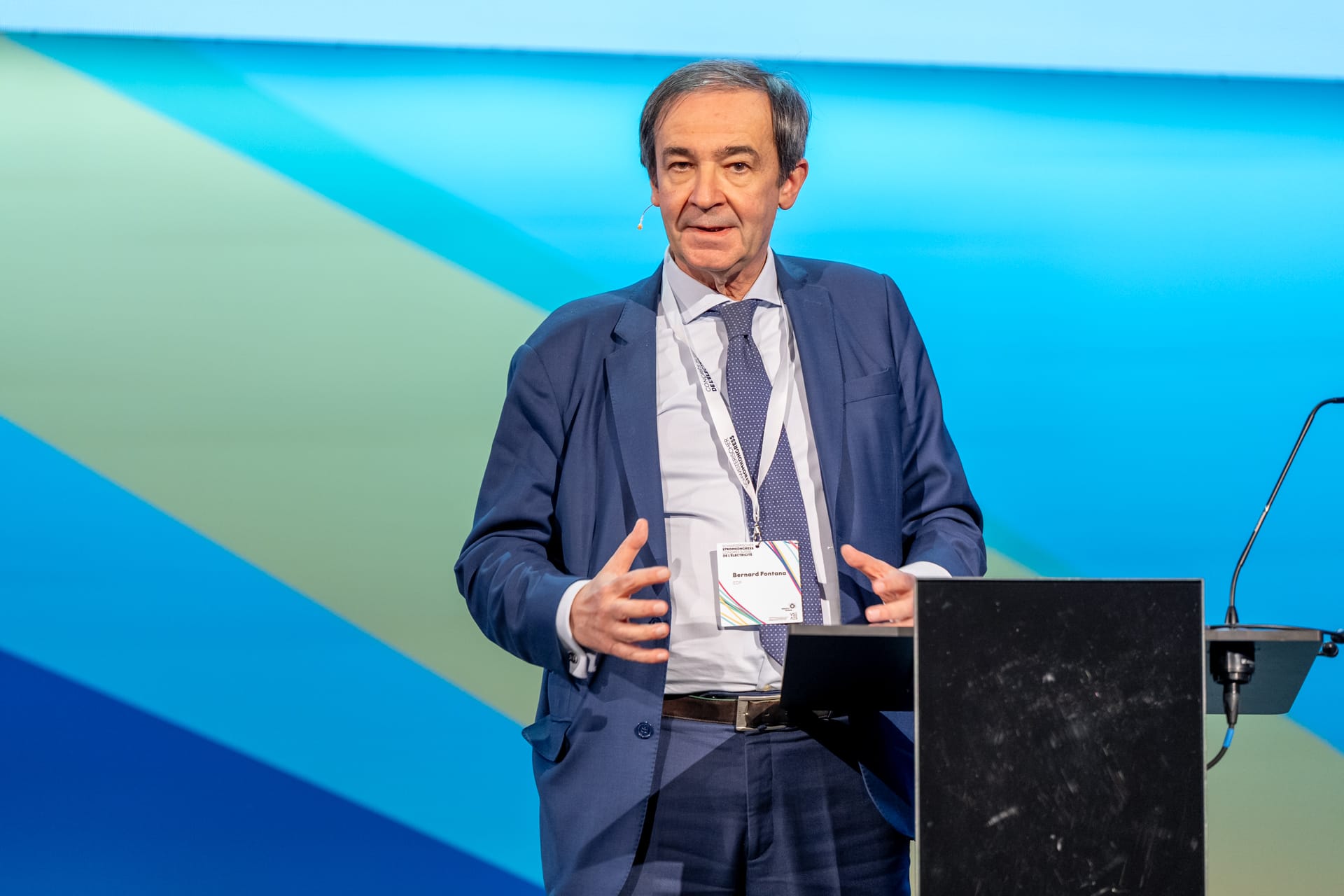
In his speech at the last Swiss Electricity Congress, Bernard Fontana said that the group he leads will be ready to meet Switzerland's needs for electricity imports, particularly during the winter period.

"In the current economic climate, we could not take on the role of driving this sector forward on our own," explains Jérémie Brillet. Head of strategic developments at Romande Energie, he nevertheless assures that the DSO remains "attentive to its evolution."

Interview with Nadine Brauchli, Nadine Brauchli, Head of Energy at the Association of Swiss Electricity Companies (AES).
Already a member or subscriber? Simply enter your email address to receive instant access to the article. Enjoy!