"We no longer have any choice but to adapt to climate change"
Interview with Vincent Kaufmann, director of the Ethos Foundation.

"If Switzerland is not legally bound by the EU's decisions, it is very likely that we will also move towards a similar postponement of the zero-emission target for 2035," laments Geoffrey Orlando, head of French-speaking Switzerland at Swiss eMobility.

According to the latest report from the think tank Ember, the combined output of these two renewable energy sources accounted for about 30% of electricity produced in Europe in 2025, compared with 29% for all fossil fuels.
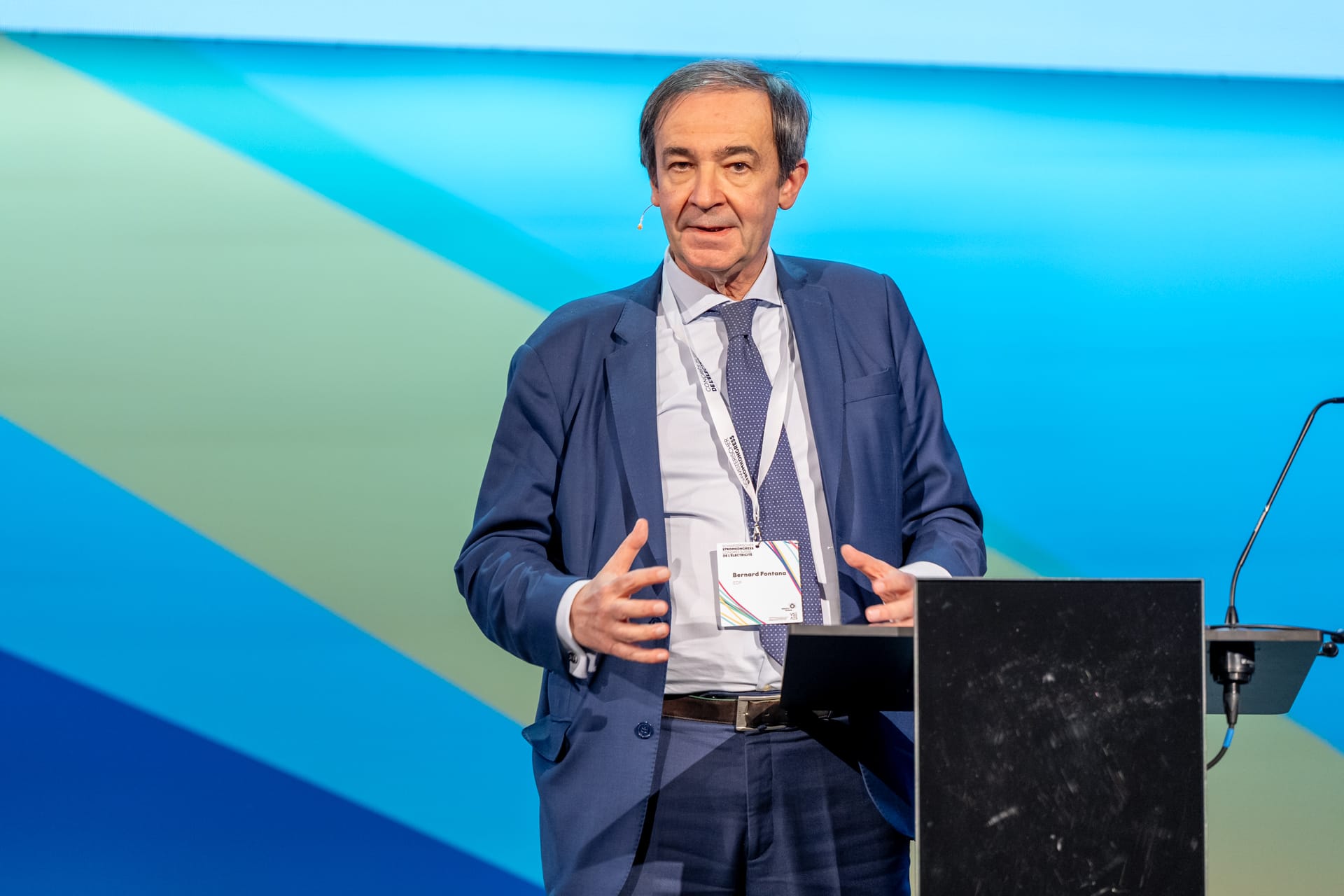
In his speech at the last Swiss Electricity Congress, Bernard Fontana said that the group he leads will be ready to meet Switzerland's needs for electricity imports, particularly during the winter period.

Published for the first time by the AES, this tool dedicated to the security of the electricity supply paints a potentially critical picture of the country's situation within a quarter of a century.

According to Michael Frank, director of the Association of Swiss Electricity Companies (AES), "it is crucial to keep the energy transition at the heart of public debate and, above all, to accelerate the concrete implementation of projects."

A consortium led by the company GRZ Technologies, the Federal Office of Energy (OFEN) and The Ark Foundation has developed a hydrogen compressor using heat instead of electricity. A promising technology but with limited concrete potential.

At the end of November, an expert report commissioned by the Energy Foundation claimed that the Gösgen nuclear power plant had been affected by a safety flaw since it began operating in 1979. We discuss the issue with Andreas Pautz and Mathieu Hursin, two specialists working at EPFL's LRS.

"In 2025, all of the batteries presented at SNEC Storage in Shanghai were LFP, a sign that this chemistry has established itself as the new standard," says Lionel Perret, head of the renewable energy sector at Planair.
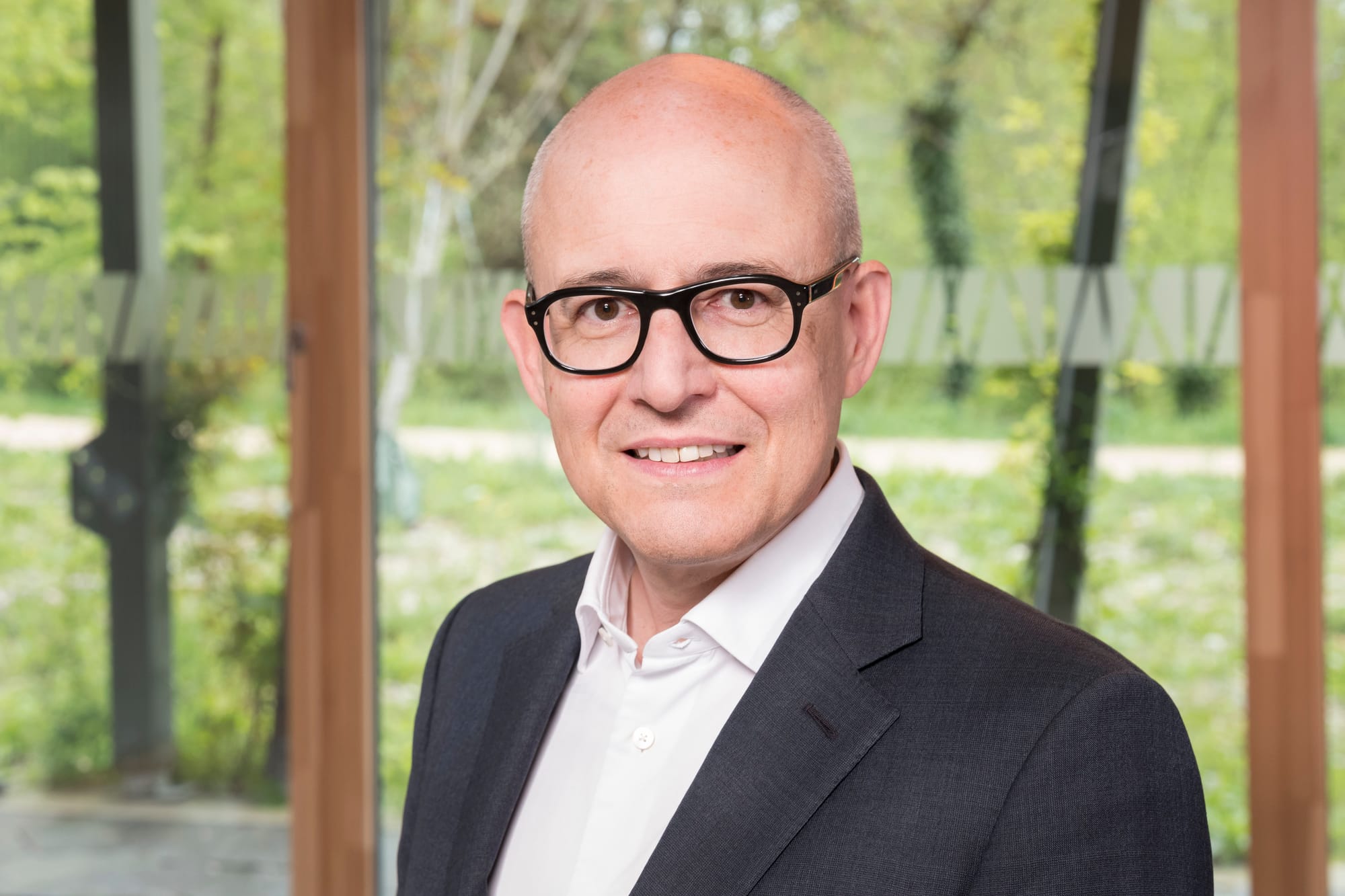
"Today, 70% of our results come from abroad, while 70% of our investments are made in our historic service territory in Switzerland," says Cédric Christmann, Chief Executive Officer of Primeo Energie.
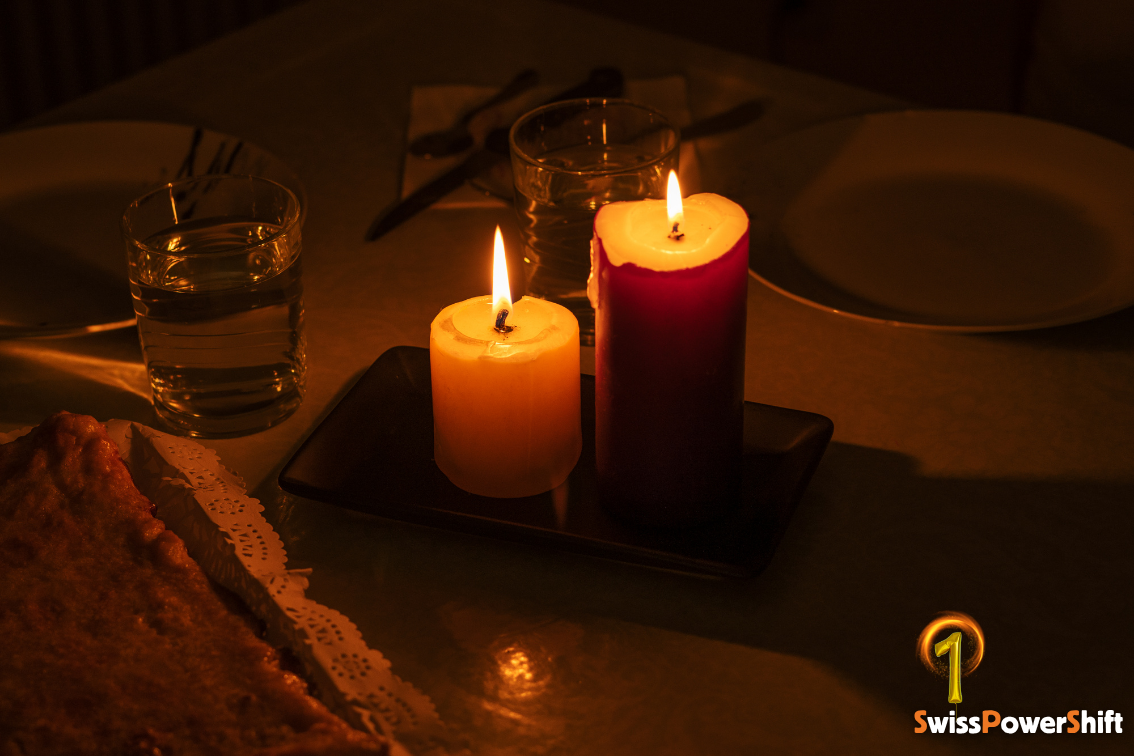
At this stage, the investigations reveal an overvoltage problem that led to the failure, but do not yet allow its root cause to be identified.

"As alarmist rhetoric proliferates, they share the common theme of the threat of a loss of control over a strategic domain for Switzerland," warns Dominique Rochat, Energy & Infrastructure Project Manager at Economiesuisse.

"When economic obligations systematically result in losses without those costs being recognized, a fundamental question arises: is this compatible with the economic freedom protected by the Constitution?" asks Michael Frank, CEO of the AES.
Already a member or subscriber? Simply enter your email address to receive instant access to the article. Enjoy!