"We no longer have any choice but to adapt to climate change"
Interview with Vincent Kaufmann, director of the Ethos Foundation.

At the end of November, an expert report commissioned by the Energy Foundation claimed that the Gösgen nuclear power plant had been affected by a safety flaw since it began operating in 1979. We discuss the issue with Andreas Pautz and Mathieu Hursin, two specialists working at EPFL's LRS.

"In 2025, all of the batteries presented at SNEC Storage in Shanghai were LFP, a sign that this chemistry has established itself as the new standard," says Lionel Perret, head of the renewable energy sector at Planair.

The scientists of the GlaMBIE project estimate that between the beginning of the 21st century and today, glaciers have lost between 2% and 39% of their ice mass at the regional scale, and about 5% at the global scale.
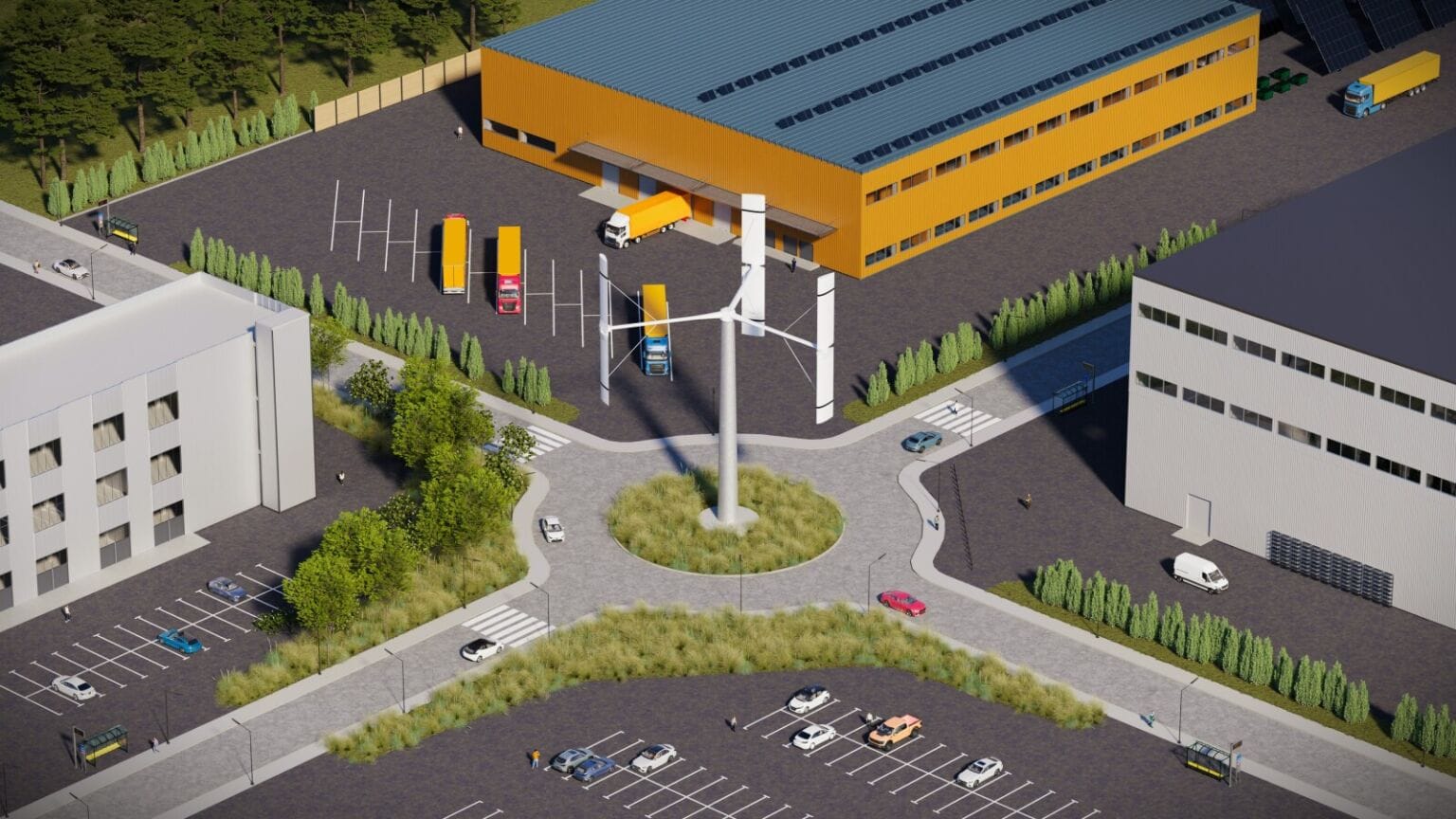
Spin-off of EPFL, the start-up has set itself an ambitious mission: to make wind energy compatible with professional activity zones thanks to smaller, quieter turbines equipped with vertical-axis blades.

"We call for clear market signals, a coherent framework and better valuation of renewable electricity injected into the grid," explain Cécile Theumann and Martial Bujard, co-directors of the ADER.

The disappointing conclusions of the latest COP raise questions about the very model of these large international meetings. A discussion with Delia Berner, an international climate policy analyst, and another member of the Swiss delegation, a representative of civil society.

Despite the emergence of counter-movements, the success of this great celebration of overconsumption remains undiminished. On the contrary, it has definitively established itself in Switzerland as in the rest of Europe.

In a new report titled "Global Tipping Points", scientists estimate that the window for action to prevent certain harmful and irreversible tipping points is closing rapidly.

Interview with Léonore Hälg, head of the Renewable Energy and Climate sector at the Swiss Energy Foundation.

"Brazil wants to steer the negotiations toward 'implementation', in other words to move from commitments to action," stresses Pierrette Rey, spokesperson for WWF Switzerland.
As COP30 unfolds and leaders, experts, and civil-society actors once again debate how to speed up the transition and tackle global warming, one idea is resurfacing: consuming less energy. Here’s why.

"If the Federal Council is now considering abolishing the program — or at least withdrawing the federal contribution — it is mainly because of the windfall effects it generates," explains Philippe Thalmann, professor of environmental economics at EPFL.
Already a member or subscriber? Simply enter your email address to receive instant access to the article. Enjoy!