"We no longer have any choice but to adapt to climate change"
Interview with Vincent Kaufmann, director of the Ethos Foundation.
Exclusive pieces by our journalists.

To the manifest detriment of their green transition, the giants of the sector have set off again in search of new wells of gold… still as black as ever.
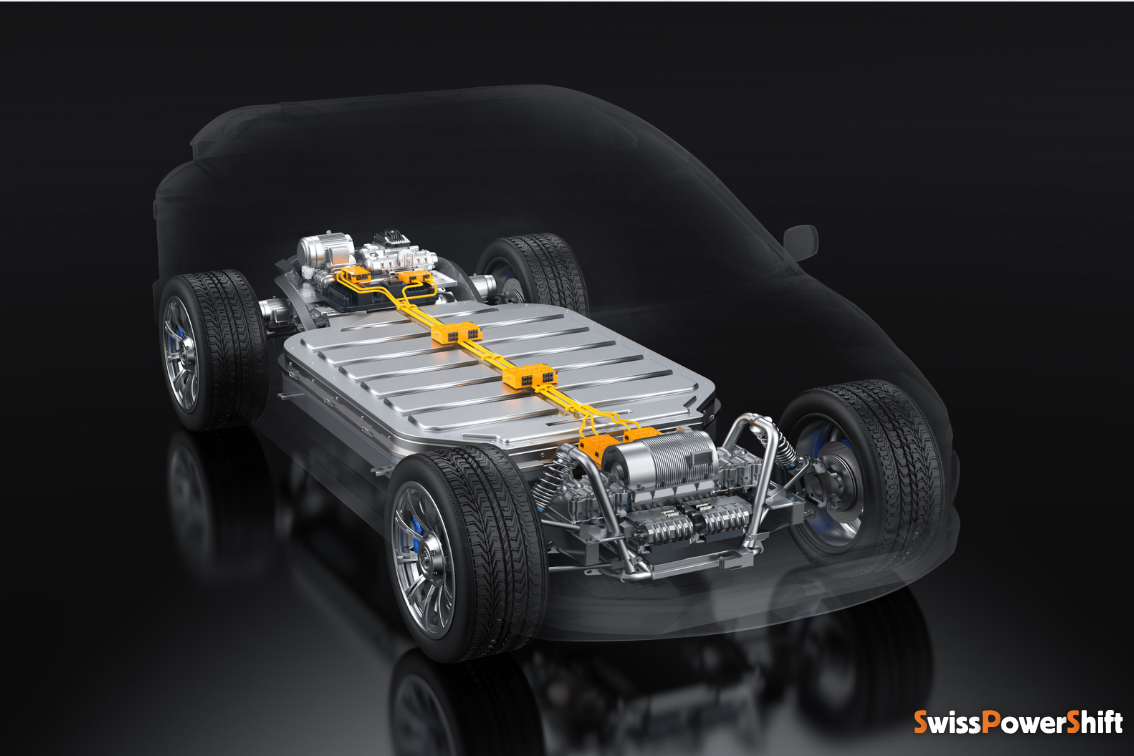
Abandoned by Tesla a decade earlier, battery swapping has not yet said its last word. The system is making a comeback in the West through Chinese manufacturers like Nio or the battery king, the giant CATL.
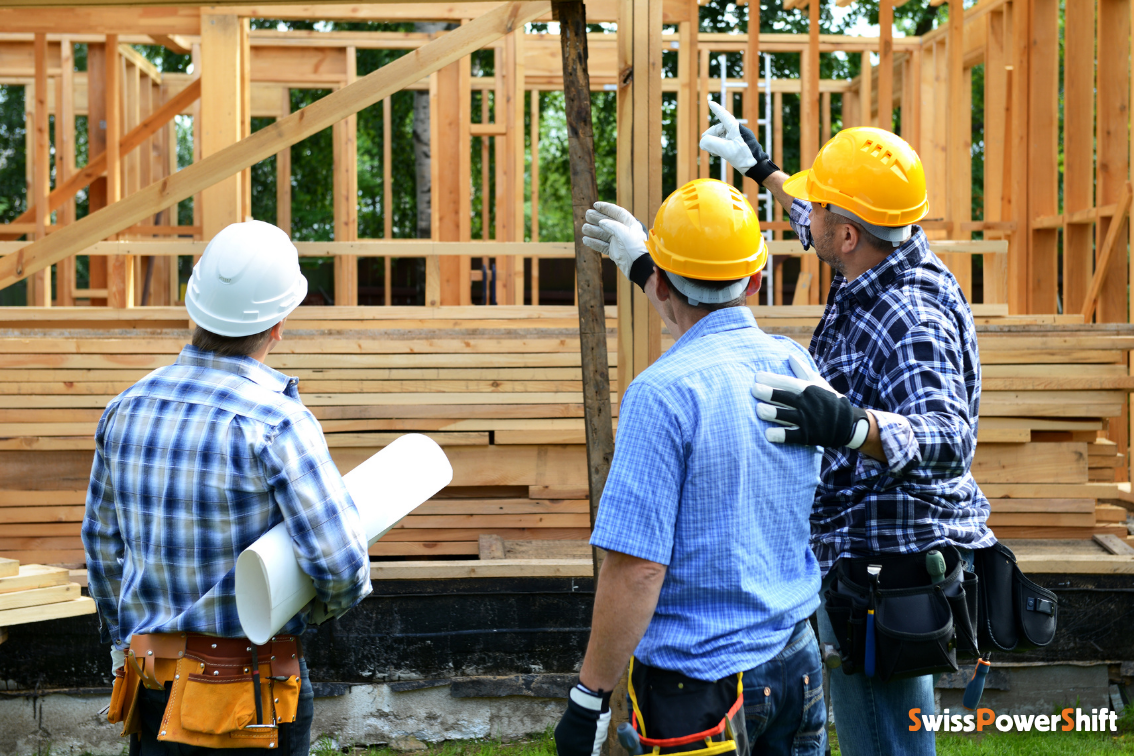
Switzerland's energy strategy aims for a significant reduction in the consumption of the building stock, from 90 TWh currently to 65 TWh by 2050.
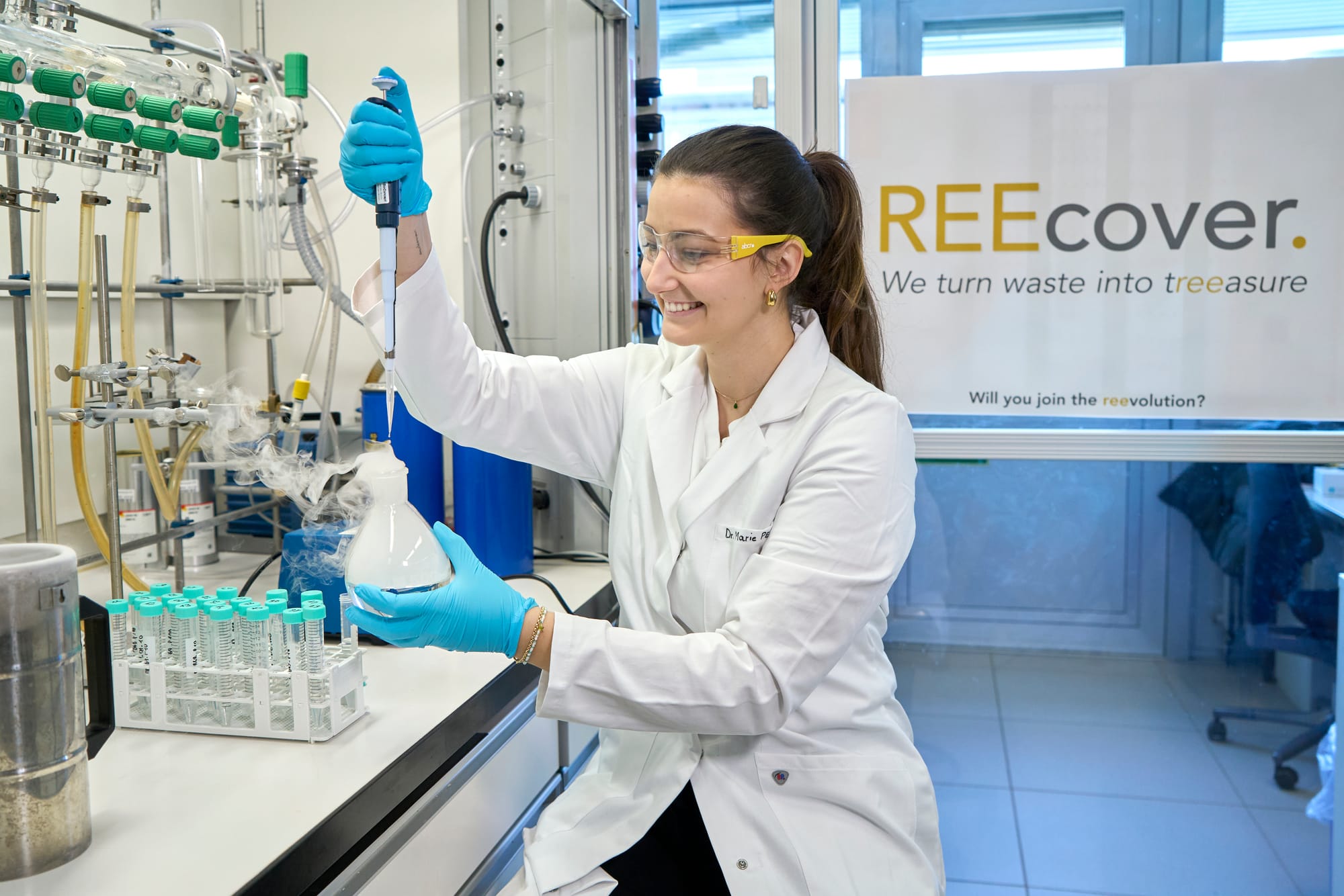
A 28-year-old French-American, the EPFZ researcher has been rewarded for her method that allows europium — a critical metal used in fluorescent lamps and screens — to be recovered in a cleaner, simpler and more sustainable way. Profile.
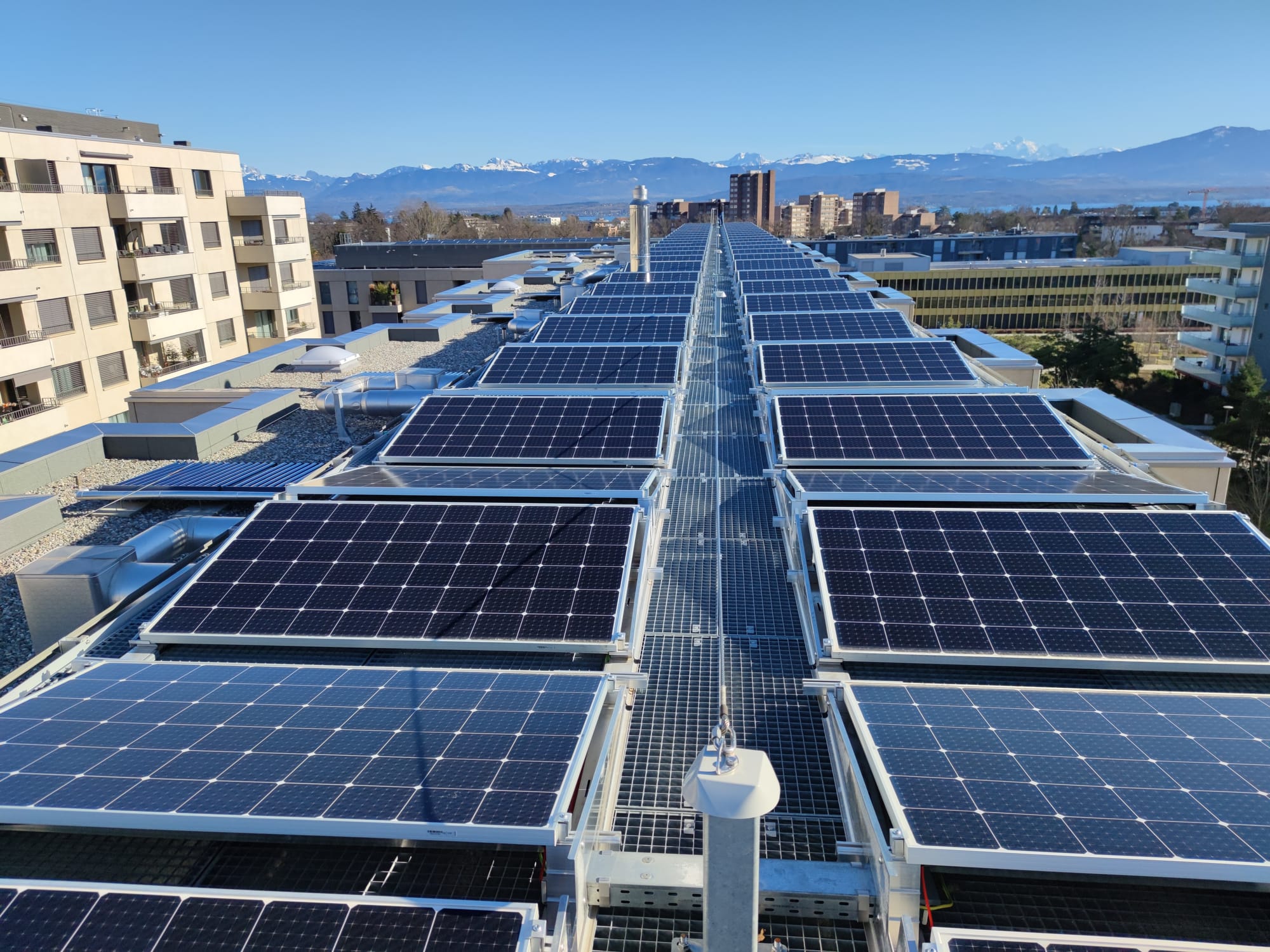
Analysis of surface areas, planning and supervision of works, monitoring, maintenance, billing of energy to tenants... the company Local Energy takes care of everything. "We like to define ourselves as a sort of energy utility," explains its director, Richard Mesple.
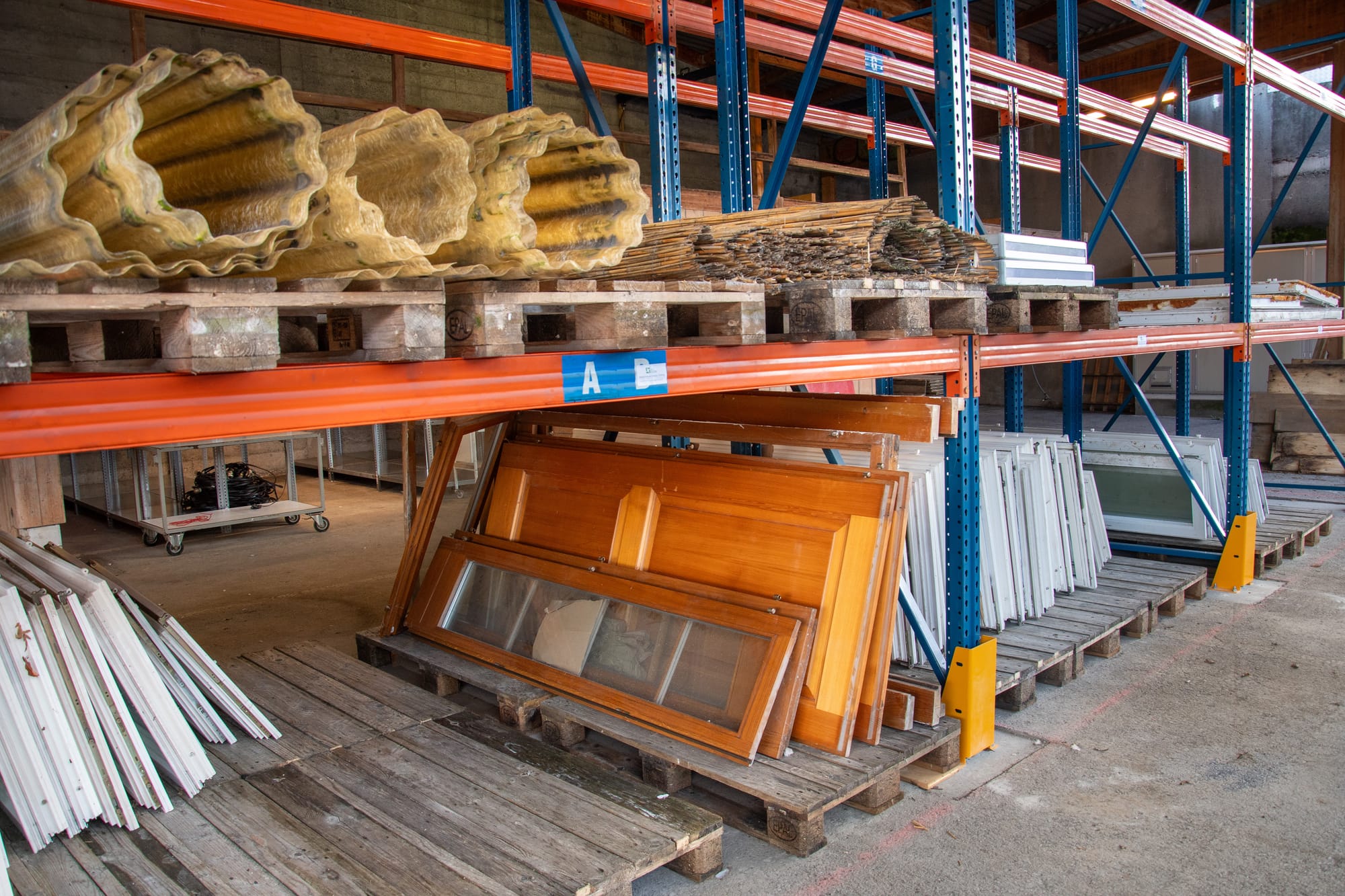
With the recent opening of the Ressourcerie Matériuum Lausanne, French-speaking Switzerland strengthens a key link in the reuse chain: that of storage, repurposing and awareness-raising around construction materials.
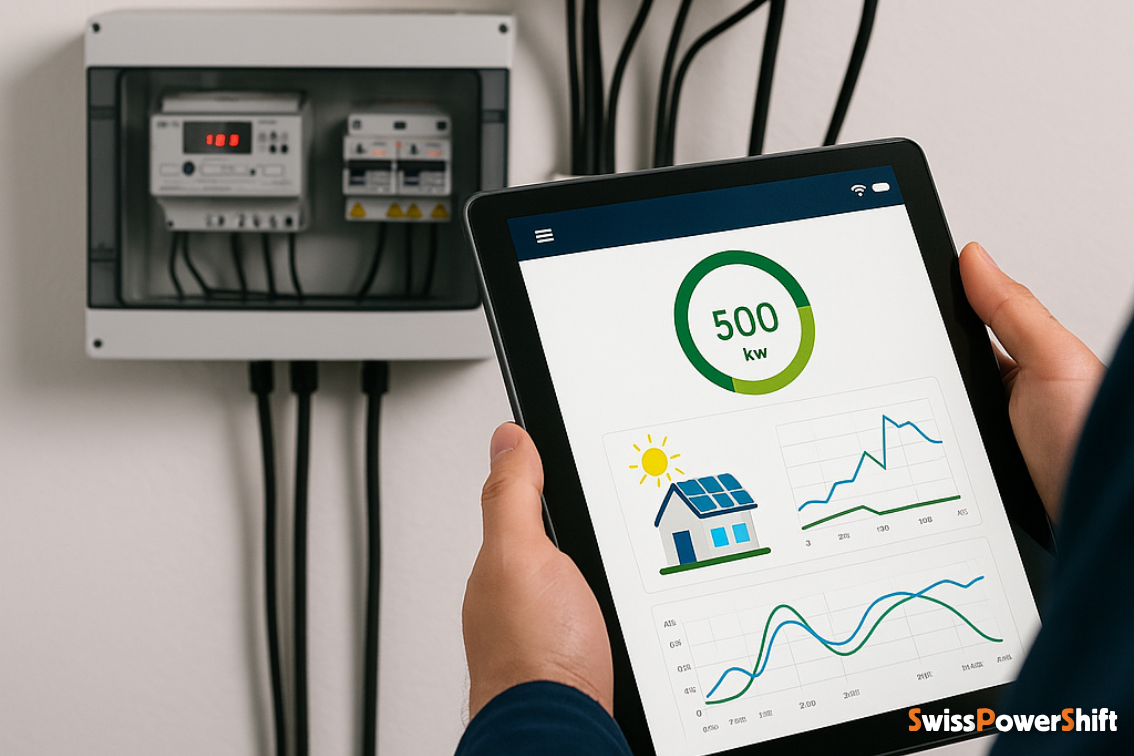
In response to the growth of photovoltaic installations in Switzerland, numerous platforms and matchmaking solutions connecting property owners and installers have emerged. They offer personalized support to guide owners through their solar projects.
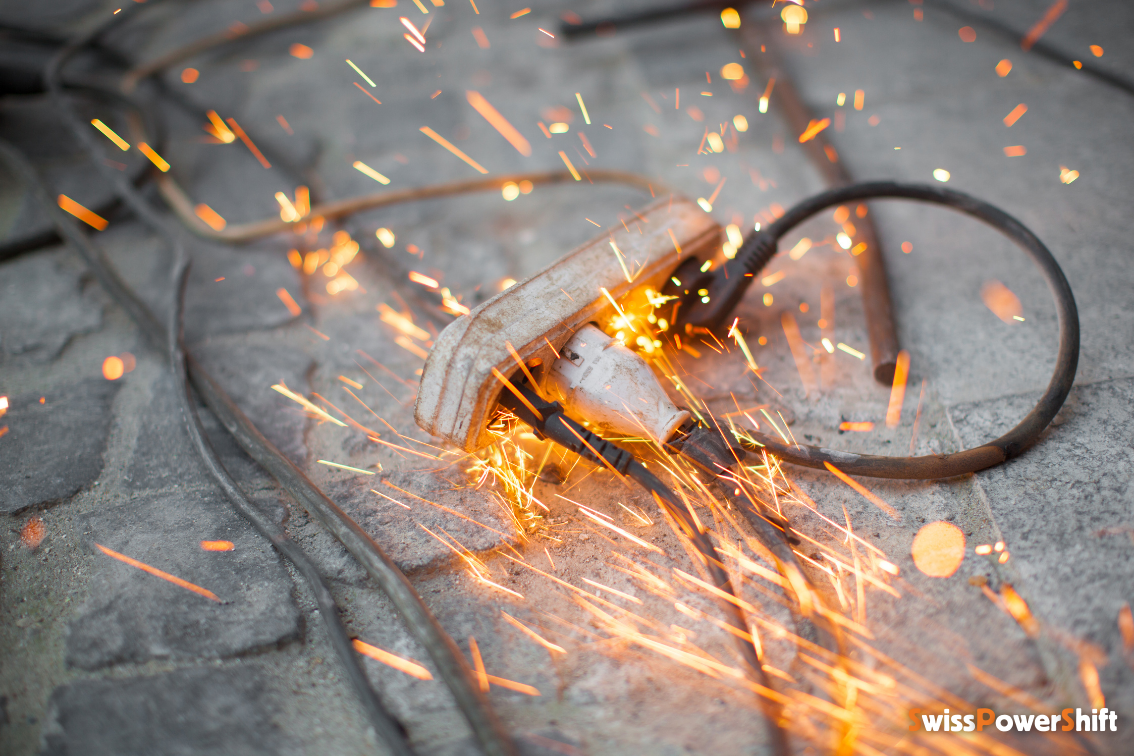
Intermittent and non-dispatchable, renewable energy sources can cause sudden and significant variations in production, creating imbalances between supply and demand on the electrical grid.
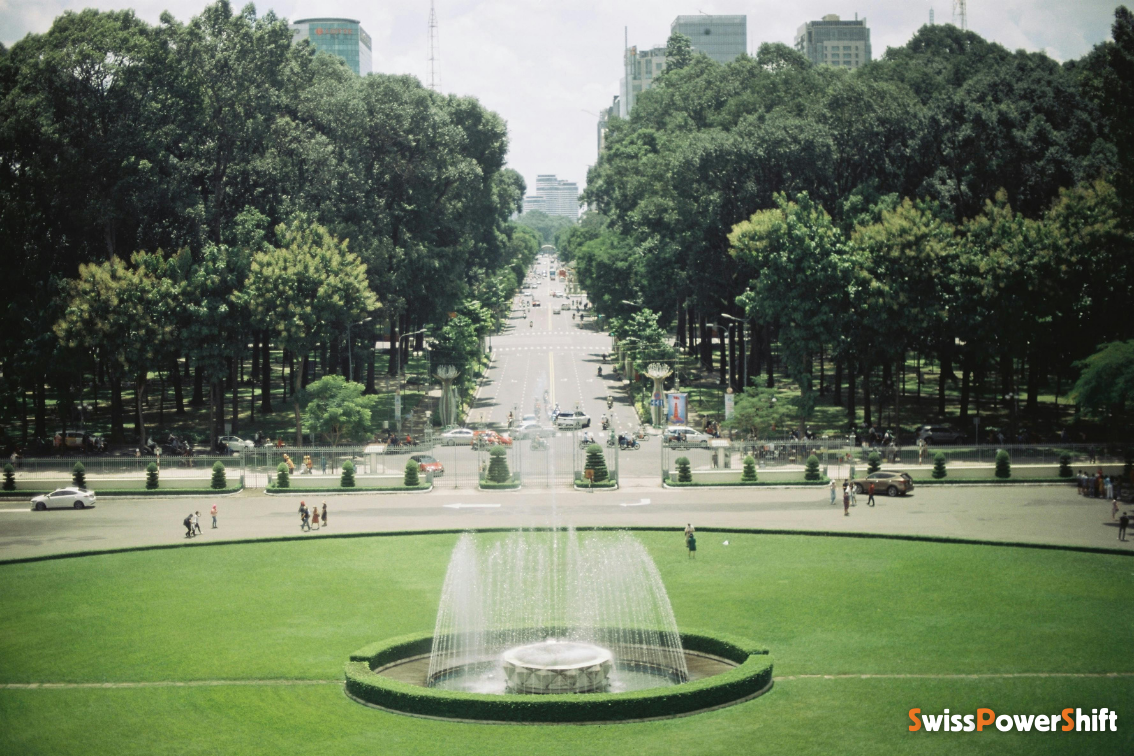
During the summer, and especially during heat waves, cities become real heat islands. Aware of the risks this poses to health, cities are thinking about how to transform their public spaces.
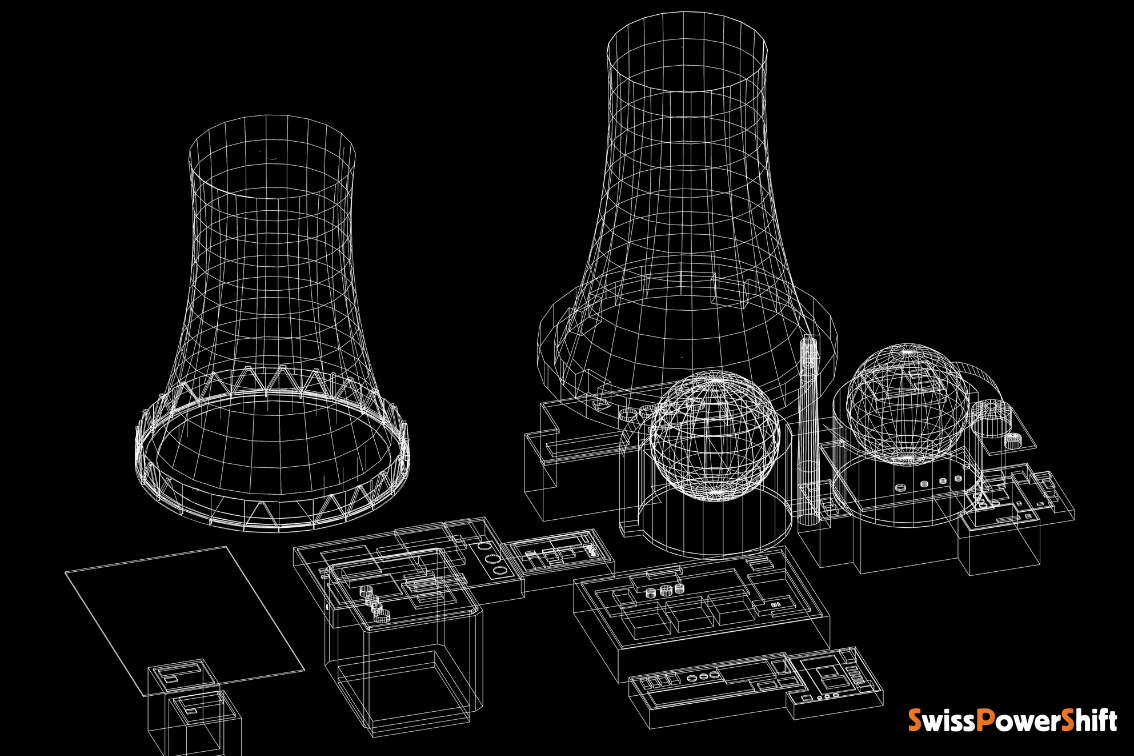
Two opposing models are facing off. On the one hand, high-power reactors such as EPRs, which rely on the centralization of production with high-power units; on the other hand, modern, small reactors with an electrical capacity ranging between 10 MW and 300 MW.
Because of its high efficiency and sustainability, hydrogen could play an important role in the energy transition. Aside from its industrial production, it exists naturally in the form of deposits that are still largely untapped. Explainer.
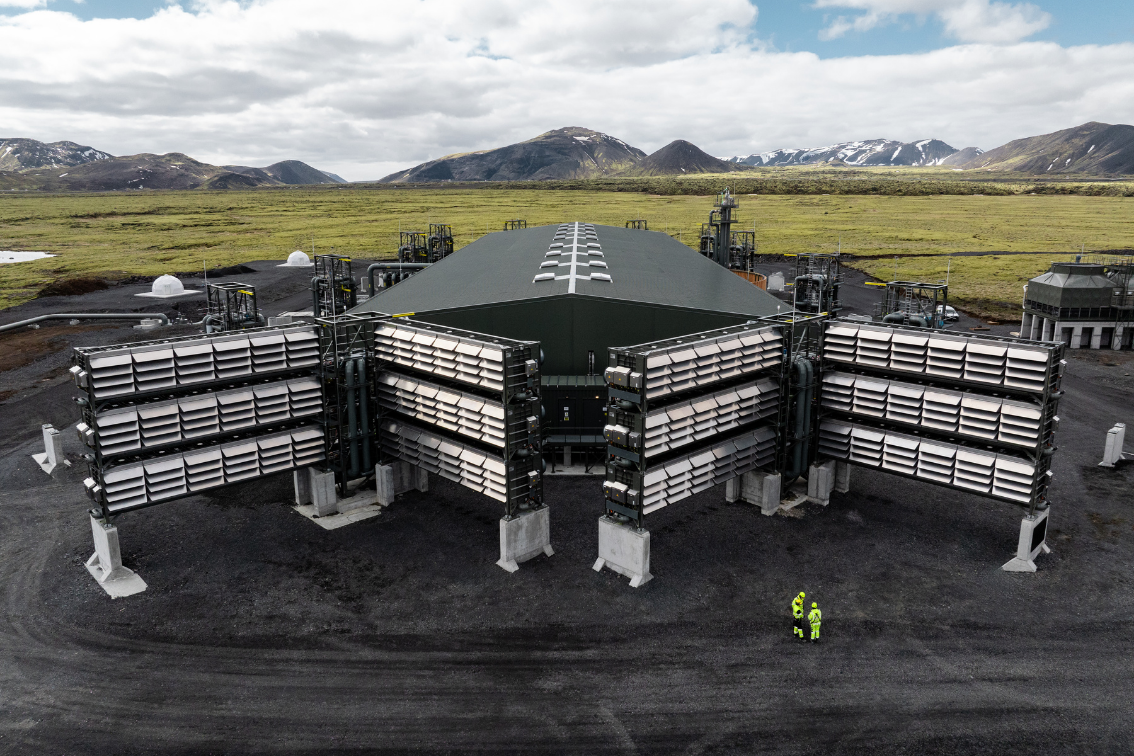
A recent study by the Swiss Federal Institute of Technology in Zurich has raised doubts about the feasibility of CO₂ storage in Switzerland. If in situ mineralization proves impossible, the solution lies in deeper reservoirs, within saline aquifers.
Already a member or subscriber? Simply enter your email address to receive instant access to the article. Enjoy!