"We no longer have any choice but to adapt to climate change"
Interview with Vincent Kaufmann, director of the Ethos Foundation.
Focus on Swiss energy and environmental initiatives and policies.

"If Switzerland is not legally bound by the EU's decisions, it is very likely that we will also move towards a similar postponement of the zero-emission target for 2035," laments Geoffrey Orlando, head of French-speaking Switzerland at Swiss eMobility.
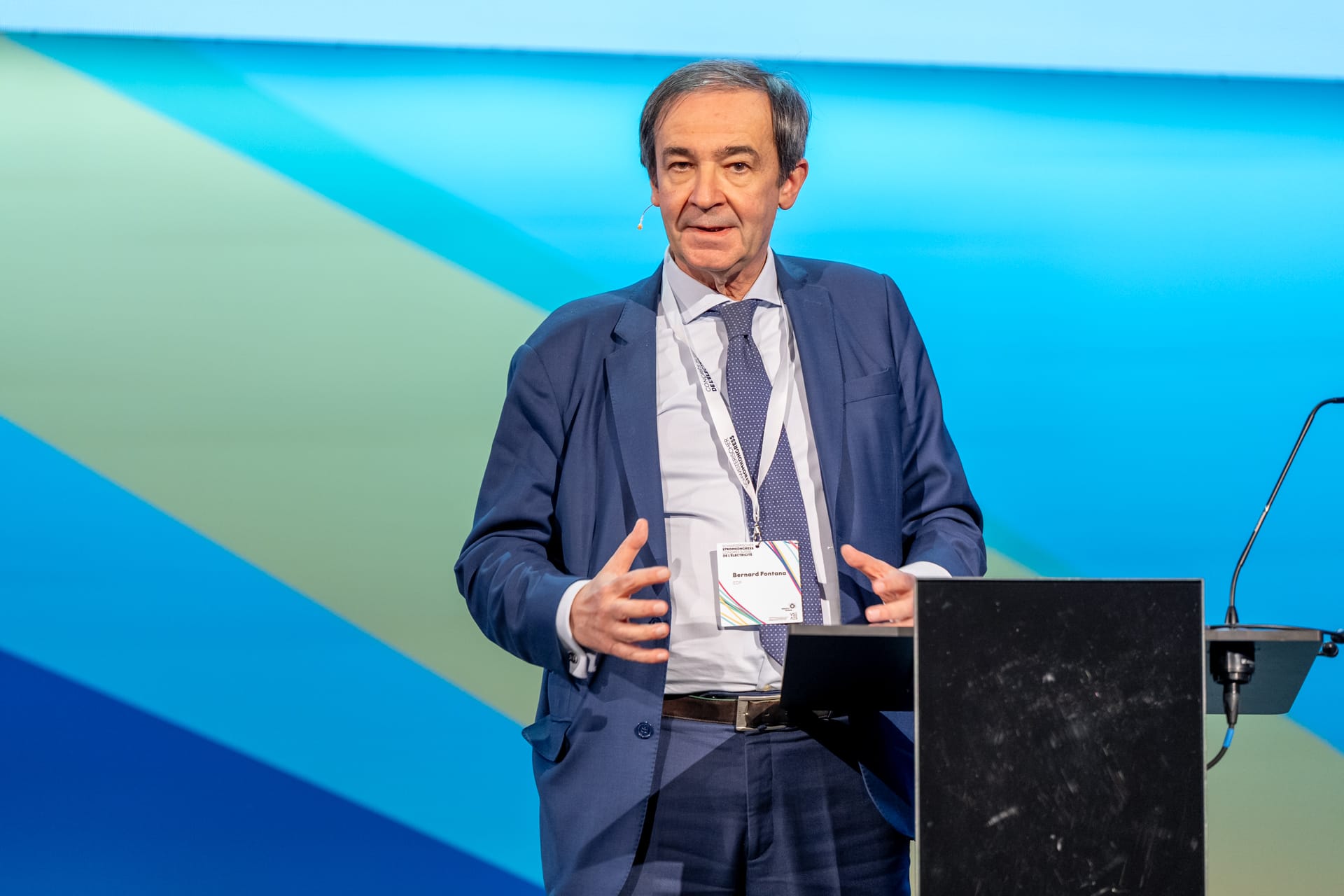
In his speech at the last Swiss Electricity Congress, Bernard Fontana said that the group he leads will be ready to meet Switzerland's needs for electricity imports, particularly during the winter period.

"In the current economic climate, we could not take on the role of driving this sector forward on our own," explains Jérémie Brillet. Head of strategic developments at Romande Energie, he nevertheless assures that the DSO remains "attentive to its evolution."

Interview with Nadine Brauchli, Nadine Brauchli, Head of Energy at the Association of Swiss Electricity Companies (AES).

"Cutting useful subsidies while showing blind confidence in immature technologies are two sides of the same inertia," warns Jean-Yves Pidoux, the former director of the SIL.

Published for the first time by the AES, this tool dedicated to the security of the electricity supply paints a potentially critical picture of the country's situation within a quarter of a century.

Co-founder and honorary director of the E4S center, Jean-Pierre Danthine deplores Switzerland's lack of ambition in climate policy and its tendency to be short-sighted about its future. Interview

"Shouldn't we, as societies, accept engaging in more honest discussions, less laden with emotions and idealism, on this question of nuclear power?" asks Daniella Gorbunova, a journalist at the Fédération des Entreprises Romandes Genève.
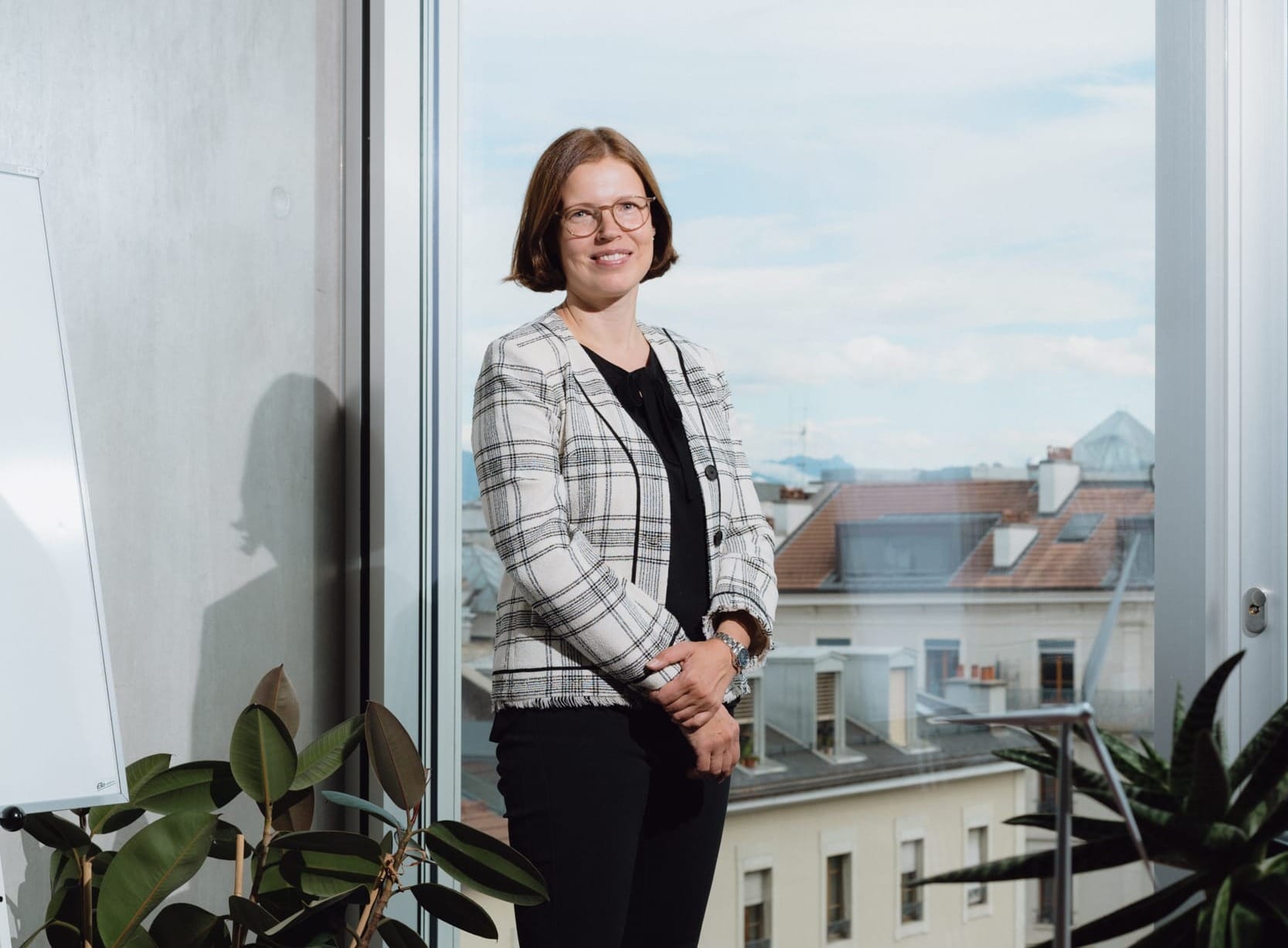
At the crossroads of science, society and public policy, the professor at the University of Geneva develops energy scenarios aimed at supporting the transition to carbon neutrality.

According to Michael Frank, director of the Association of Swiss Electricity Companies (AES), "it is crucial to keep the energy transition at the heart of public debate and, above all, to accelerate the concrete implementation of projects."

In "Une Constitution pour la transition écologique," Marcel Hänggi proposes rethinking the Constitution in depth in order to better protect both the environment and democratic institutions in the face of upcoming ecological crises.

"Beyond the widely discussed diplomatic deadlocks, COP30 revealed that the transition will no longer be played out in final communiqués, but in the ability of economies to measure, finance and deploy real transformations," explains Sarah Perreard, co-director of Earth Action.
Already a member or subscriber? Simply enter your email address to receive instant access to the article. Enjoy!