"We no longer have any choice but to adapt to climate change"
Interview with Vincent Kaufmann, director of the Ethos Foundation.
Focus on Swiss energy and environmental initiatives and policies.
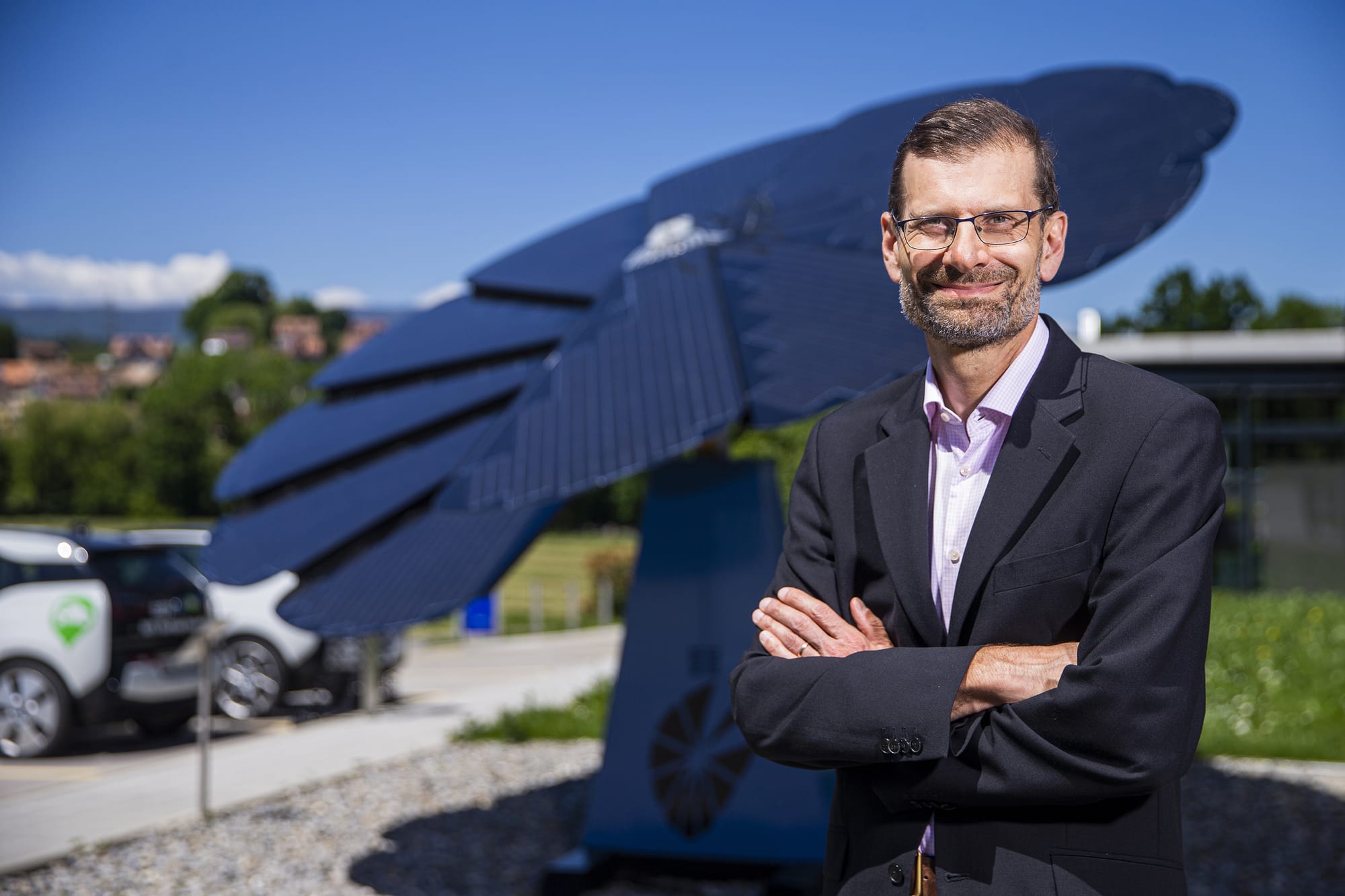
According to Laurent Balsiger, "the closer a politician is to the ground, the better able he is to grasp the problems and challenges posed by climate change." Member of the Grand Council, he was one of the actors behind the new Vaud energy law. Interview

By naming their first edition "Wind farms are taking shape", the industry's players want to show a certain optimism despite a context that remains complicated for the sector. A look by Benoist Guillard, president of the Groupe romand pour l’énergie éolienne (GREE).

While some regions of the planet are now no longer insurable, our country has a pool unique in the world dedicated to climate damage. Explanations from Martin Steinauer, responsible for claims things for La Mobilière in French-speaking Switzerland.

"Since our share of global greenhouse gas emissions is only one thousandth, our efforts would be doomed to remain insignificant. This argument expresses not a logical reasoning, but an attitude of defiance and denial," regrets René Longet, an expert in sustainable development.

"The abandonment of the green hydrogen plant project by Romande Energie above all illustrates the conjunctural difficulties facing the hydrogen sector, particularly in Switzerland, and, to a lesser extent, in Europe and the United States," explains Simon Siggen for the Nomads Foundation.

Relying on a new methodology, a recent study aims to address a shortcoming: the insufficient amount of empirical evidence allowing a systematic link to be established between ESG criteria and financial performance in real estate.

"Refusing to act today is accepting much higher costs tomorrow — whether it be climate damage, energy dependence, or a loss of prosperity," warns Pierrette Rey, spokesperson for WWF Switzerland.

"If we want to succeed in the energy transition, we must also accept financing it. That requires clear and reliable rules capable of guaranteeing sufficient incentives for investment," explains Michael Frank, director of AES.

Responding to a recent survey conducted by Comparis on Swiss real estate, Sascha Nick, a researcher at EPFL's Laboratory of Environmental and Urban Economics, says that "Switzerland is not suffering from a housing shortage."

"Launched for reasons that are more electoral than ecological, the call for a climate fund that would absorb between 5 and 10 billion francs each year appears unnecessary, absurd, costly, centralizing and poorly conceived," says Pierre-Gabriel Bieri, policy manager at the Centre Patronal.
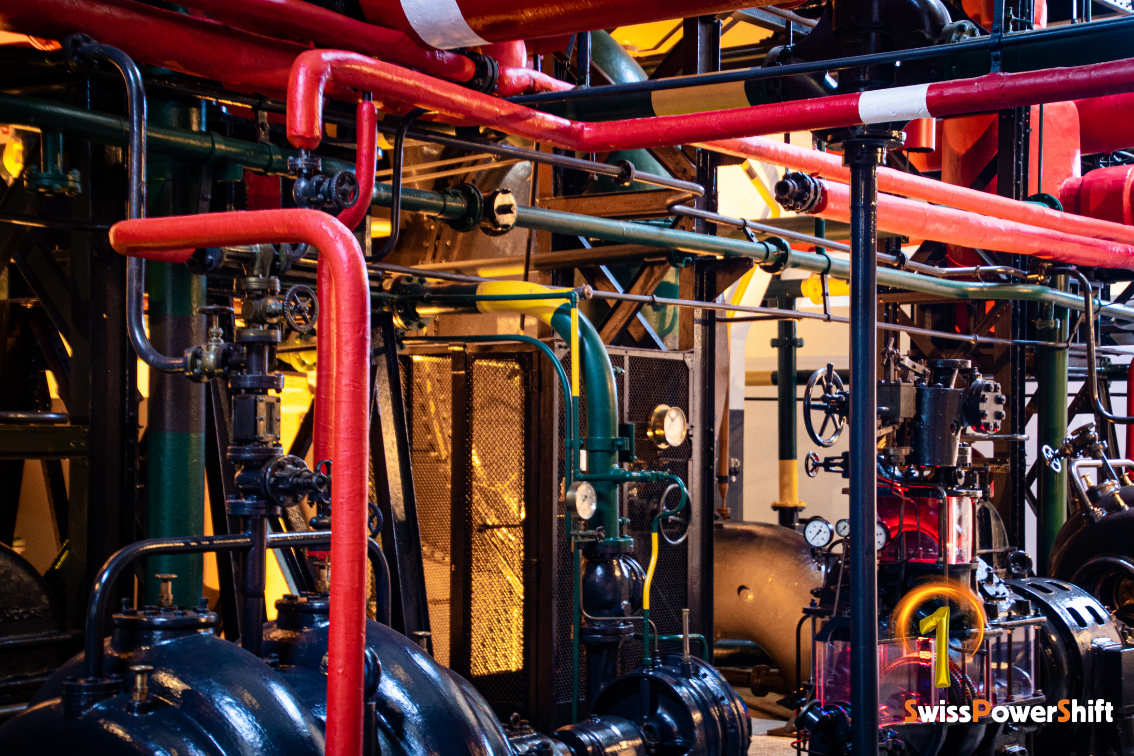
With its OPERA project, CSEM sought to improve the energy management of multi-family residential buildings by coordinating three elements: photovoltaic production, the heat pump, and the heat distribution system (radiator valves or underfloor heating).

"Despite some observable slowdowns, the transformation of our energy systems will not stop, but will have to face many new challenges," explains Nicolas Charton, managing director at E-CUBE Strategy Consultants.
Already a member or subscriber? Simply enter your email address to receive instant access to the article. Enjoy!