"We no longer have any choice but to adapt to climate change"
Interview with Vincent Kaufmann, director of the Ethos Foundation.
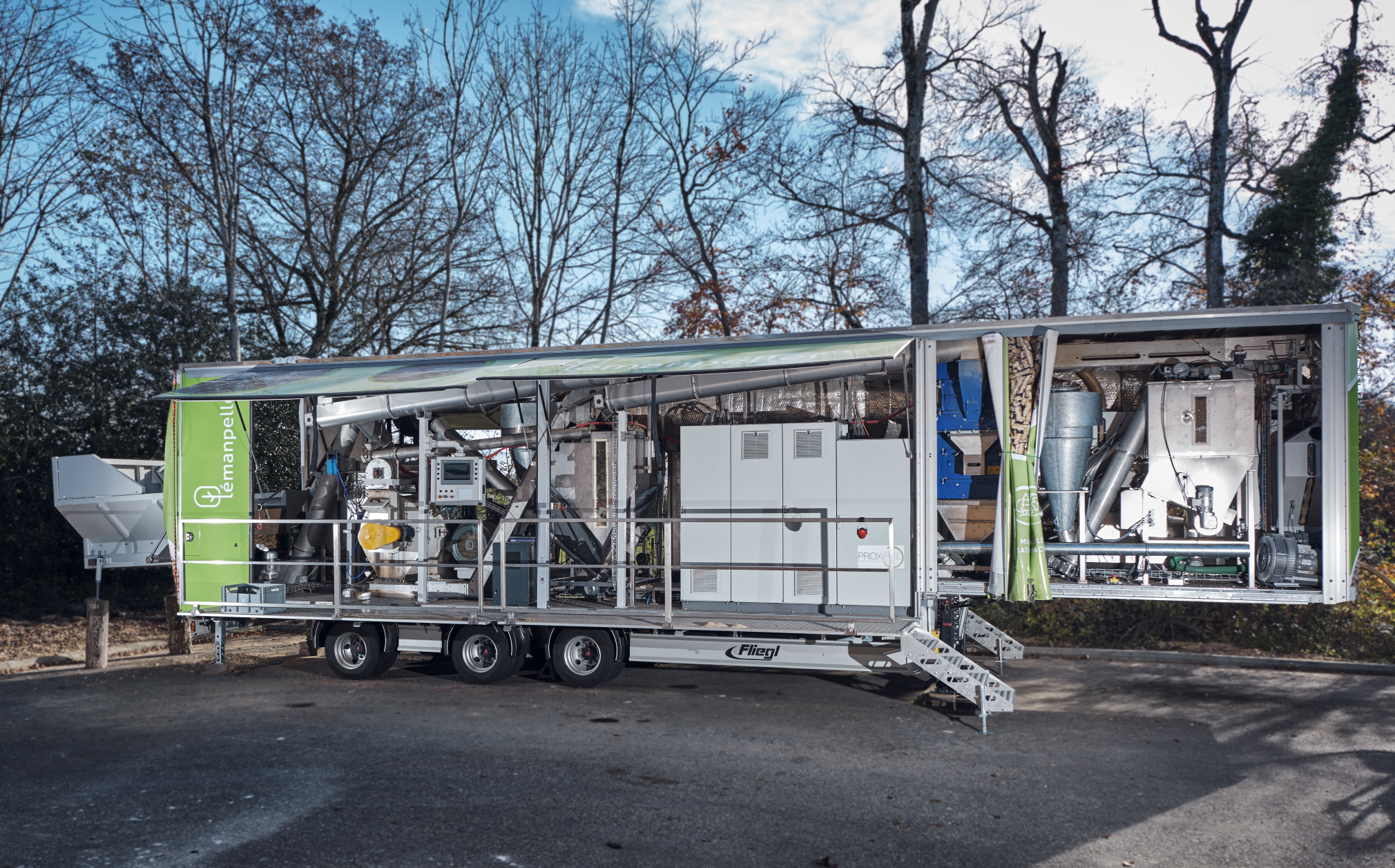
After more than ten years devoted to the design and industrialization of its technology, the company is now entering a new phase: the commercialization of its very first factories installed on a truck.
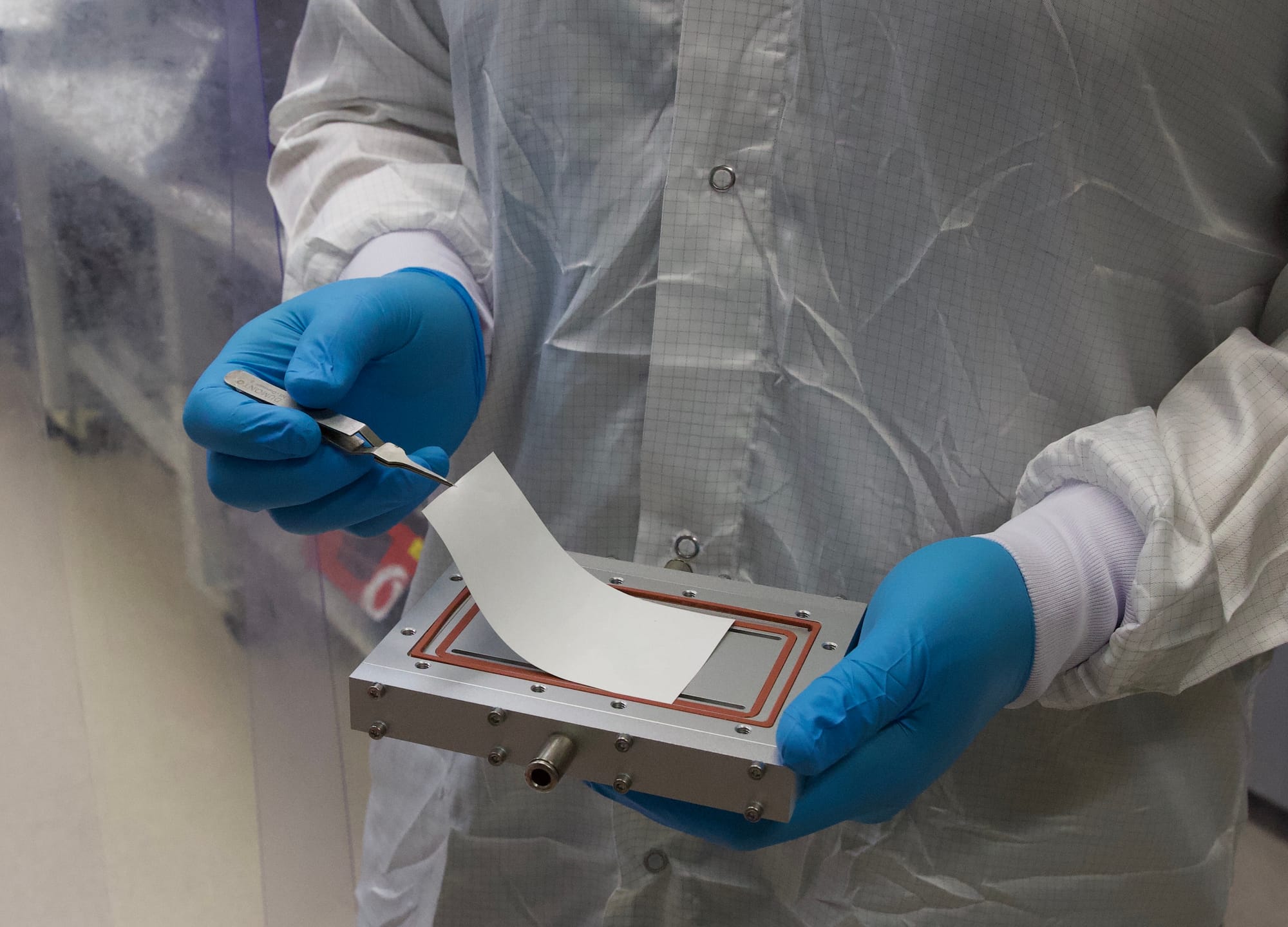
Based near the Energypolis campus in Sion, the start-up is developing there a particular kind of capture technology: a graphene membrane perforated with holes at the molecular scale.

"A look at the numbers illustrates the scale of the transformation, and these are not passing fads but indicators of a structural investment cycle," says Christian Rom, manager of the DNB Renewable Energy fund.

"It is neither fair nor constructive to pit technologies against each other in a supposed race for funding: it's a false debate," says Eric Plan, secretary-general of the CleantechAlps association.
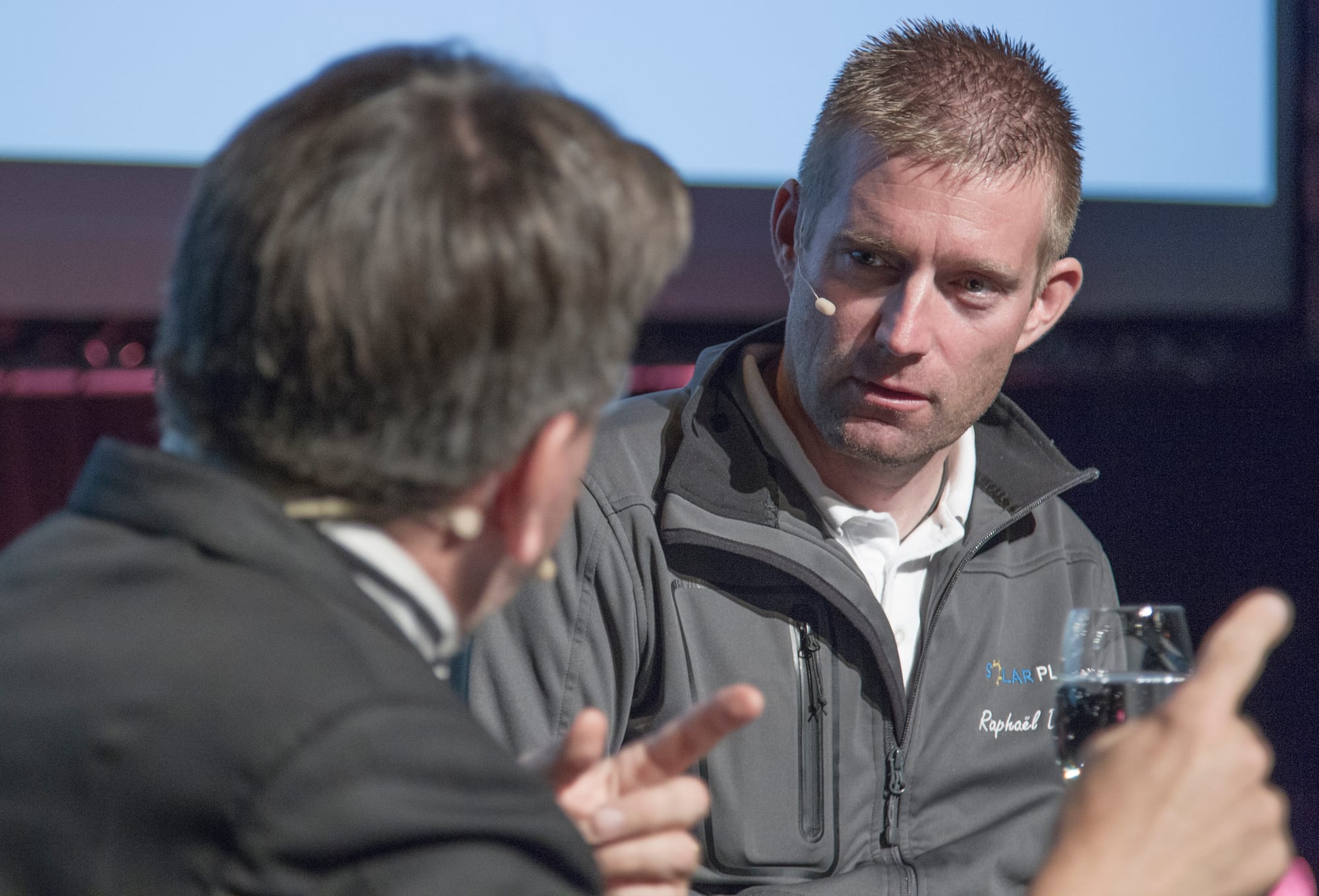
Altitude record with SolarStratos, tour of Lake Titicaca aboard PlanetSolar II: in 2025, Raphaël Domjan once again pushed the boundaries of solar energy. Interview
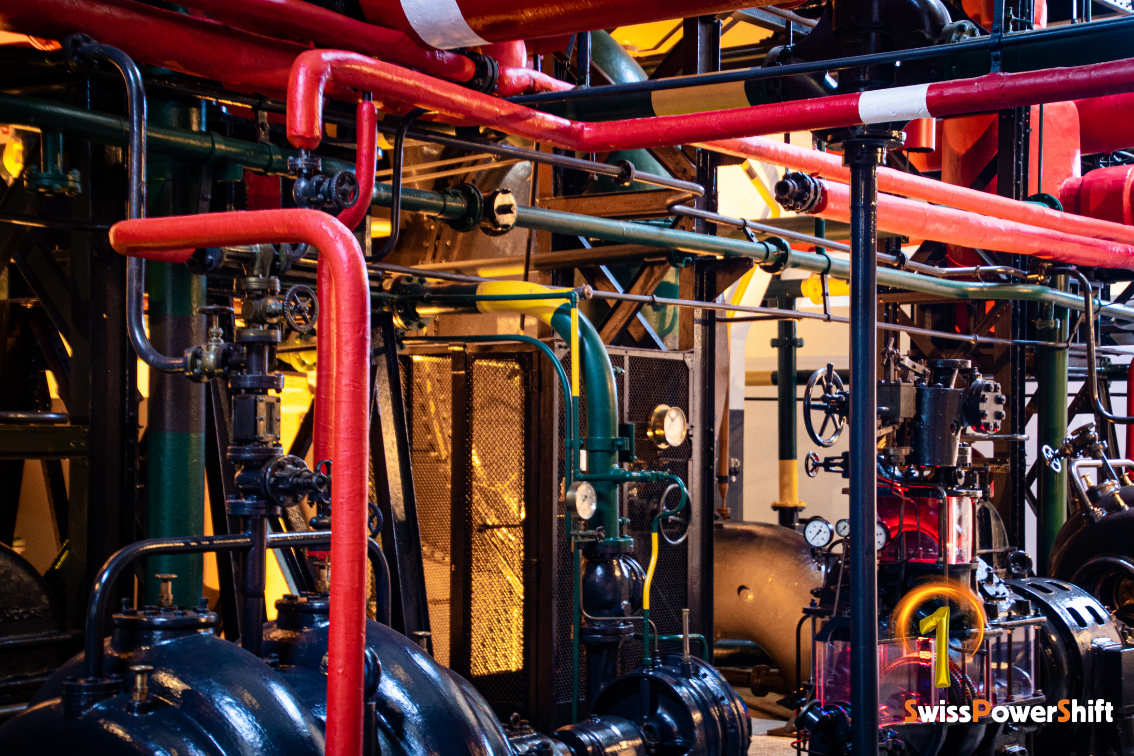
With its OPERA project, CSEM sought to improve the energy management of multi-family residential buildings by coordinating three elements: photovoltaic production, the heat pump, and the heat distribution system (radiator valves or underfloor heating).

Drilling deeper and hotter: that is, according to Quaise Energy and its CEO Carlos Araque, the key to the future of deep geothermal energy. From the United States to Europe via Switzerland, geothermal initiatives are multiplying, driven by new technological advances.

"In the field of transport and energy, what opportunities do data really offer and what are their limits?" asks Matthias Finger, co-founder of Swiss Economics and professor emeritus at EPFL.

In response to Jean-Baptiste Fressoz's recent interview, sustainable development expert René Longet offers another reading of the French historian's theses, defending the idea of a "voluntarist discrimination" between the different forms of energy.
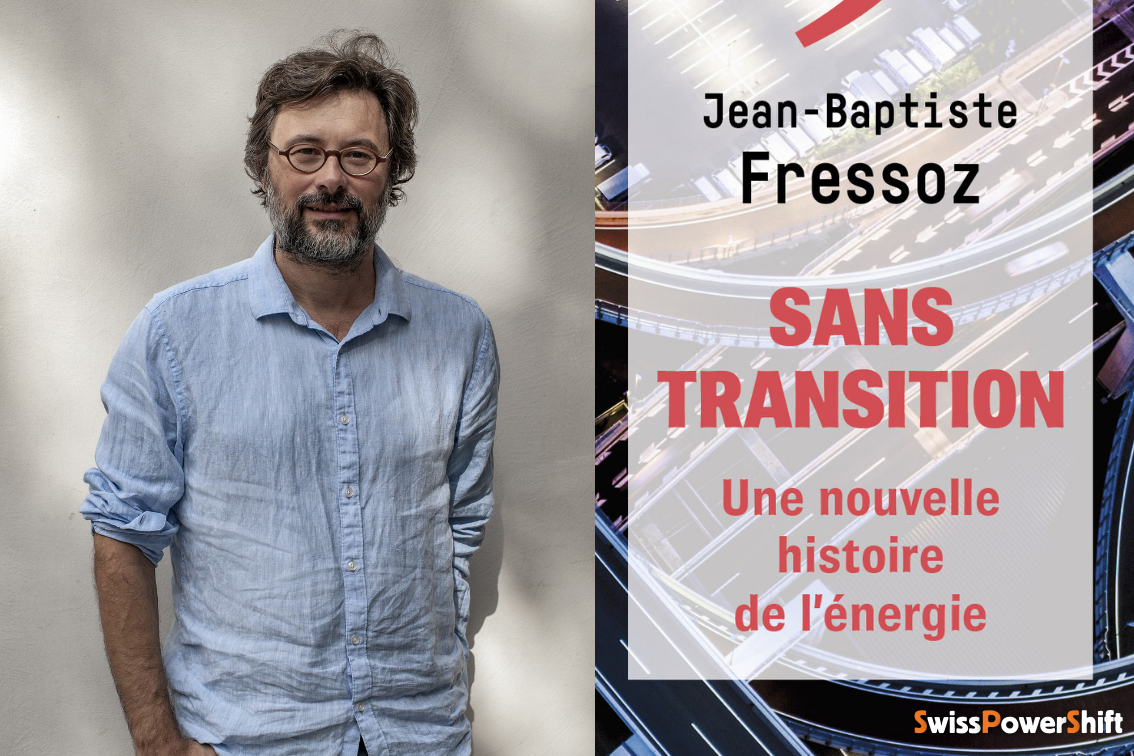
"In practice, the idea of transition has helped legitimize collective procrastination in the face of the climate crisis," says Jean-Baptiste Fressoz, historian of science, technology and the environment.

"The fragmentation of the global landscape makes collective action on sustainability issues more difficult and widens a political divide in the field of science," explains Jon Duncan, Chief Impact Officer, REYL Intesa Sanpaolo.
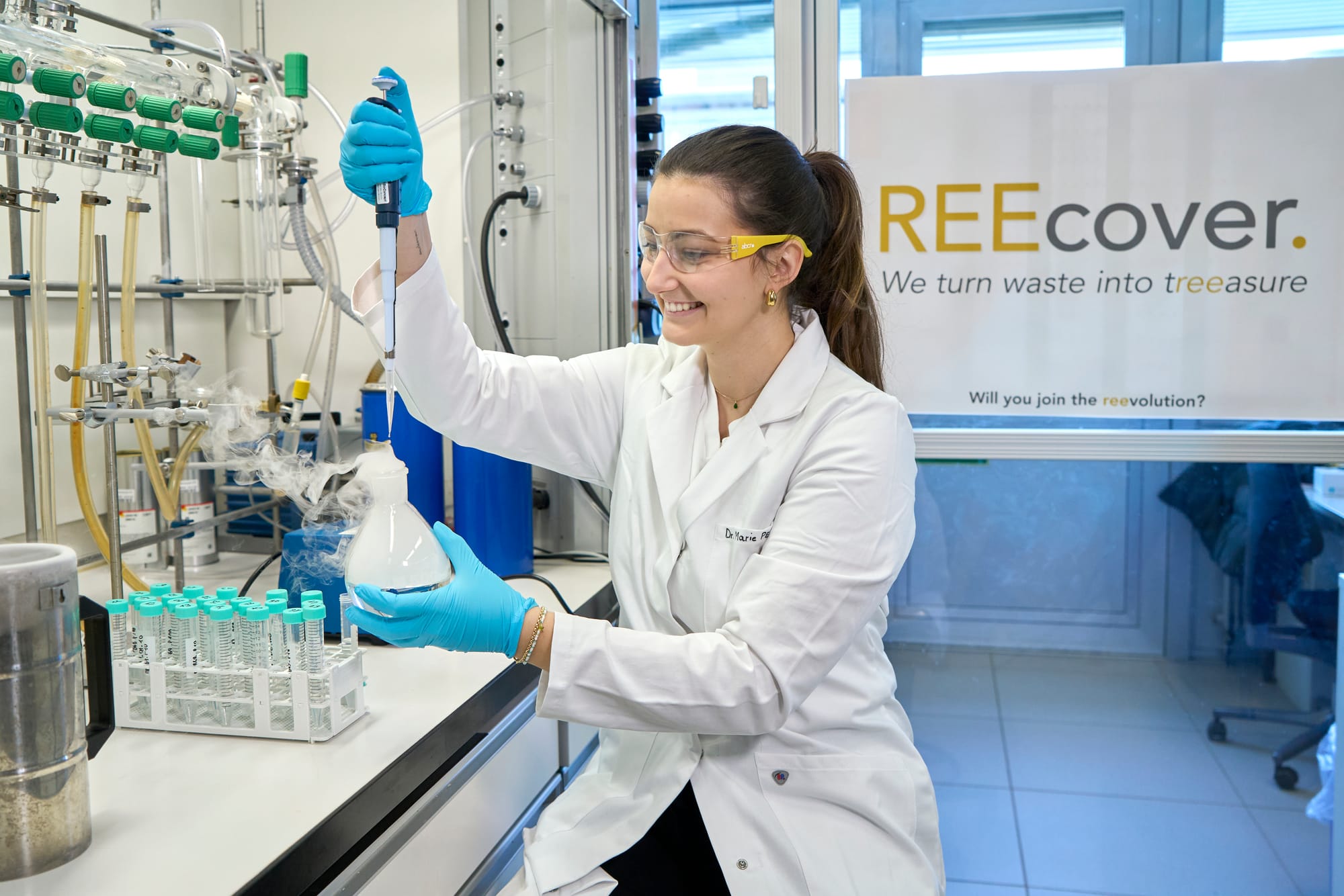
A 28-year-old French-American, the EPFZ researcher has been rewarded for her method that allows europium — a critical metal used in fluorescent lamps and screens — to be recovered in a cleaner, simpler and more sustainable way. Profile.
Already a member or subscriber? Simply enter your email address to receive instant access to the article. Enjoy!