"We no longer have any choice but to adapt to climate change"
Interview with Vincent Kaufmann, director of the Ethos Foundation.

"Since time immemorial, myths and legends have served to interpret the world, offering an interpretation that allows an intelligible and meaningful model to be set against the anxiety of the unknown," explains Colin Pahlisch, artistic director of the Écotopiales festival.

Interview with David Delarive, CEO of Delarive Group.

To the manifest detriment of their green transition, the giants of the sector have set off again in search of new wells of gold… still as black as ever.

Interview with Rémy Oudghiri, French sociologist and author of the book "Microvoyage : Le paradis à deux pas" (PUF editions).

"By 2030, if nothing changes, global water demand will exceed supply by 40%. And yet, despite the urgency, this resource still remains absent from major political stages," lament Pierre Santarelli and Virginie Captier, directors of the firm Colombus Consulting.
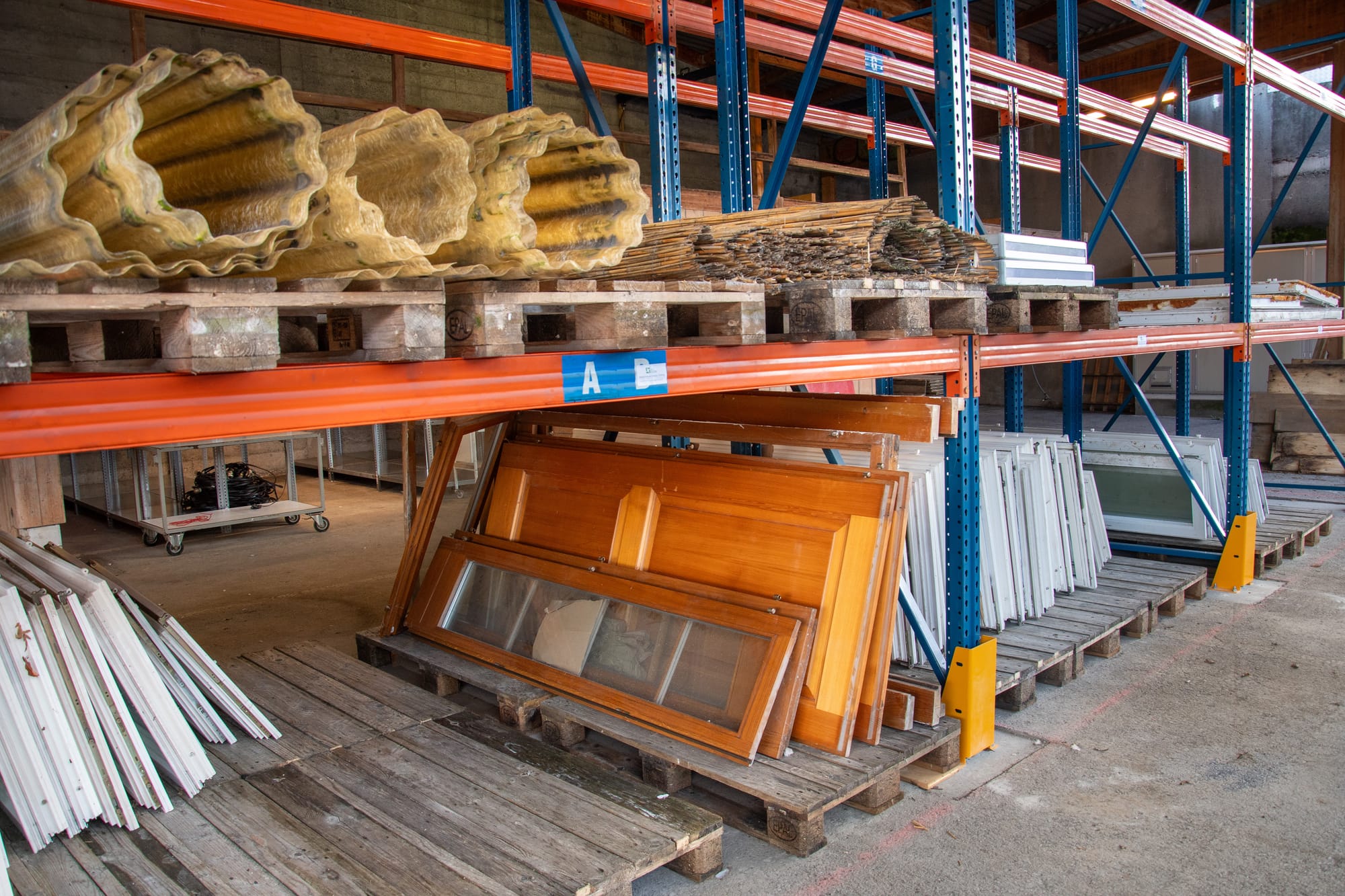
With the recent opening of the Ressourcerie Matériuum Lausanne, French-speaking Switzerland strengthens a key link in the reuse chain: that of storage, repurposing and awareness-raising around construction materials.

After reading Kim Stanley Robinson's speculative novel, Adèle Thorens Goumaz is convinced: "We don't just need technological solutions, but also new narratives, new imaginaries that motivate us to make responsible decisions."

The disparity in environmental impacts between different countries is now widely recognized. However, it is still difficult to determine specific responsibility for it, an equation that a study published in the journal "Nature" attempted to solve.
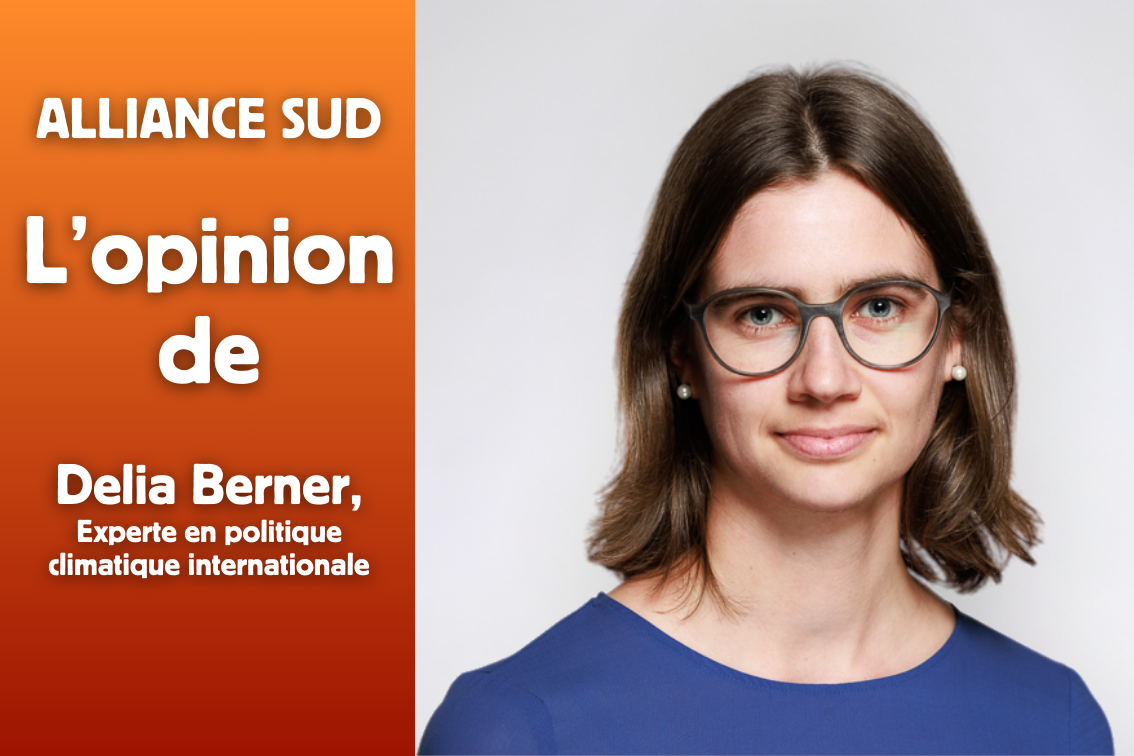
"After COP29, the poorest countries of the South left stunned by the North's refusal to practice a form of climate justice. In Switzerland, the debate over its implementation is only just beginning," says Delia Berner, expert in international climate policy at Alliance Sud.
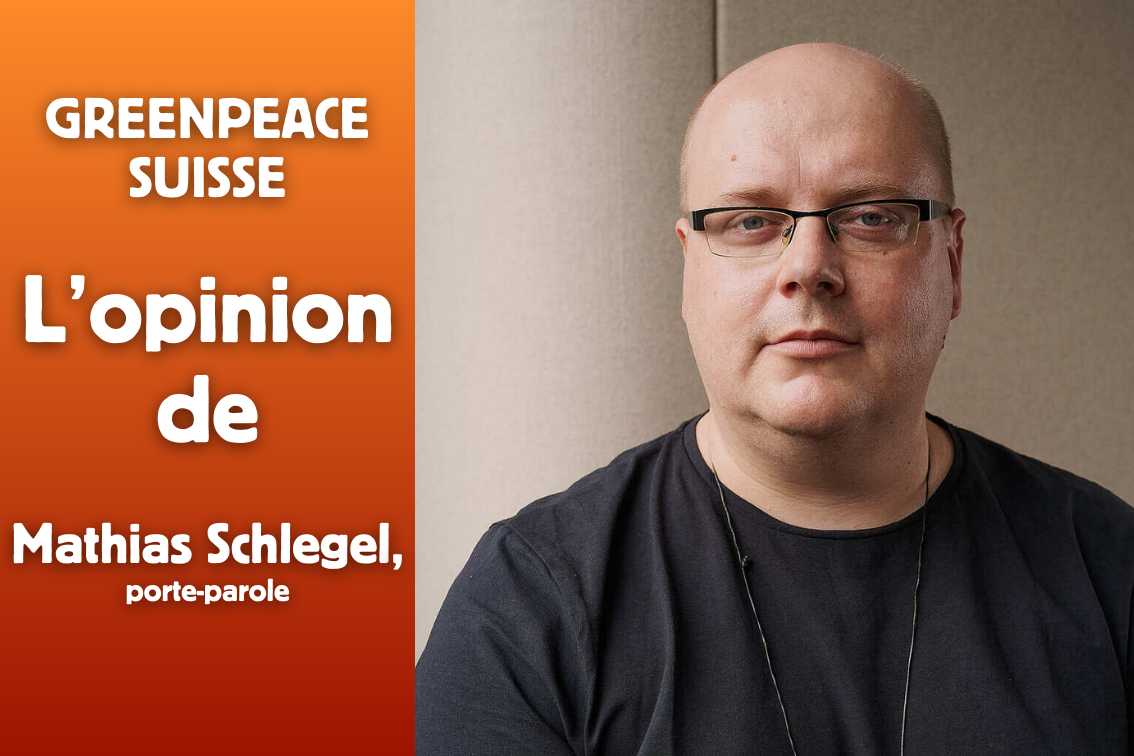
As part of COP29, "More than a hundred organizations are calling for the implementation of a tax on the extraction of fossil fuels," explains Mathias Schlegel, spokesperson for Greenpeace Switzerland.
Scandals and new rules will shake up the voluntary carbon offset market for companies.

In the face of increasingly virulent criticism in the United States, environmental standards are under intense pressure.
Already a member or subscriber? Simply enter your email address to receive instant access to the article. Enjoy!