"We no longer have any choice but to adapt to climate change"
Interview with Vincent Kaufmann, director of the Ethos Foundation.

Since January 1, 2026, Switzerland is once again officially participating in the ITER project. We discuss this reintegration with Yves Martin, deputy director of the Swiss Plasma Center. Interview.

Inspired by the Spanish example, a recent study by HES-SO Valais has sought to assess the impact of new nuclear capacities in an electricity market with a high share of renewables.

"Despite the development of renewable energies, our country does not produce more electricity in winter than it did ten years ago. It's a wake-up call to be taken seriously," says Lukas Federer, head of the Energy, Environment, Infrastructure and Digitization department at Economiesuisse.

"Shouldn't we, as societies, accept engaging in more honest discussions, less laden with emotions and idealism, on this question of nuclear power?" asks Daniella Gorbunova, a journalist at the Fédération des Entreprises Romandes Genève.

At the end of November, an expert report commissioned by the Energy Foundation claimed that the Gösgen nuclear power plant had been affected by a safety flaw since it began operating in 1979. We discuss the issue with Andreas Pautz and Mathieu Hursin, two specialists working at EPFL's LRS.
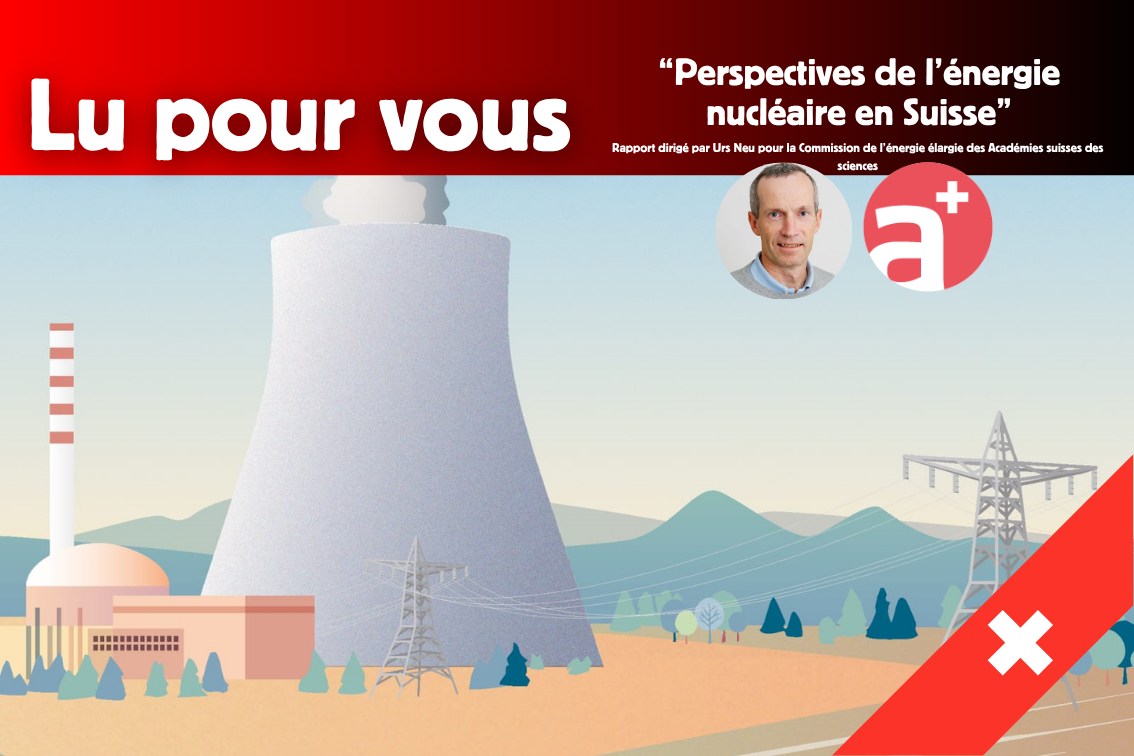
In its latest report, the Energy Commission of the Swiss Academies of Sciences wished to "provide policymakers and industrial decision-makers as well as the general public with well-founded information, to allow a debate that is as rational as possible" on the future of nuclear power in Switzerland.
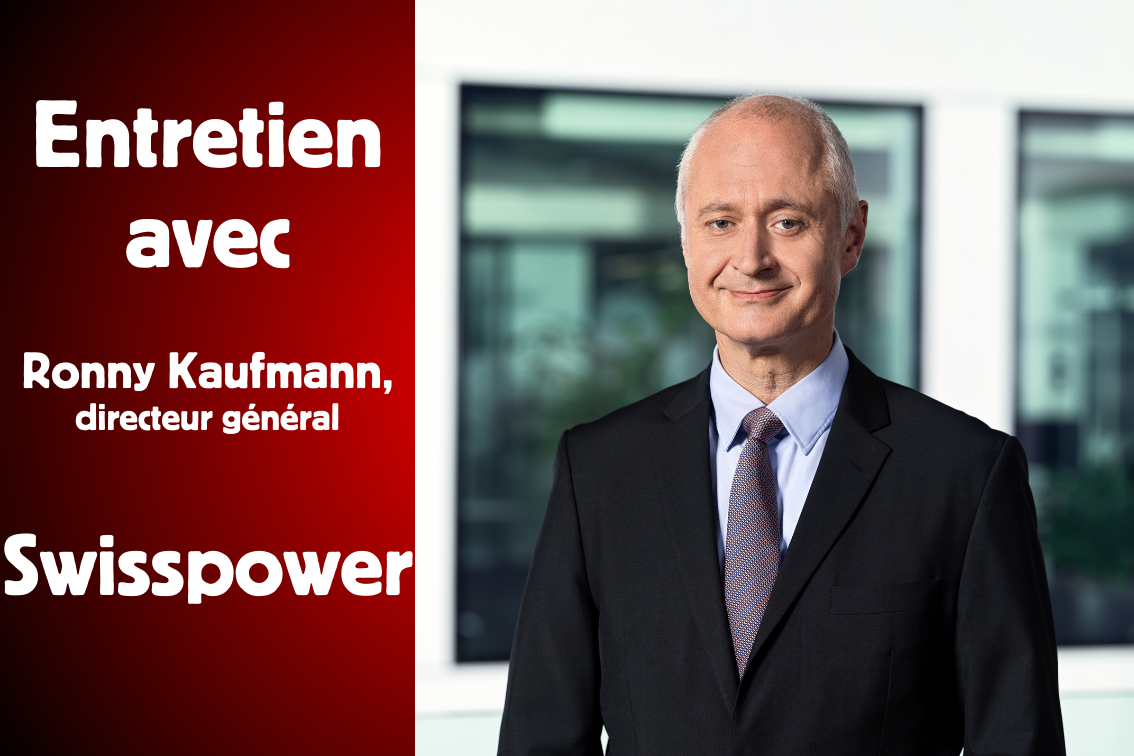
Interview with Ronny Kaufmann, general manager of Swisspower, a strategic alliance representing 19 municipal utilities and regional supply companies in Switzerland.
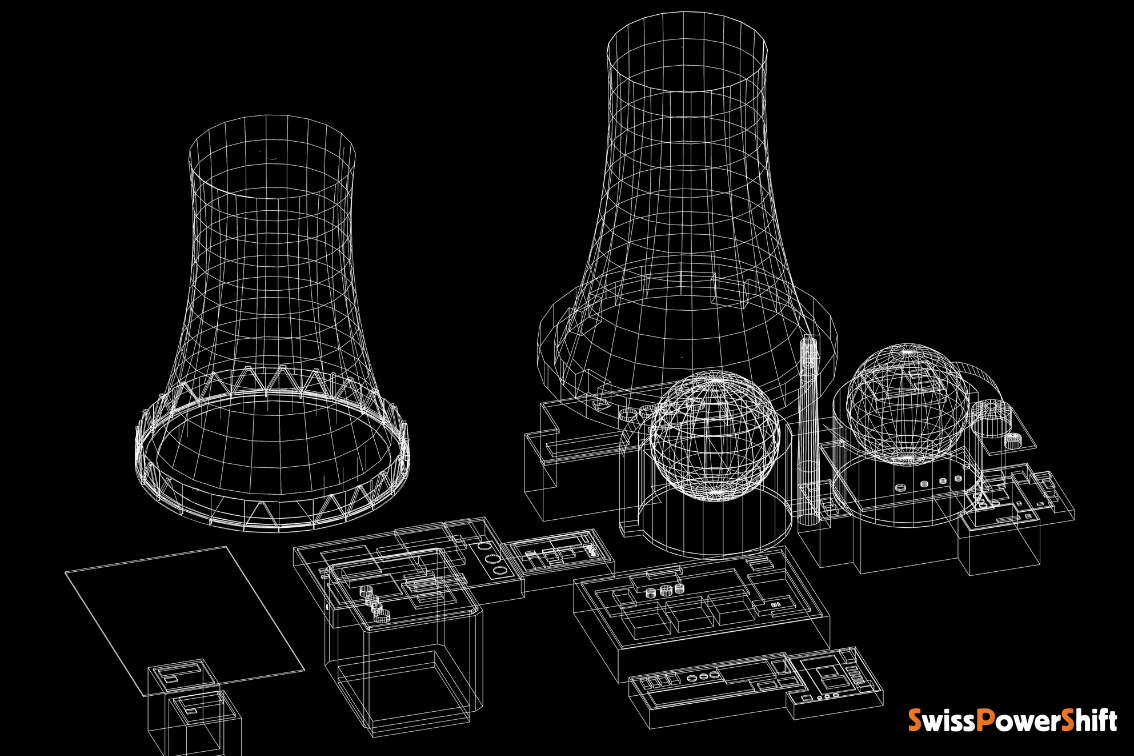
Two opposing models are facing off. On the one hand, high-power reactors such as EPRs, which rely on the centralization of production with high-power units; on the other hand, modern, small reactors with an electrical capacity ranging between 10 MW and 300 MW.
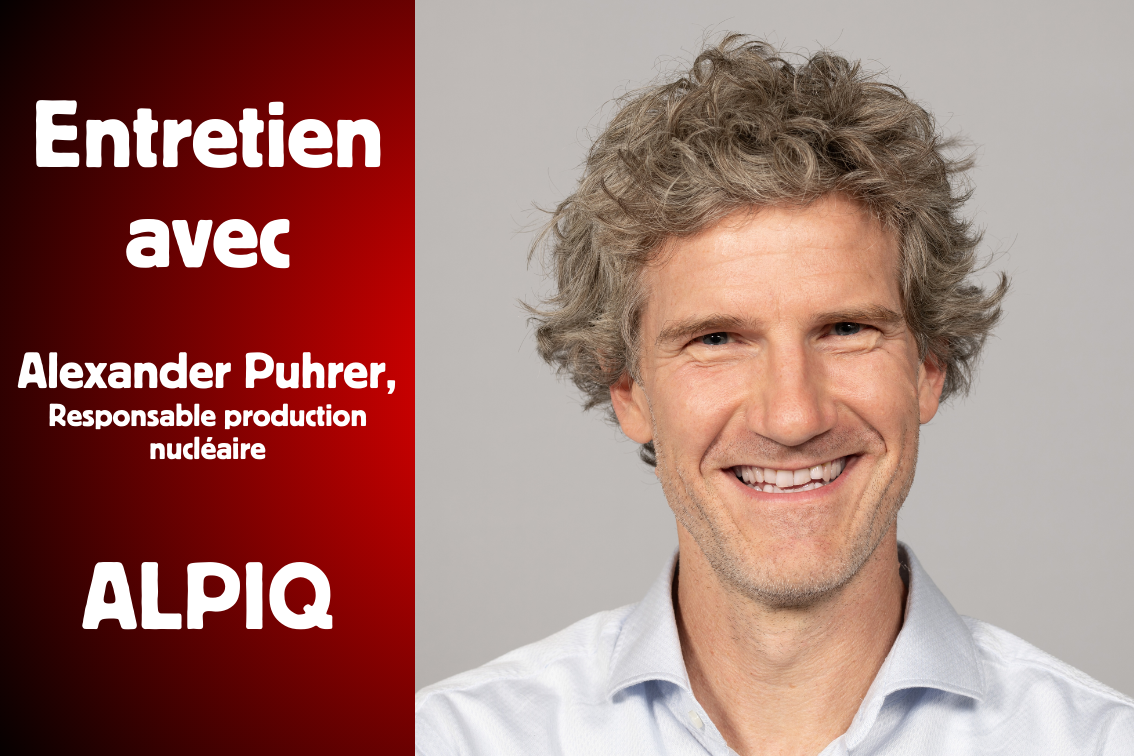
Interview with Alexander Puhrer, head of nuclear production at Alpiq.

"Nuclear power is a subject that divides, imbued with emotions and political debate. In the face of the challenges of the energy transition and our growing electricity needs, can we afford to exclude this technology permanently?" asks Michael Frank, director of AES.
<p>Interview with Laurent Ducrest, Head of Thermal Production and Environment at Groupe E.</p>
Interview with Stefan Klute, head of nuclear at BKW.
Already a member or subscriber? Simply enter your email address to receive instant access to the article. Enjoy!