"We no longer have any choice but to adapt to climate change"
Interview with Vincent Kaufmann, director of the Ethos Foundation.

"Conflicts have placed energy markets back at the center of attention, with a renewed interest in fossil fuels. In the long term, however, the winners may well be elsewhere," warns Benedict Fatio, head of the francophone market at DNB Asset Management.

"Flexibility solutions are now essential. However, they face a structural difficulty: their costs are decreasing faster than market rules evolve," explains Xavier Blot, associate professor at emlyon business school.

By naming their first edition "Wind farms are taking shape", the industry's players want to show a certain optimism despite a context that remains complicated for the sector. A look by Benoist Guillard, president of the Groupe romand pour l’énergie éolienne (GREE).

"Despite expectations, substantive discussions could not begin for lack of operational arrangements for the panel. Moreover, in the absence of a dedicated international body, the regulation of pollutants remains fragmented," worries Henri Klunge, chemical engineer and founder of Alcane Conseils.

"Since our share of global greenhouse gas emissions is only one thousandth, our efforts would be doomed to remain insignificant. This argument expresses not a logical reasoning, but an attitude of defiance and denial," regrets René Longet, an expert in sustainable development.

Citing Nicholas Stern and his report on the economics of climate change, Dominique Bidou, the author of "Recivilisation", reminds that "action against global warming makes it possible to avoid expenditures at least five times greater than the initial cost."

"Refusing to act today is accepting much higher costs tomorrow — whether it be climate damage, energy dependence, or a loss of prosperity," warns Pierrette Rey, spokesperson for WWF Switzerland.

"For SMEs and micro-enterprises, which make up a large majority of the Swiss economic fabric, the transition is no longer a mere environmental option, but a strategic necessity to ensure our prosperity," says Christophe Barman, national co-president of the FSE.

"Launched for reasons that are more electoral than ecological, the call for a climate fund that would absorb between 5 and 10 billion francs each year appears unnecessary, absurd, costly, centralizing and poorly conceived," says Pierre-Gabriel Bieri, policy manager at the Centre Patronal.
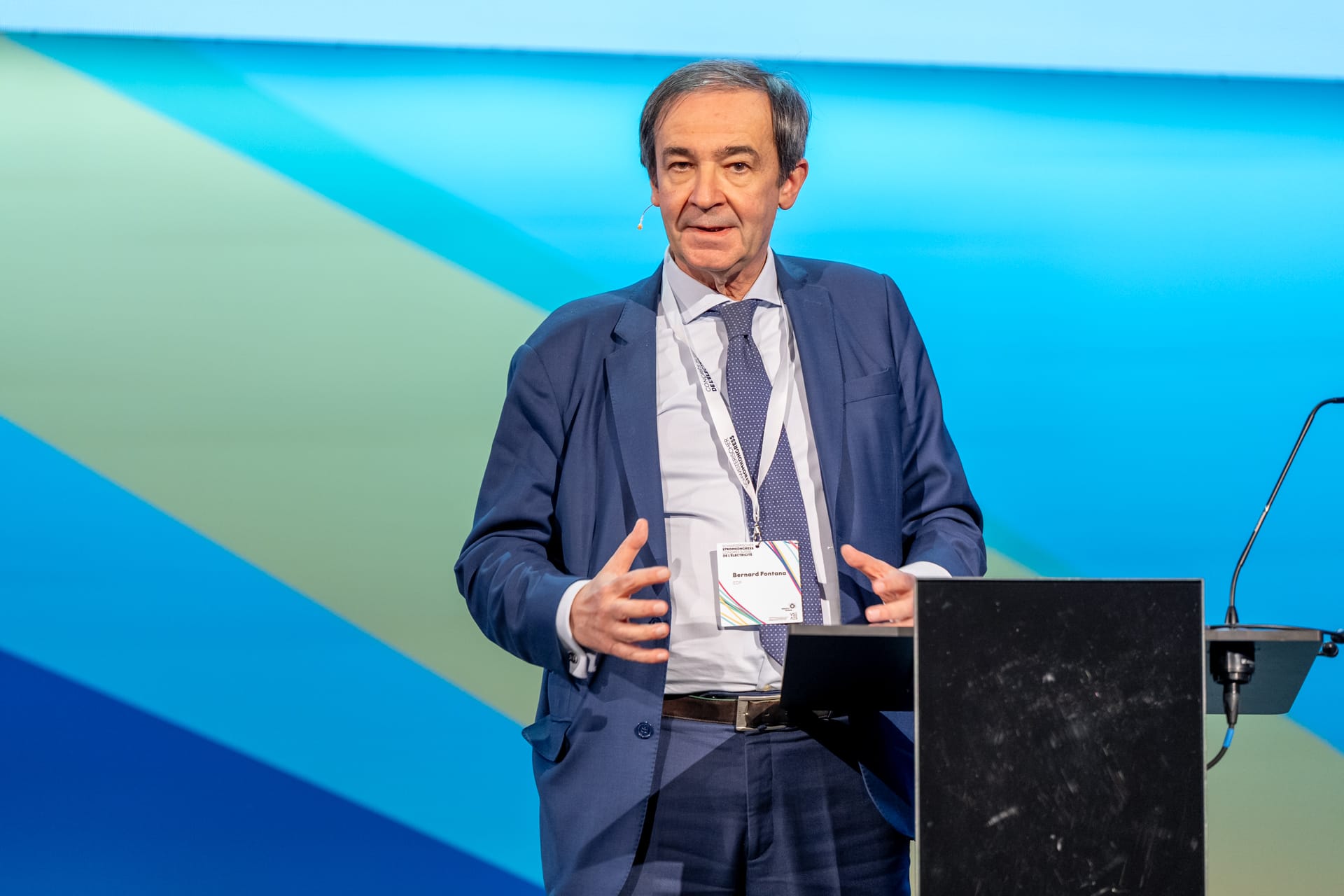
In his speech at the last Swiss Electricity Congress, Bernard Fontana said that the group he leads will be ready to meet Switzerland's needs for electricity imports, particularly during the winter period.

Interview with Nadine Brauchli, Nadine Brauchli, Head of Energy at the Association of Swiss Electricity Companies (AES).

Published for the first time by the AES, this tool dedicated to the security of the electricity supply paints a potentially critical picture of the country's situation within a quarter of a century.
Already a member or subscriber? Simply enter your email address to receive instant access to the article. Enjoy!