"We no longer have any choice but to adapt to climate change"
Interview with Vincent Kaufmann, director of the Ethos Foundation.

Interview with Vincent Kaufmann, director of the Ethos Foundation.

"How far is it fair to make tenants bear the burden of the incentives granted to owners to produce their electricity and thereby make savings, or even profits?" wonders Christian Rod, an energy transition expert and founder of the company CREST.

For half a century, the Energy Foundation has been striving to promote a better understanding of energy issues, which are often complex but affect the entire population, and to foster democratic debate.

"The entry barrier to electrification is high, but, once that obstacle is overcome, substantial savings are possible," recalls Dominique Bidou, the author of "Recivilisation".

"Instead of converging, the ecological, economic and social dimensions have each remained in its respective silo," laments René Longet. The author of "Planète Etat d'urgence : Les réponses de la durabilité" calls for urgently activating this social dimension of sustainability.
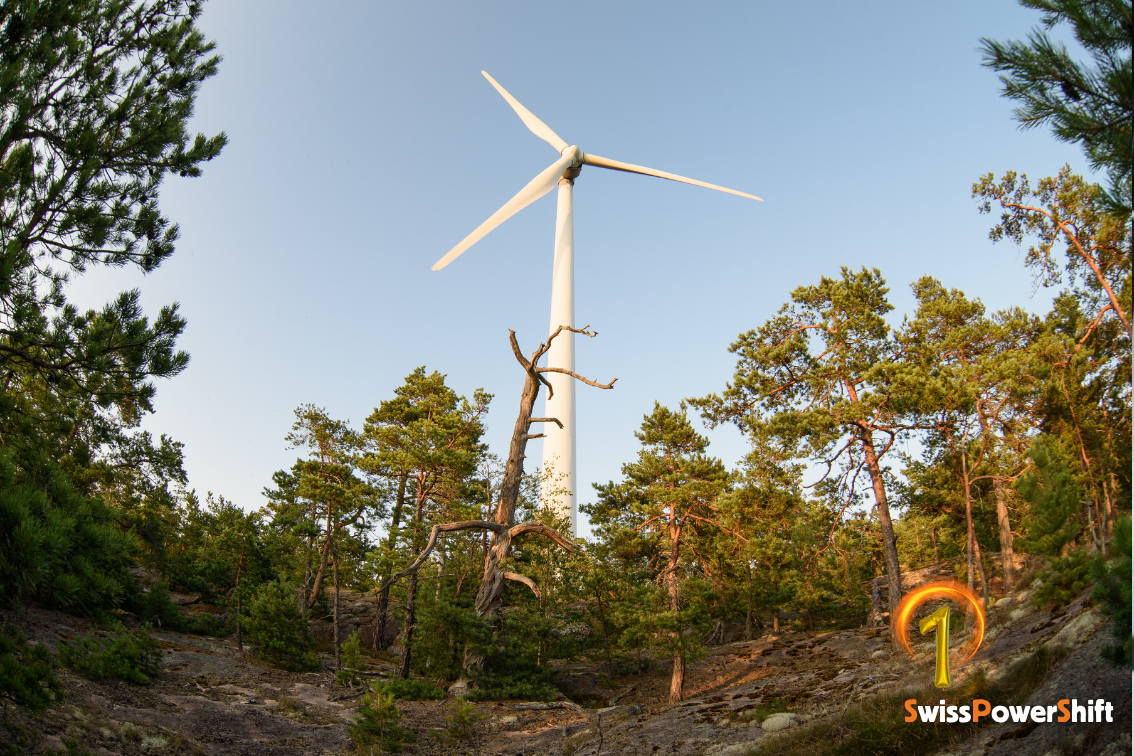
An Environmental Alliance (WWF, Greenpeace, Birdlife, etc) rejects the two proposals put forward by Paysage Libre. Paysage Libre describes this as a “political maneuver” linked to the current debates on nuclear energy.

"Climate risks must imperatively be taken into account in the development of future adaptation policies, so that we can all be duly protected," says Adèle Thorens Goumaz.

"The transformation of the system is not an obstacle, but an opportunity provided that it gives electricity suppliers the freedom to assert themselves in the face of competition without being smothered by unnecessary regulations," reminds Jan Flückiger, public affairs manager at AES.

"By creating a more flexible space for dialogue, bringing together from the outset local authorities, indigenous peoples and economic actors, the conference sketches a model complementary to traditional UN negotiations," says Pierrette Rey, spokesperson for WWF Switzerland.

Interview with Mohamed Meghari, head of the Energy Efficiency Division at the Directorate of Energy of the Canton of Vaud.
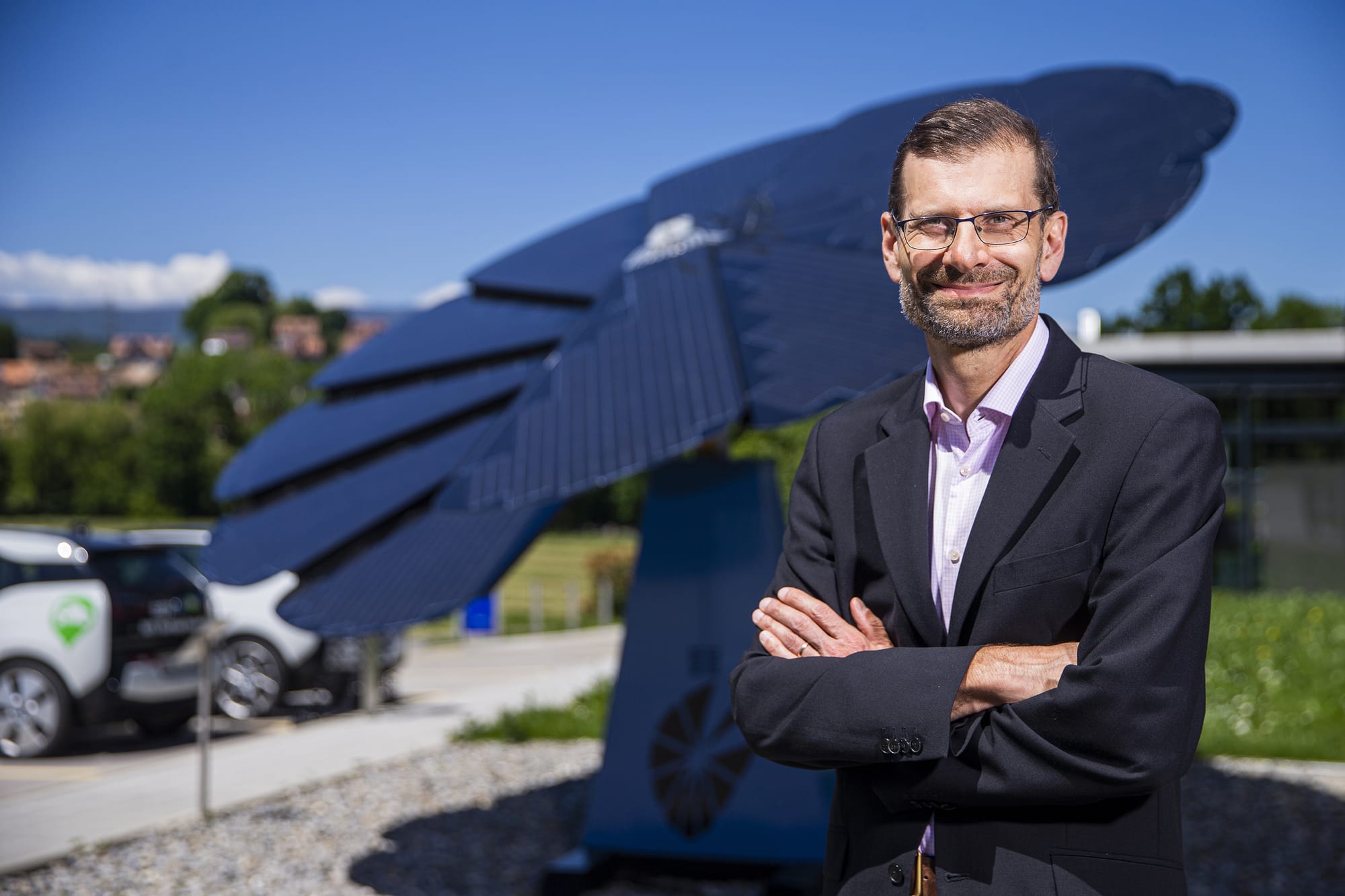
According to Laurent Balsiger, "the closer a politician is to the ground, the better able he is to grasp the problems and challenges posed by climate change." Member of the Grand Council, he was one of the actors behind the new Vaud energy law. Interview

"To act effectively, companies need visibility. However, historical data are no longer sufficient to anticipate future crises, pushing companies to rely on new, more forward-looking scientific approaches," explains Julien Boucher, co-founder of Earth Action.
Already a member or subscriber? Simply enter your email address to receive instant access to the article. Enjoy!